 0
0
 0
0
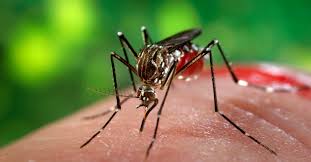
Curitiba, Brazil — In a quiet industrial district of Curitiba, a revolutionary counter-offensive against one of humanity’s oldest enemies is humming to life. While the world has spent decades trying to wipe out the Aedes aegypti mosquito, Brazil has decided to breed them—by the millions.
Following the July 2025 launch of “Wolbito do Brasil,” the world’s largest mosquito biofactory, health officials are scaling up a bold biological intervention: releasing mosquitoes infected with Wolbachia, a bacterium that renders them incapable of transmitting Dengue, Zika, and Chikungunya.
The facility, a joint venture between the World Mosquito Program (WMP), the Oswaldo Cruz Foundation (Fiocruz), and the Institute of Molecular Biology of Paraná, represents a paradigm shift in public health. With a production capacity of 100 million mosquito eggs per week, the initiative aims to protect an estimated 140 million Brazilians over the next decade.
“We are shifting from a strategy of suppression to one of replacement,” says Luciano Moreira, CEO of Wolbito do Brasil and a lead researcher at Fiocruz. “By releasing these ‘good mosquitoes,’ we are effectively immunizing the local insect population against the viruses that devastate our communities.”
The Science of “Wolbito”
The premise relies on a biological quirk. Wolbachia is a bacterium naturally found in about 50% of insect species—including fruit flies and butterflies—but not in Aedes aegypti, the primary vector for dengue.
When scientists introduce Wolbachia into Aedes aegypti eggs, the bacteria compete with viruses like Dengue and Zika for resources within the mosquito’s body. The viruses lose, failing to replicate enough to be transmitted to humans. Crucially, Wolbachia is maternally inherited. When a female “Wolbito” mosquito mates with a wild male, her offspring carry the bacteria. Over time, the virus-blocking trait sweeps through the local mosquito population, creating a self-sustaining barrier against disease.
“It’s not often you come across a proposal to release mosquitoes when our entire history of disease prevention was to fight against them,” admits Ana Eppinghaus, a health surveillance coordinator in Niterói, one of the pilot cities. “But the data left us no choice but to accept the challenge.”
A Crisis Point
The timing of this scale-up is critical. Brazil is currently reeling from consecutive record-breaking dengue seasons. In 2024 alone, the Ministry of Health reported over 6 million probable cases and nearly 6,300 deaths—the highest burden in the country’s history.
Traditional control methods, such as insecticide fogging and removing standing water, have faltered against rapid urbanization and climate change, which has expanded the mosquito’s breeding range.
“We were fighting a losing battle with old tools,” notes Dr. Carlos Espinal, a tropical disease specialist not involved in the WMP project. “Insecticide resistance is rising, and urban density makes it impossible to reach every breeding site. We needed a biological ally.”
Evidence from the Field
The optimism surrounding Wolbito do Brasil is grounded in robust field data. Niterói, the first Brazilian city to fully implement the strategy, has become the program’s poster child.
According to a study led by WMP and Monash University, Niterói saw a 69% reduction in Dengue, 56% in Chikungunya, and 37% in Zika cases after the intervention compared to control areas. More recent data suggests an even starker impact, with dengue incidence dropping by nearly 90% in fully treated neighborhoods during the 2024 epidemic surge.
These results mirror the “gold standard” findings from a randomized controlled trial in Yogyakarta, Indonesia, published in the New England Journal of Medicine, which showed a 77% reduction in dengue incidence and an 86% drop in hospitalizations.
“The consistency of the data across different continents—from Indonesia to Brazil—validates that this is not a fluke,” says Prof. Nicholas Jewell, a biostatistician at the London School of Hygiene & Tropical Medicine who analyzed the Yogyakarta trial. “It offers a durable efficacy that few other vector control methods can match.”
Challenges and Limitations
Despite the promise, experts warn that Wolbachia is not a magic bullet. The rollout is logistically complex and requires significant community engagement to ensure residents don’t panic when thousands of mosquitoes are released in their neighborhoods.
“The initial phase is capital intensive,” explains Dr. Espinal. “You need the biofactory, the release teams, and the community trust. It takes months for the Wolbachia mosquitoes to establish dominance. During that window, traditional controls cannot be abandoned.”
Furthermore, while the method is self-sustaining, it does not eliminate the nuisance of mosquito bites, leading to potential “prevention fatigue” among the public who may stop taking personal precautions. There are also theoretical concerns about the virus eventually evolving resistance to Wolbachia, though researchers have not yet seen evidence of this in over a decade of trials.
Looking Ahead
As the Curitiba biofactory ramps up production, the focus is shifting to Brazil’s hardest-hit urban centers. The goal is to release mosquitoes in 40 municipalities in the coming years.
For millions of Brazilians living in fear of the next rainy season, the buzz of a mosquito might soon sound less like a threat and more like a solution.
“This is science and teamwork in action,” says Moreira. “We are pushing back against one of the world’s toughest health threats and giving people a reason to feel optimistic again.”
Medical Disclaimer
Medical Disclaimer: This article is for informational purposes only and should not be considered medical advice. Always consult with qualified healthcare professionals before making any health-related decisions or changes to your treatment plan. The information presented here is based on current research and expert opinions, which may evolve as new evidence emerges.
References
-
Lead Study: Anders, K. L., et al. (2025). “Long-Term Durability and Public Health Impact of City-Wide wMel Wolbachia Mosquito Releases in Niterói, Brazil.” Tropical Medicine and Infectious Disease.