 0
0
 0
0
New Delhi, May 15 – As India’s corporate world debates the merits and dangers of marathon workweeks, a new scientific study has sounded a fresh alarm: overwork may not just exhaust the body-it could physically reshape the brain.
Researchers from South Korea’s Chung-Ang University and Yonsei University have uncovered compelling evidence that excessively long working hours can lead to measurable changes in brain structure. The study, published in the journal Occupational and Environmental Medicine, is among the first to link overwork with concrete neurobiological effects.
The Study: Work Hours and the Brain
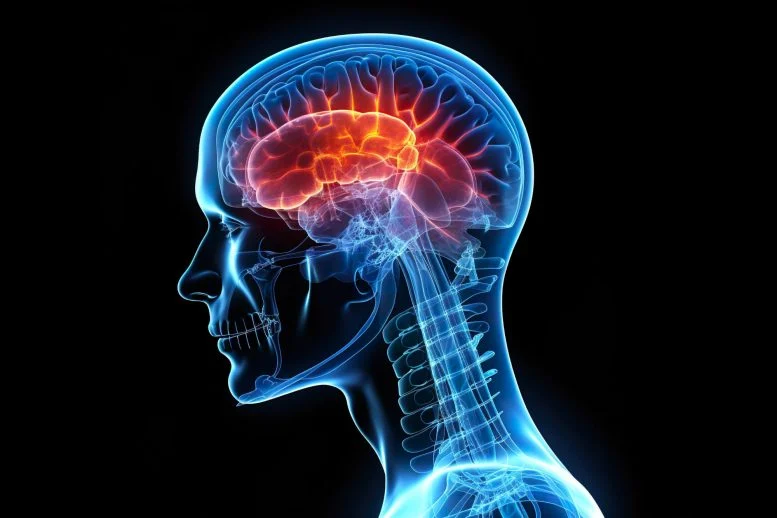
The research team observed 110 healthcare professionals, splitting them into two groups based on their weekly work hours: overworked and non-overworked. Using advanced brain imaging techniques, the scientists found that those logging longer hours showed significant increases in the volume of specific brain regions, including the middle frontal gyrus, insula, and superior temporal gyrus.
These areas are crucial for decision-making, emotional regulation, and mental resilience-functions that are essential both at work and in daily life.
Why It Matters
While previous studies have tied long work hours to various physical and mental health issues, this research is notable for highlighting actual structural changes in the brain. The scientists caution that such changes could have serious long-term consequences for emotional and cognitive well-being.
“Our findings suggest that chronic overwork should be recognized as a genuine occupational health risk,” the researchers noted, urging employers and policymakers to take the issue seriously.
A Timely Warning
The study’s release comes amid heated national discussions, sparked by comments from industry leaders like L&T Chairman S N Subrahmanyan and Infosys founder Narayan Murthy, about the need for 70 to 90-hour workweeks in India. As productivity pressures mount, the new findings serve as a stark reminder: the brain has its limits, and exceeding them could lead to lasting harm.
Disclaimer:
This article is based on a recent scientific study and is intended for informational purposes only. The findings discussed are preliminary and further research is required to fully understand the long-term effects of overwork on brain structure and health. Readers are advised to consult healthcare professionals for personalized advice regarding work-life balance and mental health.