 0
0
 0
0
India is witnessing a concerning rise in brain tumour cases, with experts highlighting both the growing public health impact and the evolving landscape of treatment options. Brain tumours now account for nearly 1.6% of all cancer sites in the country, underscoring the need for increased awareness, early diagnosis, and access to advanced therapies.
The Growing Burden
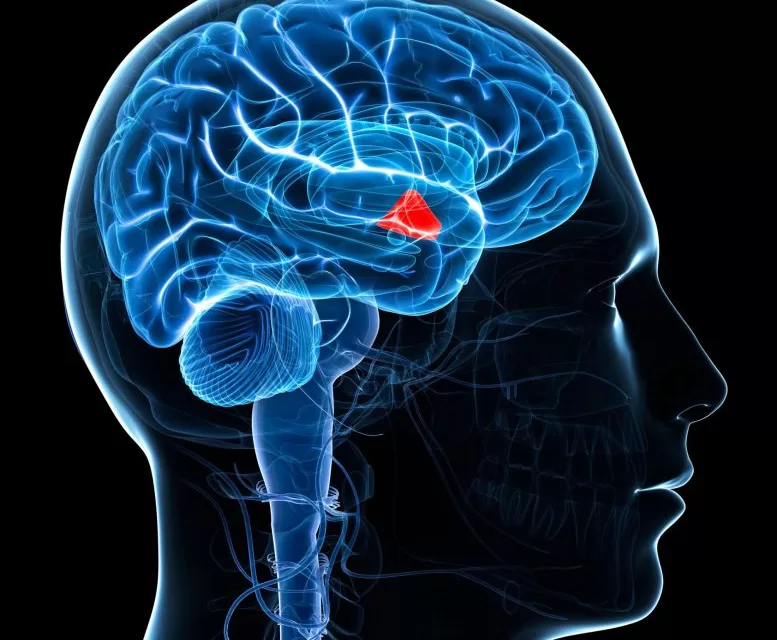
Brain tumours are characterized by abnormal cell growth within the brain or central nervous system. They can be either primary—originating in the brain—or secondary (metastatic), spreading from cancers elsewhere in the body. Symptoms vary widely, ranging from headaches and vomiting to more severe issues like seizures, motor dysfunction, or cognitive decline. The cause of most brain tumours remains unknown, though risk factors such as radiation exposure and family history are recognized.
Advances in Diagnosis and Treatment
Treatment for brain tumours is complex and depends on factors such as tumour type, size, and location. The mainstays of therapy include surgery, radiotherapy, and chemotherapy. Recent years have seen significant technological advancements that are improving outcomes for patients in India:
-
Precision Medicine: By analyzing the genetic makeup of tumours, doctors can tailor therapies to individual patients, increasing the likelihood of success and minimizing side effects.
-
Advanced Imaging: Techniques like functional MRI and diffusion tensor imaging help surgeons map critical brain areas, enhancing the safety and effectiveness of tumour removal.
-
Intraoperative MRI (iMRI): This allows surgeons to obtain real-time images during surgery, helping ensure maximum tumour removal while reducing complications.
-
Minimally Invasive Procedures: Laser interstitial thermal therapy (LiTT) uses heat to destroy tumours deep within the brain, guided by MRI, and is showing promise as a safer alternative for inoperable cases.
-
Stereotactic Radiosurgery (SRS): A non-invasive technique delivering highly focused radiation, SRS treats tumours without the need for incisions, minimizing damage to healthy tissue.
Overcoming Barriers
One of the major challenges in treating brain tumours is the blood-brain barrier, which protects the brain but also blocks many drugs from reaching tumours. Researchers are exploring new methods such as nanoparticles and convection-enhanced delivery to transport drugs across this barrier. Immunotherapy—harnessing the patient’s own immune system—is also emerging as a promising approach.
Looking Ahead
While the rising incidence of brain tumours in India is cause for concern, ongoing research and clinical advances are offering new hope. Improved diagnostic tools, personalized medicine, and innovative therapies are gradually improving survival rates and quality of life for patients.
“As research and clinical trials evolve, the future of brain tumour treatment looks increasingly hopeful, offering new lifelines to patients and their families.” — Dr. Viviane Tabar, Chair, Department of Neurosurgery, Memorial Sloan Kettering Cancer Center.
Disclaimer:
This article is based on publicly available information and recent news reports. It is intended for informational purposes only and should not be considered a substitute for professional medical advice, diagnosis, or treatment. For personal health concerns, please consult a qualified healthcare provider.