 0
0
 0
0
When Dr. Jessica Bernard was a child, she watched her grandfather struggle with Parkinson’s disease, witnessing firsthand how neurological decline alters memory, cognition, and daily life. Today, Bernard is at the forefront of research aimed at helping people remain mentally sharp and independent as they age.
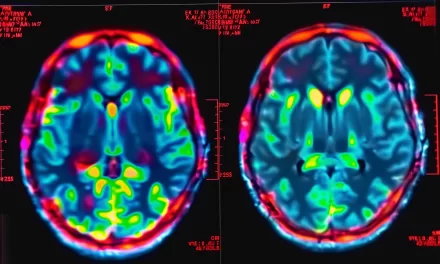
At Texas A&M University, Bernard and her team are focusing on the cerebellum—a brain region once thought to be limited to controlling movement and balance. Recent discoveries, however, reveal the cerebellum’s surprising involvement in mental functions such as language and memory. As people get older, nerve cells in this area may become less effective, disconnect from the rest of the brain, or die off, impacting both cognitive and physical abilities.
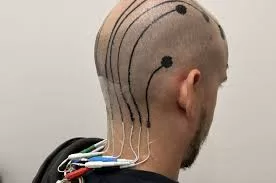
To address these challenges, Bernard’s research is evaluating a promising intervention called Theta Burst Stimulation (TBS). This non-invasive technique uses mild, rhythmic pulses to mimic natural brain activity, potentially enhancing communication between critical brain regions. The hope is that TBS could help older adults—especially those experiencing early cognitive decline—maintain memory and motor skills for longer.
Supported by the WoodNext Foundation, Bernard’s two-year study involves 120 participants: younger adults (as a baseline), cognitively healthy older adults, and seniors with mild cognitive impairment. The research goes beyond measuring memory alone, also assessing how thinking and movement intersect in everyday functions, such as dressing, eating, or moving safely.
“By stimulating the brain’s capacity to process and interpret information and stimulating the connections between the different brain regions…TBS may improve or preserve memory and motor performance,” Bernard explains.
While TBS is unlikely to halt the aging process altogether, Bernard’s team hopes it will help people retain quality of life and independence as they grow older. If successful, this approach could inspire new treatments for more severe brain disorders in the future.
Bernard’s lab is also investigating brain changes during other life transitions, like pregnancy, in collaboration with colleague Dr. Rebecca Brooker. Their work may one day offer new insights into maternal mental health and healthy child development.
Ultimately, Bernard’s mission is deeply human: to help people of all ages—and their loved ones—have fuller, more independent lives.
Disclaimer: The research referenced in this article is ongoing. Theta Burst Stimulation is an experimental technique and not currently a standard treatment for age-related memory loss. Anyone interested should consult with qualified medical professionals before considering any intervention.