 0
0
 0
0
In a groundbreaking development in mental health care, scientists are on the verge of using brain scans to predict which antidepressant medication will be most effective for individual patients. This innovation promises to revolutionize the treatment of depression by eliminating the current trial-and-error approach that often delays relief and increases patient suffering.
The Challenge of Antidepressant Selection
Depression affects millions worldwide, and while antidepressants are a common treatment, finding the right medication can be a prolonged and frustrating process. Currently, patients and doctors rely on a trial-and-error method, trying different drugs over weeks or months to see which works best. This approach can lead to extended periods of untreated symptoms, side effects, and increased healthcare costs.
How Brain Scans Could Change Treatment
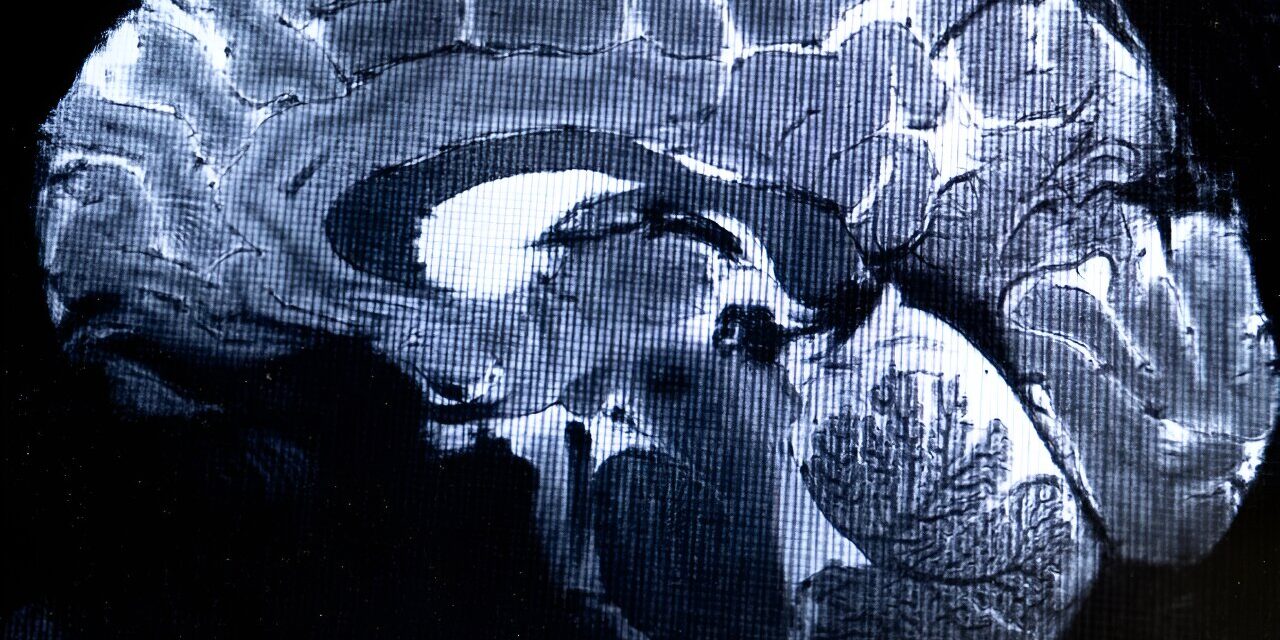
Researchers are developing advanced neuroimaging techniques that analyze brain activity patterns to predict an individual’s response to specific antidepressants. By identifying biomarkers linked to medication effectiveness, doctors could tailor treatments from the outset, improving outcomes and reducing the time to recovery.
The technology involves functional MRI (fMRI) scans that measure brain connectivity and activity in regions associated with mood regulation. Machine learning algorithms then interpret these complex data sets to forecast which antidepressant is likely to work best for the patient.
Potential Benefits
-
Personalized Treatment: Customized medication plans based on brain scan data.
-
Faster Relief: Reduced time spent on ineffective drugs.
-
Lower Healthcare Costs: Fewer doctor visits and hospitalizations.
-
Improved Patient Experience: Less frustration and fewer side effects.
Future Outlook
While still in the research phase, early studies have shown promising results, and clinical trials are underway to validate the approach. If successful, this technology could become a standard tool in psychiatric practice within the next few years, marking a significant leap forward in mental health treatment.
Disclaimer
This article is based on emerging scientific research and is intended for informational purposes only. The brain scan technology for predicting antidepressant response is not yet widely available or approved for routine clinical use. Patients should consult their healthcare providers for personalized medical advice and treatment decisions.
Citations: