 0
0
 0
0
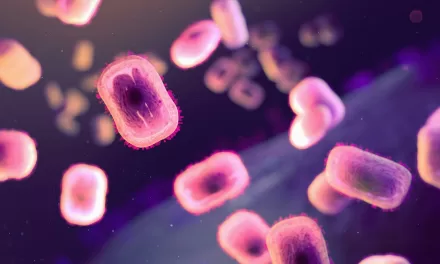
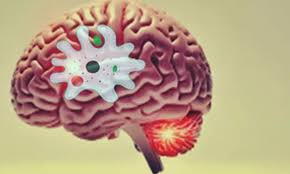
A groundbreaking study from the University of California, Riverside (UCR) has uncovered that the common parasite Toxoplasma gondii, long believed to lie dormant in brain cysts, actually harbors multiple active subtypes within each cyst, potentially explaining its persistence and reactivation in hosts. Published in Nature Communications on January 23, 2026, the research used single-cell RNA sequencing on cysts from infected mouse brains to reveal at least five distinct bradyzoite subtypes coexisting inside these structures. This discovery, led by biomedical researcher Emma H. Wilson, could transform approaches to treating chronic toxoplasmosis, affecting an estimated one-third of the global population.
Key Findings from the UCR Study
Researchers isolated parasites directly from brain cysts in living mouse models that mimic natural human infection, bypassing limitations of lab-grown cultures. Single-cell analysis showed that bradyzoites—the cyst-dwelling form—are not a uniform “sleeping” population but include subtypes with varied gene expression: some maintain cyst stability, others exhibit metabolic activity poised for reactivation into fast-growing tachyzoites, and at least one subtype absent in standard in vitro models. “Rather than a uniform population, cysts contain at least five distinct subtypes of bradyzoites. Although all are classified as bradyzoites, they are functionally different, with specific subsets primed for reactivation and disease,” Wilson explained.
This heterogeneity suggests cysts function as dynamic hubs, not passive shelters, allowing the parasite to evade immunity and resist drugs. One subtype, prominent in chronic mouse infections, was missing from lab-induced cysts, highlighting why tissue-based models are essential for accurate drug screening.
Understanding Toxoplasma gondii and Its Life Cycle
Toxoplasma gondii is a protozoan parasite transmitted primarily through undercooked meat, contaminated soil, water, or cat feces, infecting warm-blooded animals including humans as intermediate hosts. After initial invasion by rapidly dividing tachyzoites, the immune response forces conversion to bradyzoites, which form lifelong cysts mainly in the brain, muscles, and heart—shielded from drugs and immune cells. Globally, seroprevalence averages 25-35%, with up to 61% in parts of Africa and 16-27% in Asia; in India, studies report 22.4% among women of childbearing age, varying regionally from 8.8% in the west to 37.3% in the south.
In healthy individuals, infections are often asymptomatic, but cysts can reactivate in immunocompromised people (e.g., HIV/AIDS patients), causing toxoplasmic encephalitis, or cross the placenta in pregnancy, leading to congenital toxoplasmosis with risks of miscarriage, stillbirth, or newborn defects like vision loss and developmental delays. The UCR findings challenge the simplistic tachyzoite-to-bradyzoite linear model, revealing a more complex “crossroads” of development within cysts.
Expert Commentary and Broader Perspectives
Experts not involved in the study praise its implications for toxoplasmosis research. “This work overcomes limitations of in vitro systems by using mouse models that closely mirror natural infection,” Wilson noted, emphasizing how subtype diversity explains treatment failures. Dr. J.P. Dubey, a leading USDA parasitologist, has long documented T. gondii‘s structural differences between stages, supporting the need for in vivo studies; his work shows bradyzoites have more micronemes and amylopectin than tachyzoites, aiding persistence.
Rima McLeod, M.D., from the University of Chicago’s toxoplasmosis center, highlights clinical relevance: “Current drugs like pyrimethamine and sulfadiazine control acute tachyzoites but fail against cysts, requiring prolonged therapy with toxicity risks.” Treatment often lasts 6 weeks for encephalitis followed by lifelong suppression in at-risk patients, with 10-20% relapse rates possibly due to undetected subtypes.
Public Health Implications and Practical Advice
This research underscores T. gondii‘s stealth, infecting billions silently while posing risks to vulnerable groups: pregnant women (placental transmission in primary infections), newborns (up to 176,882 potential congenital cases yearly in India alone), and immunocompromised individuals. Reactivation can inflame brain tissue, mimicking tumors on scans, and some studies link chronic infection to subtle behavioral changes or schizophrenia risk, though causation remains debated.
For the public, prevention is key: Cook meat to 67°C (160°F), wash produce, wear gloves gardening, avoid cat litter if pregnant, and freeze meat to kill cysts. High-risk groups should test seropositivity preconception. In India, where prevalence varies by diet and sanitation, public health campaigns could target rural areas with mud housing (66% seropositivity in one study). The findings pave the way for subtype-specific drugs, potentially enabling cyst clearance and reducing relapse.
Limitations and Future Directions
While transformative, the study used mouse models; human cysts may differ, requiring validation. Single-cell sequencing captures snapshots, not real-time dynamics, and lab stresses might not fully replicate in vivo conditions. No human trials yet test subtype-targeted therapies, and brain delivery remains challenging due to the blood-brain barrier. Counterarguments note most infections stay latent without symptoms, questioning aggressive intervention needs.
Future research prioritizes human-relevant models, novel compounds hitting low-metabolism subtypes, and vaccines—though none exist for humans. Ongoing trials explore bicyclic azetidines and endochin-like quinolones for cyst reduction.
References
-
Ulu A, et al. “Bradyzoite subtypes rule the crossroads of Toxoplasma development.” Nature Communications. 2026; DOI: 10.1038/s41467-026-68489-y.[nature]
Medical Disclaimer: This article is for informational purposes only and should not be considered medical advice. Always consult with qualified healthcare professionals before making any health-related decisions or changes to your treatment plan. The information presented here is based on current research and expert opinions, which may evolve as new evidence emerges.