 0
0
 0
0
Recent research from chemists in Guangzhou, China, has revealed a remarkably simple method to significantly reduce microplastics and nanoplastics in household tap water: boiling. The study, published in Environmental Science and Technology Letters, demonstrates that pairing heat with the minerals naturally present in hard water can remove up to 90% of these tiny plastic particles before the water even reaches a full boil.
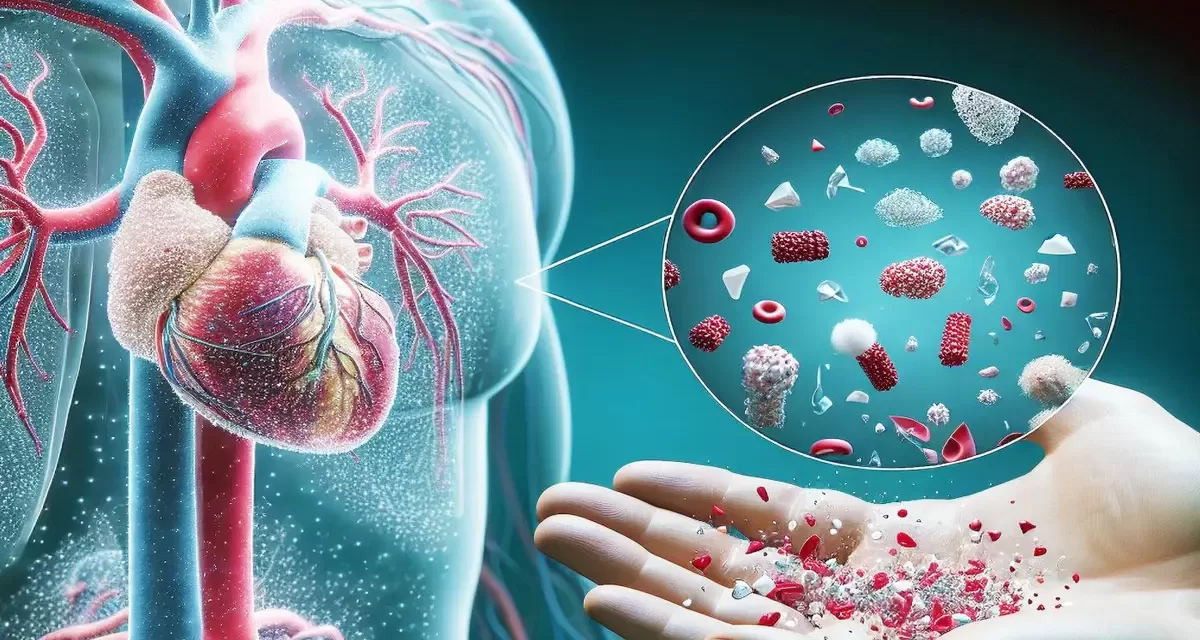
Microplastics—tiny fragments of plastic often invisible to the naked eye—have become a growing concern as they infiltrate drinking water supplies worldwide. Tests across the globe have detected tens to thousands of these particles in every liter of tap water, raising alarms about potential health risks, even as scientists continue to investigate their long-term effects on the body.
The Guangzhou team found that when hard water (rich in calcium carbonate) is heated, the minerals crystallize into flakes, a process that produces the familiar chalky limescale seen inside kettles. As these flakes form, they drift through the water and latch onto free-floating microplastics, wrapping them up until they sink and become part of the crust at the bottom of the pot. After boiling, simply filtering the water through a paper coffee filter or a stainless steel mesh can remove any remaining particles.
The effectiveness of this method varies with water hardness. In regions with high mineral content (about 300 milligrams of calcium carbonate per liter), up to 90% of microplastics were removed. Even in soft water areas, where mineral content is lower, boiling still reduced microplastic levels by about 25%. For those with soft water, adding a pinch of food-grade calcium before boiling could enhance the effect, though researchers caution not to exceed safe limits for taste and health.
This approach is not only low-cost and accessible—requiring only a stove, a kettle, and a basic filter—but also fits easily into daily routines already practiced in many households for making coffee or preparing baby formula. The study highlights how everyday habits can help address a problem often perceived as too large for individual action.
While health agencies like the World Health Organization note that current data are insufficient to firmly link microplastic intake to disease, they encourage reducing exposure where practical. The U.S. Geological Survey also supports simple interventions that people can adopt today.
Disclaimer:
This article is based on research findings as reported by Earth.com and other reputable sources. The effectiveness of boiling and filtering tap water may vary depending on local water chemistry and the specific types of microplastics present. While this method can significantly reduce microplastic exposure, it is not a guarantee of complete removal and should not be considered a substitute for professional water treatment or advice from health authorities. The long-term health effects of microplastics are still under investigation. Always consult with local health or environmental experts regarding water safety in your area.