 0
0
 0
0
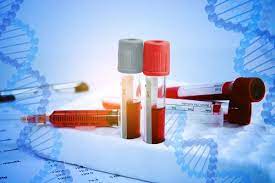
A recent study highlighted in MedicalXpress indicates that a simple blood test could help identify early complications in liver transplant patients, potentially improving outcomes and reducing hospital stays. The research reveals that monitoring specific biomarkers in blood can signal issues before they become clinically apparent, allowing for prompt intervention.
Liver transplantation is a life-saving procedure for patients with end-stage liver disease, but post-transplant complications such as organ rejection, infection, and graft dysfunction remain significant concerns. Early detection of these complications is crucial, as delays in diagnosis can lead to poorer outcomes and increased mortality.
The new approach focuses on analyzing blood for markers that change in response to early transplant-related problems. If validated in larger studies, this method could become a standard part of post-transplant care, helping clinicians intervene sooner and tailor treatments more effectively.
Experts note that while liver transplantation is now a routine procedure with generally good outcomes, challenges such as donor shortages and post-operative complications persist. The integration of advanced blood monitoring could address one of the key barriers to optimal transplant care—timely recognition of complications.
Disclaimer:
The information in this article is based on a summary of recent research and should not be considered as medical advice. Always consult a qualified healthcare professional for diagnosis and treatment options related to liver transplantation or any other medical condition. The study referenced is preliminary and further research is needed to confirm the effectiveness and applicability of the proposed blood test in clinical practice.