 0
0
 0
0
June 9, 2025 — For many homeowners, the sight of black mould creeping along bathroom tiles or basement walls is enough to spark concern—and sometimes panic. Stories linking “toxic black mould” to severe illnesses, especially in children, have circulated for decades. But what does the science actually say about the health risks posed by black mould?
What Is Black Mould?
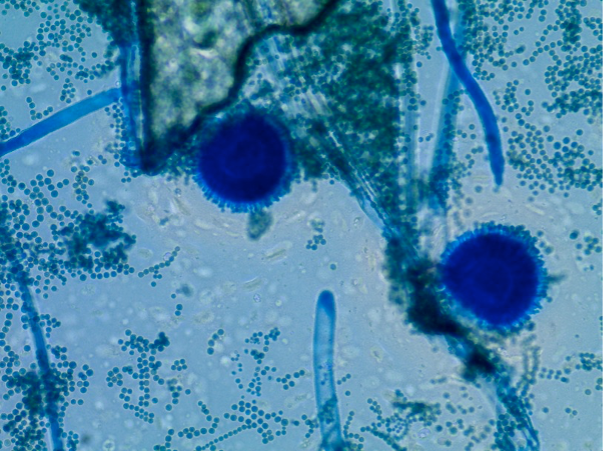
The term “black mould” generally refers to a group of dark-hued fungi, most notably Stachybotrys chartarum. This species gained widespread attention in the 1990s after reports suggested a link between black mould exposure and fatal lung bleeding in infants. These early studies, however, were later criticized for flawed methods and inaccurate mould spore measurements. When the research was revisited and corrected, the supposed connection between black mould and deadly lung disease virtually disappeared.
Are Mycotoxins a Threat?
A major concern about black mould is its ability to produce mycotoxins—potentially harmful compounds generated by certain fungi. Laboratory studies have shown that S. chartarum can create dangerous mycotoxins under controlled conditions. However, in the typical home environment, the fungus rarely releases enough spores to be dangerous. Furthermore, the spores are usually trapped in a sticky mass, making them less likely to become airborne and inhaled.
Experts agree that inhaling a harmful dose of mycotoxins from black mould in homes is extremely unlikely.
The Real Health Risks
While the threat of “toxic black mould” is often exaggerated, mould in the home is not entirely harmless. There is strong evidence that mould can worsen respiratory problems, especially for people with asthma or allergies. Exposure can trigger conditions such as:
-
Fungal sinusitis
-
Allergic bronchopulmonary aspergillosis
-
Hypersensitivity pneumonitis (rarely)
Immunocompromised individuals are also at greater risk for fungal infections. For most healthy people, however, the primary concern is the potential for allergic reactions and the aggravation of existing respiratory conditions.
The Bottom Line
The myth that black mould is a routine cause of serious toxicity or fatal illness is not supported by current scientific evidence. While it can certainly exacerbate allergies and asthma, the idea that it poses a deadly threat to most people is largely unfounded.
Disclaimer:
This article is for informational purposes only and does not constitute medical advice. If you have health concerns related to mould exposure, consult a qualified healthcare professional. For more details, see the original article from The Week.