 0
0
 0
0
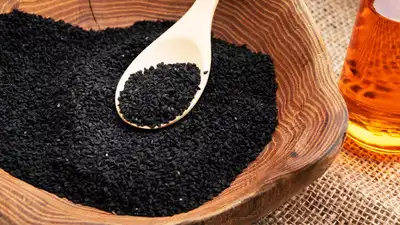
New Delhi, May 28: Black cumin seeds, widely known as kalonji in India, are enjoying renewed attention in health and wellness circles for their remarkable anti-inflammatory properties. Long treasured in traditional medicine systems like Ayurveda and Unani, these tiny black seeds—harvested from the Nigella sativa plant—are now being validated by modern science for benefits that go far beyond the kitchen.
For centuries, black cumin seeds have been a staple in both culinary and medicinal practices across Asia, the Middle East, and Africa. Traditionally, they have been used to address ailments such as digestive issues, respiratory problems, and skin disorders. Their reputation as a “remedy for every illness except death” is even mentioned in religious and historical texts.
Recent scientific studies are now confirming what ancient healers long believed. The seeds’ main bioactive compound, thymoquinone, has shown potent antioxidant, anti-inflammatory, and antimicrobial effects. Research indicates thymoquinone can inhibit the production of pro-inflammatory cytokines—molecules that trigger inflammation—thereby reducing swelling, pain, and tissue damage associated with chronic conditions like arthritis, asthma, and heart disease.
Health experts highlight that black cumin seeds support not only inflammation reduction but also overall wellness. They are rich in essential fatty acids, vitamins, and minerals that help boost immune function, protect organs, and may even aid in blood sugar and cholesterol management. Some studies suggest black cumin extract may outperform popular anti-inflammatory foods like turmeric and ginger in certain tests.
Black cumin seeds can be consumed in various forms:
-
Sprinkled on breads, salads, roasted vegetables, yogurt, or dips
-
Added to curries, rice, and stews as a spice
-
Brewed into herbal teas for a calming effect
-
Consumed as black seed oil or supplements, though experts advise consulting a healthcare provider before starting any new supplement
While the evidence for black cumin seeds’ benefits is promising, health professionals caution that they should be used as a complementary remedy, not a replacement for prescribed medical treatments. Individual responses can vary, and more research is needed to fully understand their long-term effects.
“Black cumin seeds may reduce swelling, pain, and tissue damage associated with inflammatory conditions. However, it’s best to talk to your healthcare provider before using them as a supplement,” notes a recent health report.
This article is for informational purposes only and should not be considered medical advice. Always consult a qualified healthcare professional before starting any new dietary supplement or treatment, especially if you have underlying health conditions or are taking medication.