 0
0
 0
0
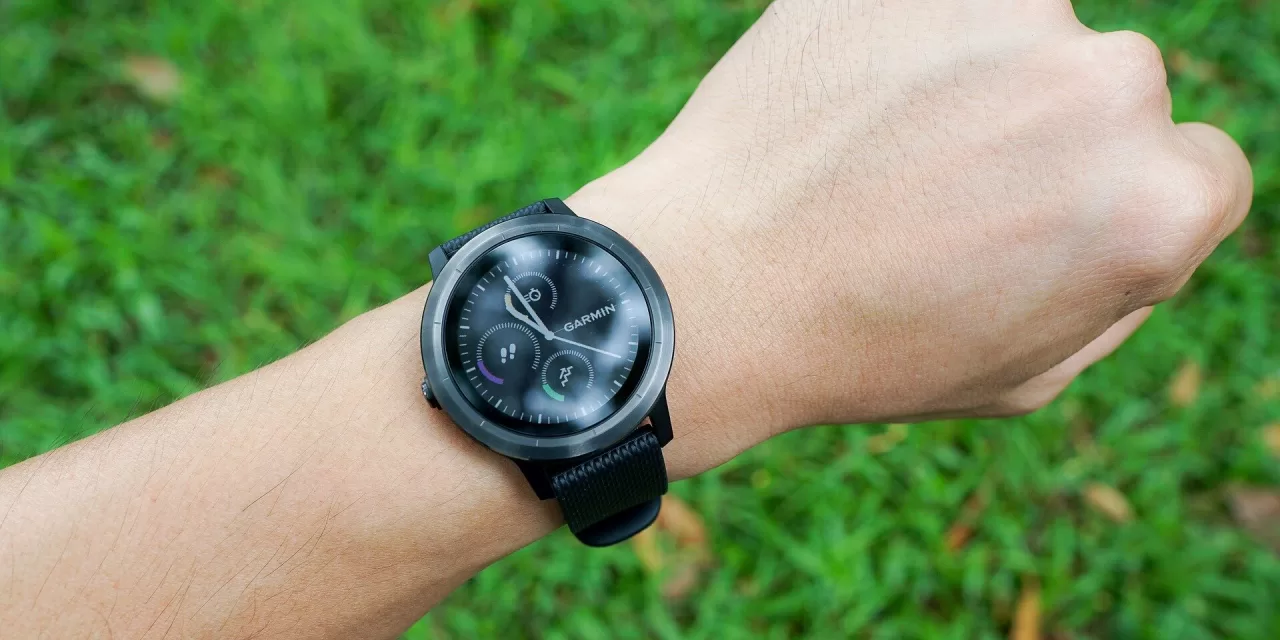
Hyderabad, India — In a breakthrough development aimed at revolutionizing diabetes management, a student-mentor team from BITS Pilani Hyderabad campus has introduced a non-invasive, smartwatch-based wearable diagnostic platform capable of monitoring glucose levels through sweat. This platform, developed by PhD scholar Abhishek Kumar and Prof. Sanket Goel, is being translated toward commercialization by Cleome Innovation, a spin-off startup from the institute’s MEMS (Microfluidics and Nanoelectronics Lab).
According to the developers, the wearable is designed to offer a painless and affordable alternative to traditional finger-prick blood tests. Speaking about his motivation, Kumar shared, “In my family, even around, I have seen diabetes patients…I literally sometimes used to feel their pain,” recounting his experiences with conventional glucose monitoring.
The device is engineered for scalability, reliability, and low cost—estimated at around ₹2,500. It not only detects glucose but can also measure uric acid and lactate, key metabolic markers associated with diabetes and other health conditions. The platform has reportedly achieved an impressive accuracy of 97–98% in initial sample tests. Beyond spot testing, the wearable is designed for continuous, real-time monitoring, potentially heralding a new era of proactive and personalized health management.
Professor Goel emphasized, “Diabetes isn’t just about glucose; complications can arise silently and early. By monitoring additional markers…we gain a more complete picture of a patient’s metabolic condition. Our system does this non-invasively, affordably, and in real time without requiring blood samples”.
The team expects clinical validation and regulatory approval processes to begin soon, with the first commercial products possibly reaching the market within a year. They are also exploring partnerships with industry for technology transfer and further enhancements, including patch-based or flexible skin sensors for even more convenient health tracking.
Disclaimer: This news article is based on information sourced from a syndicated news feed. The technology described is still under clinical evaluation and awaiting regulatory clearance. The device is not yet commercially available; individuals should consult healthcare professionals for current diabetes management methods.