 0
0
 0
0
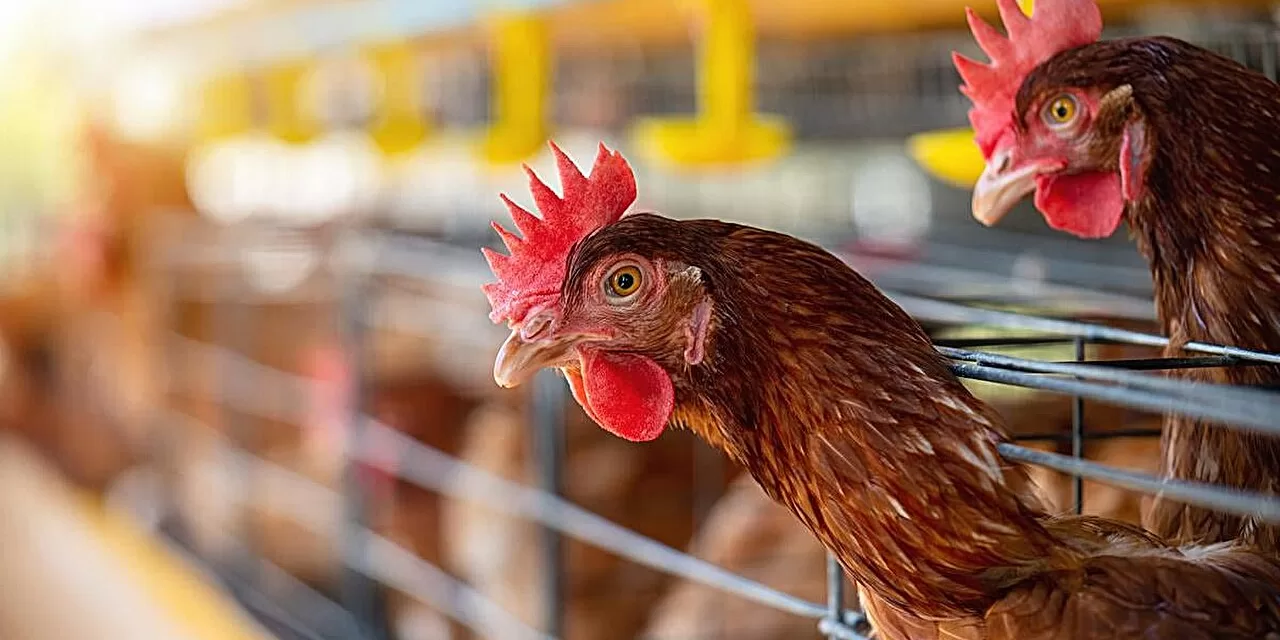
Bird flu, also known as avian influenza, has resurfaced as a significant public health and agricultural concern in 2025, following a quieter period earlier this year. The virus, primarily affecting birds but capable of infecting other animals and humans, has caused widespread outbreaks across the United States and other parts of the world. With new human cases emerging—including a recently identified strain not previously seen in people—experts are closely monitoring the situation to assess risks and guide public health responses.
Key Developments:
In 2025, bird flu outbreaks have been reported across all 50 U.S. states, devastating poultry populations and spreading to dairy cattle herds. According to recent data, over 168 million birds and more than 1,000 dairy herds have been affected in the U.S. alone, marking the largest animal health emergency in the country’s history. Human cases continue to be rare but notable, with 71 confirmed cases reported since 2024, primarily linked to occupational exposure to infected animals. A new strain of the H5 virus recently emerged in a human case in Washington state, raising concerns because it had only been seen in animals before.
Expert Perspectives and Context
Dr. Lisa Poulsen, a veterinary epidemiologist, emphasizes the economic and public health challenges posed by the virus: “Bird flu’s impact on poultry and dairy industries threatens food supply stability and can cause significant price fluctuations in eggs and milk,” she explains. The virus’s persistent presence indicates it is unlikely to disappear soon, meaning ongoing vigilance is essential.
The World Health Organization (WHO) reports nearly 1,000 human cases globally since 2003, with a high fatality rate of about 48% among those infected. Most human infections have been linked to close contact with infected birds or contaminated environments. However, the virus’s ability to infect mammals, including recent infections in dairy cattle, represents a concerning shift and could increase the potential for human exposure.
Public Health Implications
While the risk of widespread human transmission remains low, the emergence of new strains and confirmed human infections highlight the importance of infection control and biosecurity, particularly for poultry workers, veterinarians, and others in close contact with potentially infected animals. Public health authorities advocate for increased surveillance, vaccination of poultry where feasible, and adherence to safety protocols to minimize zoonotic transmission.
The economic fallout for farming communities and potential supply chain disruptions call for coordinated responses at state and federal levels. Awareness campaigns also aim to educate the general public about avoiding contact with wild or sick birds and following recommended food safety practices.
Limitations and Counterarguments
Despite these concerns, some experts caution against alarmism. Dr. Amy Chen, an infectious disease specialist not involved in current outbreak response efforts, notes, “Although bird flu can cause severe illness in humans, cases remain sporadic and mostly occupational. There is currently no evidence of sustained human-to-human transmission.” She stresses the need for continued research to understand whether mutations might increase the virus’s adaptability to humans.
Furthermore, while economic impacts are significant, the agricultural industry has prepared contingency plans from previous outbreaks, improving resilience through culling policies and monitoring systems.
What This Means for You
For the general public, the risk of contracting bird flu remains low. However, practicing good hygiene around birds, avoiding contact with wild or sick birds, and cooking poultry products thoroughly are practical steps to reduce any risk. Those working in high-risk settings should follow stringent protective measures, including personal protective equipment and vaccination where available.
Awareness and preparedness remain key as health authorities continue to track the virus’s evolution and spread.
Medical Disclaimer: This article is for informational purposes only and should not be considered medical advice. Always consult with qualified healthcare professionals before making any health-related decisions or changes to your treatment plan. The information presented here is based on current research and expert opinions, which may evolve as new evidence emerges.
References:
- https://www.cnn.com/2025/11/14/health/bird-flu-washington-case
- https://abcnews.go.com/Health/suspected-human-bird-flu-case-1st-us-9/story?id=127519769