 0
0
 0
0
A groundbreaking new study suggests that how quickly our bodies age-our “biological age”-may be a stronger predictor of dementia risk than the number of years we’ve lived, or our “chronological age.” The findings, published in the journal Neurology, could reshape how doctors assess and prevent cognitive decline as the global population grows older.
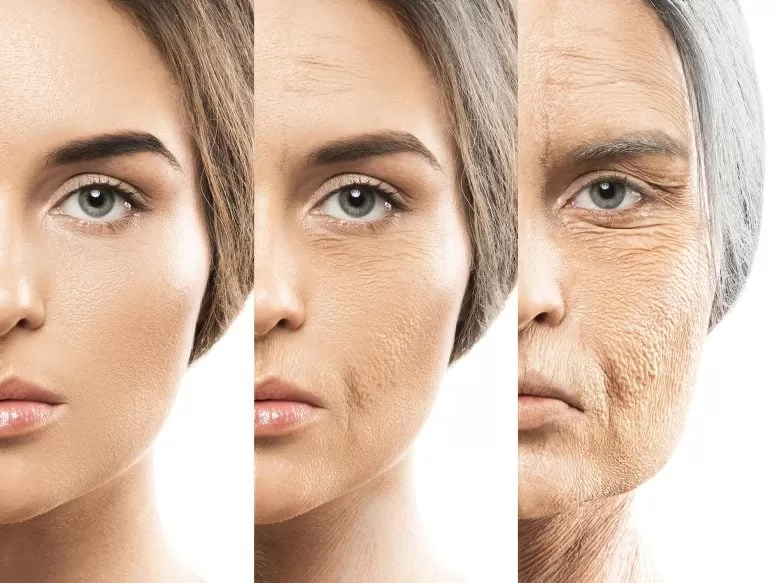
Biological Age vs. Chronological Age
Chronological age is simply the number of years since birth. Biological age, however, measures how well our organs and systems are functioning compared to typical aging patterns. It is calculated using health indicators like lung function, blood pressure, cholesterol, and even blood cell activity.
While two people may both be 60 years old chronologically, their biological ages could differ significantly-one might have the body of a 50-year-old, while the other’s body could function more like that of a 70-year-old.
The Study: Tracking Aging and Dementia
Researchers led by Dr. Yacong Bo of Zhengzhou University in China analyzed data from 280,918 participants in the UK, none of whom had dementia at the study’s outset. Over an average follow-up period of 14 years, 4,770 participants developed dementia.
Strikingly, those who developed dementia had an average chronological age of 65 but a biological age of 55-meaning their bodies had aged faster than their actual years. In contrast, those who remained dementia-free had a biological age closer to 45, despite an average chronological age of 57.
Key Findings
-
Advanced biological age was linked to a 30% higher risk of developing dementia compared to those with the youngest biological profiles.
-
The association held true even after accounting for factors such as smoking, education, and baseline age.
-
Brain imaging showed that people with higher biological ages had reduced gray matter volume-a known risk factor for conditions like Alzheimer’s disease.
Why It Matters
As dementia rates continue to rise globally, understanding risk factors is more important than ever. The study’s results suggest that monitoring biological age could help identify people at higher risk for cognitive decline-potentially years before symptoms appear.
Encouragingly, biological age is influenced by lifestyle choices. “While none of us can change our chronological age, we can influence our biological age through lifestyle factors such as diet and exercise,” Dr. Bo emphasized.
What’s Next?
The study raises important questions for future research, such as whether slowing biological aging could delay or prevent dementia, and whether earlier screening based on biological age could improve care.
However, the researchers caution that their findings come from a relatively health-conscious population, so results may differ in the general public.
Resources
For more information on brain health and aging, resources like BrainandLife.org-managed by the American Academy of Neurology-offer science-backed advice for patients, caregivers, and professionals.
Disclaimer:
This article summarizes recent scientific research and is for informational purposes only. It does not constitute medical advice. For personal health concerns or questions about dementia risk, consult a qualified healthcare provider. The findings discussed are based on observational data and do not establish causation. Further research is needed to confirm these results and their implications for the general population.
Citations: