 0
0
 0
0
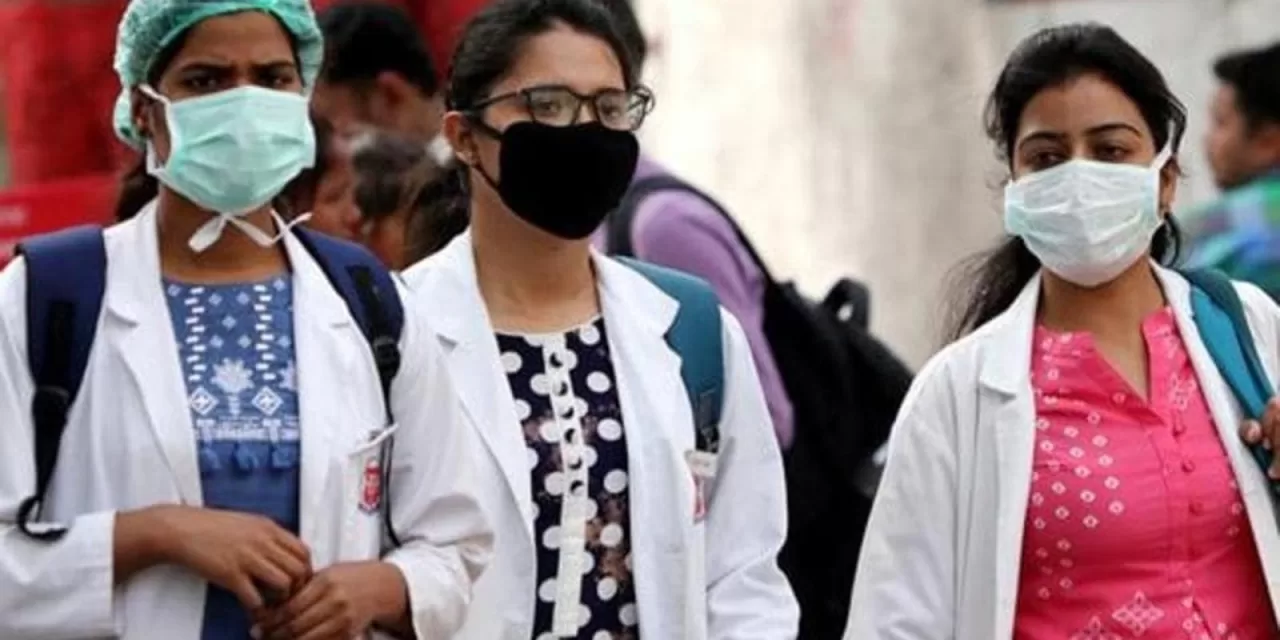
The Bihar State Government has approved a significant stipend increase for medical interns across government medical colleges in the state, providing MBBS, BDS, Ayurvedic, Unani, Homeopathy, and Foreign Medical Graduate (FMG) interns a revised monthly stipend of Rs 27,000, up from the previous Rs 20,000. This decision, announced in 2025, aims to address longstanding demands from interns who had raised concerns over inadequate stipends, impacting their financial stability during mandatory internship training.
Key Developments in the Stipend Revision
The stipend hike affects interns in government medical colleges including Patna Medical College and Hospital (PMCH), Patna Dental College, and other state institutes. This includes MBBS, BDS, AYUSH streams (Ayurvedic, Unani, and Homeopathy), and FMGs undergoing internships in Bihar’s government medical colleges. Apart from these, Physiotherapy and Occupational Therapy interns will receive Rs 20,000 per month, slightly less than the newly approved Rs 27,000 for medical interns.
This decision followed protests by MBBS interns, notably at PMCH, who demanded an increase from Rs 20,000 to Rs 40,000, highlighting the disparity in stipend rates between Bihar and other states. Intern doctors expressed that the last stipend revision was in 2022, with an assurance for a further revision within three years. The current hike attempts to narrow gaps, although in comparison, intern stipends in neighboring states are still higher—such as Rs 43,000 in West Bengal and Rs 40,000 in Odisha. Furthermore, institutions like IGIMS and AIIMS offer Rs 30,000 and Rs 32,000 respectively to their MBBS interns—highlighting a continuing disparity in stipends across institutions and states.
Expert Perspectives and Implications for Public Health
Financial support during internships is crucial as interns form the backbone of healthcare service delivery, particularly in government institutions serving large patient populations with limited resources. Dr. Anil Kumar, a senior medical educator not involved in the Bihar decision, notes, “Adequate stipends are essential not only for ensuring interns’ financial security but also for maintaining morale and allowing them to focus fully on this critical training stage.” He adds that stipend hikes could help mitigate financial stressors that might otherwise compromise intern performance and well-being.
The stipend increase potentially benefits public health by better supporting the next generation of healthcare professionals during their formative clinical training. It might aid in retention and reduce attrition rates among interns who often juggle academic duties and personal financial challenges.
Context and Background
Medical internships are a compulsory phase for MBBS, BDS, AYUSH, and FMG graduates to gain essential hands-on experience before full licensure. Intern stipends historically vary widely across India, influenced by state policies, institute funding, and budget priorities. Bihar’s move is part of broader calls nationwide to standardize and increase stipends in recognition of the demanding workload and responsibility interns shoulder.
In Bihar, the increase is a step toward aligning internship stipends with those offered in better-funded states, though gaps remain. Previous protests signaled growing unrest among young doctors, reflecting broader systemic issues around remuneration in public healthcare training.
Limitations and Counterarguments
While the stipend hike is welcome, some health policy analysts caution that Rs 27,000 may still be insufficient given living costs and workload in urban centers where many government colleges are located. Experts emphasize that stipend alone is not a panacea; improvements in working conditions, educational infrastructure, and career support frameworks are also critical.
Additionally, there is a risk that raising stipends without parallel investments in healthcare infrastructure and staffing could strain state budgets or lead to uneven benefits if facilities differ in funding capacity. Healthcare economist Dr. Sanjana Verma urges for comprehensive reforms: “Financial remuneration must be part of a holistic strategy that values interns, enhances training quality, and ensures sustainable public health service delivery.”
Practical Implications for Readers
For medical students preparing for internships in Bihar, the stipend increase offers a clearer short-term financial outlook, perhaps easing economic pressures. Prospective interns should still plan their finances carefully considering other costs like accommodation and transportation.
For the general public, this policy reflects ongoing government efforts to support healthcare training, crucial for sustaining quality medical services. It underscores the importance of recognizing and investing in healthcare workers early in their careers to ensure a robust medical workforce.
Medical Disclaimer: This article is for informational purposes only and should not be considered medical advice. Always consult with qualified healthcare professionals before making any health-related decisions or changes to your treatment plan. The information presented here is based on current research and expert opinions, which may evolve as new evidence emerges.
References:
-
“Bihar Govt approves stipend hike: MBBS, BDS, AYUSH, FMG interns to get Rs 27k per month,” Medical Dialogues, 2025.https://medicaldialogues.in/state-news/bihar/bihar-govt-approves-stipend-hike-mbbs-bds-ayush-fmg-interns-to-get-rs-27k-per-month-154517