 0
0
 0
0
New Delhi – As the Air Quality Index (AQI) in the national capital and surrounding regions continues to hover in the “very poor” to “severe” categories, leading medical experts are issuing a stark warning: treating air pollution as a seasonal emergency is a failing strategy. With hospitals reporting a surge in respiratory and cardiovascular cases, health authorities are urging policymakers to pivot from temporary, reactive measures to comprehensive, year-round mitigation strategies.
The call for sustained action comes amidst a prolonged spell of toxic air that has gripped the Indo-Gangetic plains. While public attention spikes alongside the smog towers in November and December, medical professionals warn that the health risks persist 365 days a year, often invisibly.
The Fallacy of the “Seasonal” Crisis
“We talk about pollution when November and December come, and those three months we are very active,” states Dr. Saurabh Mittal, Department of Pulmonary Medicine at the All India Institute of Medical Sciences (AIIMS), Delhi. “But even in the summer, the air quality is not good. Air quality remains suboptimal as compared to global standards, even when the weather is fine.”
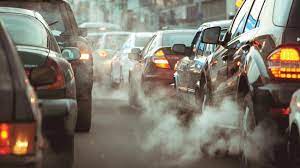
This sentiment reflects a growing consensus in the medical community that the “seasonality” of pollution is a dangerous myth. While meteorological factors like low wind speed and temperature inversion trap pollutants during winter, the emission sources—vehicular exhaust, industrial output, and construction dust—are active year-round.
Dr. Anant Mohan, Professor and Head of Pulmonary Medicine at AIIMS, describes the current situation as an “emergency” that requires more than band-aid solutions. “The efforts to curb pollution cannot be only temporary… long-term solutions to this city are urgently required,” he told news agencies, emphasizing that waiting for the smog to descend before acting is a public health gamble.
From Lungs to Bloodstream: The Hidden Health Toll
The health implications of this chronic exposure are far-reaching. While immediate symptoms like coughing, eye irritation, and headaches are the most visible signs of toxicity, the long-term damage is often silent and irreversible.
Neurologist Dr. P.N. Renjen explains that the danger extends well beyond the lungs. “Tiny particulate matter (PM 2.5) enters our bloodstream via the lungs and damages blood vessels, increasing blood pressure,” he notes. This systemic inflammation is a leading driver of strokes and heart attacks, even in individuals with no prior history of cardiovascular disease.
Recent data supports these concerns. Long-term exposure to PM2.5—particles nearly 30 times smaller than the width of a human hair—has been definitively linked to:
-
Chronic Obstructive Pulmonary Disease (COPD) and lung cancer in non-smokers.
-
Developmental delays in children, whose lungs and immune systems are still maturing.
-
Hypertension and stroke, caused by inflammation of the vascular system.
Geography vs. Policy: The Root Causes
Experts acknowledge that geography plays a role. Gautam Menon, Dean of Research and Professor of Physics and Biology at Ashoka University, points out that the Indo-Gangetic plains act as a natural “bowl” that traps pollutants. However, he argues that attributing the crisis solely to geography ignores the man-made factors that are within human control.
“This is exacerbated by many other factors that we have more control over, such as the ever-increasing numbers of vehicles, biomass burning, unlicensed factories, festivals which add to the polluted air, and constant construction,” Menon explains.
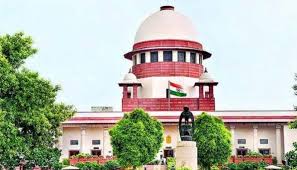
The reliance on short-term fixes—such as water sprinklers or temporary bans on construction—fails to address these root causes. Judicial bodies have echoed this sentiment, with the Supreme Court recently remarking that there is “no magic wand” to clear the air and that the solution lies in expert-led, institutional planning rather than episodic litigation.
The Prescription: A 365-Day Approach
To safeguard public health, experts advocate for a multi-pronged, year-round strategy that moves beyond emergency protocols like the Graded Response Action Plan (GRAP). Key recommendations include:
-
Decarbonizing Transport: Accelerating the shift to electric vehicles (EVs) and significantly improving public transit infrastructure to reduce reliance on private fossil-fuel cars.
-
Source Management: Strict, year-round enforcement of industrial emission standards and bans on waste burning, rather than seasonal crackdowns.
-
Urban Greening: Developing “green lungs” within cities through massive afforestation projects that can act as natural air filters.
-
Health Surveillance: Establishing a health monitoring system to track pollution-related illnesses in real-time, allowing for data-driven policy adjustments.
Protecting Yourself
Until systemic changes take root, healthcare providers advise the public to take personal precautions. “We recommend wearing N95 masks during peak pollution hours and avoiding early morning outdoor activities when pollutant concentration is often highest,” advises Dr. Renjen.
The message from the medical community is clear: Clean air cannot be a seasonal luxury. It is a fundamental requirement for public health, and achieving it demands a cure, not just a painkiller.
Medical Disclaimer:
This article is for informational purposes only and should not be considered medical advice. Always consult with qualified healthcare professionals before making any health-related decisions or changes to your treatment plan. The information presented here is based on current research and expert opinions, which may evolve as new evidence emerges.
References:
-
Primary Source: “Air pollution: Need solutions which work throughout year, not for short period, say experts,” The Morung Express (citing IANS), November 29, 2025.1