 0
0
 0
0
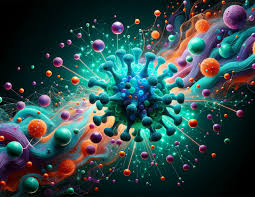
In the microscopic arms race between pathogens and the human immune system, science has just identified a formidable new player. For decades, the medical community believed that viruses primarily traveled as solitary particles, drifting between cells to find a new host. However, groundbreaking new research has uncovered a “supercharged” method of infection involving a previously unknown, virus-like structure called a migrion.
Published recently in a series of landmark studies, the discovery of migrions suggests that certain viruses don’t just travel light; they hitch a ride on cellular “cargo ships” that protect them from the immune system and deliver them directly into healthy tissue with devastating efficiency.
What is a Migrion?
At its simplest, a migrion is a large, membrane-bound organelle that forms at the tips of “migratosomes”—slender, thread-like structures that cells leave behind as they move.
Think of a cell moving through your body like a snail leaving a trail of slime. Within that trail, the cell sheds small bubbles containing biochemical information. Scientists have discovered that viruses have “hijacked” this natural cellular communication system. Instead of the bubbles carrying harmless proteins, they are packed with viral particles.
“This is a paradigm shift in how we view viral transmission,” says Dr. Elena Rossi, an independent virologist not involved in the initial study. “We used to think of viruses as individual snipers. Migrions turn them into armored personnel carriers, delivering a concentrated load of infection all at once.”
The “Supercharged” Infection Mechanism
The significance of migrions lies in their potency. When a single virus particle enters a cell, the immune system has a fair chance of detecting and neutralizing it. However, a migrion acts as a concentrated “infection bomb.”
According to the research, a single migrion can carry hundreds of viral genomes. When this structure is absorbed by a healthy neighbor cell, it releases a massive viral load simultaneously. This “supercharged” entry often overwhelms the cell’s internal defenses before an interferon response—the body’s natural “intruder alert” system—can be triggered.
Furthermore, because the viruses are encased within a membrane derived from the host cell’s own body, they may effectively wear a “cloak,” making them invisible to circulating antibodies that would otherwise flag them for destruction.
Implications for Public Health and Chronic Disease
While the discovery is currently at the fundamental research stage, its implications for public health are profound. This mechanism has been observed in several types of viruses, including those responsible for respiratory infections and certain gastrointestinal illnesses.
-
Drug Resistance: If viruses are protected inside migrions, current antiviral medications that target free-floating particles may be less effective.
-
Vaccine Development: Understanding the “cloaking” mechanism of migrions could lead to a new generation of vaccines that teach the immune system to recognize these cellular “shuttles” rather than just the virus itself.
-
Chronic Inflammation: Because migrions are linked to cell movement (migration), they may play a role in how viruses spread into specific organs, such as the brain or heart, potentially explaining the mechanics of “long-haul” viral syndromes.
Balancing the Findings: A Note of Caution
Despite the excitement in the scientific community, experts urge the public not to panic.
“It is important to remember that the discovery of a new mechanism does not mean the viruses themselves have become more dangerous overnight,” explains Dr. Marcus Thorne, an infectious disease specialist. “They have likely been using migrions for millennia. The difference is that now we can see them. Once we can see a target, we can learn how to hit it.”
Current limitations of the research include the fact that much of the behavior has been observed in controlled laboratory settings (in vitro). Scientists still need to map exactly how frequently these structures are used in a living human body (in vivo) and which specific viral families rely on them most heavily.
What This Means for You
For the average health-conscious consumer, this discovery reinforces the complexity of biology but doesn’t change standard health precautions. Traditional measures—vaccination, hand hygiene, and a robust immune system supported by nutrition—remain the first line of defense.
However, for patients dealing with recalcitrant or chronic viral infections, this research offers hope. By identifying migrions, scientists have opened a new door for therapeutic intervention. We are moving toward a future where “precision virology” could involve blocking the formation of these migrions, effectively “grounding” the viral cargo ships before they can set sail.
The Road Ahead
The discovery of migrions is being hailed as one of the most significant finds in cell biology this decade. It reminds us that even in the 21st century, the human body still holds secrets that can redefine our understanding of life and disease.
As research continues, the medical community will be watching closely to see if blocking migrion formation could be the “silver bullet” for stopping rapid viral outbreaks in their tracks.
Medical Disclaimer: This article is for informational purposes only and should not be considered medical advice. Always consult with qualified healthcare professionals before making any health-related decisions or changes to your treatment plan. The information presented here is based on current research and expert opinions, which may evolve as new evidence emerges.
References and Sources
- https://scitechdaily.com/scientists-discover-migrions-a-new-virus-like-structure-that-supercharges-infection/