 0
0
 0
0
NEW DELHI — A groundbreaking study has uncovered a startling connection between one of the most common gynecological conditions and the leading cause of death globally. Women diagnosed with uterine fibroids face a significantly higher risk of developing long-term cardiovascular disease (CVD) compared to those without the condition, according to research published in the Journal of the American Heart Association (JAHA).
The large-scale study, which tracked millions of women over a decade, revealed that those with fibroids had an 81% increased risk of experiencing major heart-related conditions. While fibroids have long been managed as a reproductive health issue, experts now suggest they may serve as a critical “early warning sign” for a woman’s cardiovascular future.
Understanding the Scope: The Study by the Numbers
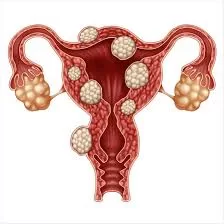
Uterine fibroids are non-cancerous growths of muscle and tissue that develop in or around the uterus. They are remarkably common; it is estimated that up to 70% to 80% of women will develop them by age 50. While many remain asymptomatic, others suffer from pelvic pain and heavy menstrual bleeding.
To understand the systemic impact of these growths, researchers analyzed data from a massive cohort:
-
450,000 women (aged 18–50) diagnosed with fibroids.
-
2.25 million women without the condition (the control group).
-
10-year follow-up period to monitor for first-time cardiovascular events.
The results provided a stark contrast in health outcomes. Women with fibroids experienced approximately 6.5 cardiovascular events per 1,000 person-years, compared to just 3 events in the control group. Over the decade-long study, the total risk of cardiovascular disease rose to 5.4% for the fibroid group, nearly double the 3% risk found in women without them.
A Red Flag for Younger Women
One of the most concerning findings involved age. While heart disease is often associated with post-menopausal life, this study found that the risk was most pronounced in younger patients.
Women under the age of 40 with fibroids were found to have a risk of developing heart disease that was three times higher than their peers without the condition.
“Fibroids may serve as an important marker for identifying women at elevated cardiovascular risk, with the increased risk lasting up to a decade after diagnosis,” noted Julia D. DiTosto, a doctoral candidate in epidemiology at the University of Pennsylvania and one of the study’s lead authors.
Exploring the Connection: Why the Heart?
The study adjusted for traditional risk factors—including race, BMI, smoking, diabetes, and hypertension—and the elevated risk persisted. This suggests that the link between fibroids and the heart may be more than just shared lifestyle factors.
While the exact biological mechanism remains under investigation, medical experts point to several potential “common denominators”:
-
Systemic Inflammation: Chronic inflammation is a known driver of both fibroid growth and the buildup of plaque in the arteries (atherosclerosis).
-
Hormonal Imbalance: Estrogen dominance is often linked to fibroid development and can also influence vascular health.
-
Shared Genetic Factors: There may be underlying genetic predispositions that make a woman more susceptible to both smooth muscle growths in the uterus and vascular issues.
Expert Insights and Public Health Implications
Public health experts not involved in the study emphasize that these findings should change how doctors approach a fibroid diagnosis.
“For too long, we have viewed the uterus in isolation from the rest of the body,” says Dr. Aruna Prasad, a cardiologist specializing in women’s health (not affiliated with the study). “This research suggests that a gynecological diagnosis in a woman’s 20s or 30s could be the perfect window for early cardiovascular intervention—years before a heart attack or stroke might occur.”
However, the medical community also urges a balanced perspective. The study is observational, meaning it shows a correlation, not necessarily that fibroids cause heart disease. Furthermore, the overall absolute risk (5.4%) remains relatively low for young women compared to older populations, meaning there is no need for immediate panic.
What This Means for You
If you have been diagnosed with uterine fibroids, this study serves as a prompt for proactive health management rather than alarm.
-
Start the Conversation: Discuss your long-term heart health with your gynecologist or primary care physician.
-
Know Your Numbers: Ensure you are regularly screening for “silent” heart risks like high blood pressure and high cholesterol.
-
Lifestyle as Prevention: Focus on heart-healthy habits—such as a balanced diet, regular exercise, and tobacco cessation—which can mitigate the risks associated with both conditions.
As research continues, the hope is that uterine fibroids will eventually be integrated into formal cardiovascular risk guidelines, similar to how gestational diabetes or preeclampsia are currently used to predict future heart health.
Study Summary Table
| Category | Women with Fibroids | Women without Fibroids |
| Study Size | 450,000 | 2,250,000 |
| Events per 1,000 person-years | 6.5 | 3.0 |
| 10-Year CVD Risk (Total) | 5.4% | 3.0% |
| Increased Relative Risk | 81% Higher | Baseline |
References
https://www.daijiworld.com/news/newsDisplay?newsID=1301375
Medical Disclaimer: This article is for informational purposes only and should not be considered medical advice. Always consult with qualified healthcare professionals before making any health-related decisions or changes to your treatment plan. The information presented here is based on current research and expert opinions, which may evolve as new evidence emerges.