 0
0
 0
0
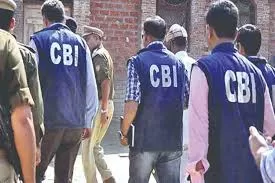
PATNA, BIHAR — In a move that underscores the gravity of a case straddling the lines of criminal investigation and a public health crisis, the Bihar government has officially transferred the probe into the death of an 18-year-old NEET aspirant to the Central Bureau of Investigation (CBI).
The student, a resident of Jehanabad district who moved to Patna’s coaching hub to pursue her dreams of becoming a doctor, died on January 11, 2026, five days after being found unconscious in her hostel room. While initial theories leaned toward suicide due to academic pressure, a series of forensic revelations—including the discovery of semen traces—and allegations of police negligence have ignited a firestorm of protests and a demand for systemic reform in how India protects its student population.
A Timeline of Tragedy and Suspicion
The timeline of the case suggests a harrowing descent from academic ambition to personal despair. On January 6, 2026, the student was discovered unresponsive at the Shambhu Girls Hostel in Patna’s Chitragupt Nagar area. She was rushed to Prabhat Memorial Hospital in critical condition. Despite intensive care, she succumbed on January 11.
Early medical reports suggested a drug overdose, specifically involving antidepressants. However, the narrative shifted dramatically following a Forensic Science Laboratory (FSL) analysis, which confirmed the presence of semen on the victim’s undergarments. This finding introduced a potential element of sexual assault, complicating the initial suicide theory.
Investigators recovered a personal diary and a mobile phone from the scene. Digital forensics revealed that on December 24, 2025, the student had searched for “cyanide” and “sleeping pills.” Her diary entries further painted a picture of a young woman under immense duress, detailing:
-
Academic Stress: The unrelenting pressure of the NEET (National Eligibility cum Entrance Test) preparation.
-
Interpersonal Conflict: Arguments with parents and siblings.
-
Past Trauma: References to previous relationships and long-standing suicidal ideation.
“The case is exceptionally complex,” stated Patna Senior Superintendent of Police (SSP) Kartikeya Sharma. “While the digital footprint suggests self-harm, the forensic evidence cannot be ignored. We must determine if external trauma precipitated the final act.”
Systemic Failures and the CBI Takeover
The transition to a CBI probe follows a period of intense public outcry. Local authorities faced sharp criticism for their initial handling of the case, leading to the suspension of two senior officers—the Additional SHO of Kadamkuan and the SHO of Chitragupt Nagar—for failing to preserve the crime scene and evidence promptly.
The victim’s family has alleged that local police initially pressured them to frame the death as a simple suicide, resisting the filing of a First Information Report (FIR). It was only after hospital alerts and mounting public pressure, including a 35-km protest march in Jehanabad, that the state recommended the CBI intervene to ensure an impartial investigation.
The “Coaching Hub” Crisis: A Public Health Perspective
This tragedy is not an isolated incident but a symptom of a burgeoning mental health crisis in India’s “coaching epicenters.” As cities like Patna and Kota (Rajasthan) draw hundreds of thousands of students annually, the psychological toll of these high-stakes environments has become a critical public health concern.
By the Numbers: Student Mental Health in India
According to National Crime Records Bureau (NCRB) data, student suicides in India have seen a steady climb, with over 13,000 cases reported in 2022—averaging more than 35 deaths per day. This represents a 4.5% increase from 2020.
Research into NEET and JEE (engineering) aspirants reveals:
-
82.5% of students report moderate-to-severe stress levels.
-
10% admit to experiencing suicidal thoughts.
-
Common psychosomatic symptoms include chronic headaches, insomnia, and digestive issues resulting from 6-8 hours of daily coaching sessions on top of self-study.
“NEET aspirants endure chronic anxiety from high-stakes outcomes; diary entries like these signal untreated distress,” says Dr. Amit Singh, a psychiatrist at AIIMS Patna who is not involved in the case. “We often treat these exams like a sprint when they are a marathon. Without integrated counseling within the coaching ecosystem, we are leaving students vulnerable to burnout and despair.”
Dr. Singh notes that India’s severe shortage of mental health professionals—0.3 psychiatrists per 100,000 people compared to 6.6 in developed nations—exacerbates the inability to provide timely intervention.
New Safety Mandates: Protecting the Vulnerable
In the wake of this incident, the Bihar Home Department issued comprehensive guidelines in February 2026 to regulate private hostels. The goal is to create a safer environment for outstation students who often live in unregulated accommodations.
| Requirement | Description |
| Supervision | Mandated 24/7 female wardens for girls’ hostels. |
| Surveillance | CCTV in all common areas with 30-day footage retention. |
| Verification | Mandatory police verification for all hostel staff. |
| Access Control | Biometric attendance and visitor logs requiring Aadhaar identification. |
| Emergency Prep | Prominent display of 112 emergency helplines and safety posters. |
Practical Advice for Families
Health experts suggest that families must play a more proactive role in monitoring the mental well-being of students away from home:
-
Look for Mood Shifts: Be alert to social withdrawal, changes in appetite, or “dark” humor regarding failure.
-
Encourage Vulnerability: Normalize the idea that failing an exam is not a failure of character.
-
Safety Tech: Ensure students are familiar with emergency apps like the ‘112’ helpline.
Limitations and the Path Forward
While the CBI investigation aims to provide closure, several questions remain. The discovery of semen traces introduces the possibility of sexual assault, yet the student’s digital history points toward a premeditated suicide. The challenge for investigators lies in determining if a physical assault was the “trigger event” for the suicide or if the two elements are part of a broader pattern of negligence at the hostel.
Critics argue that the CBI handover, while necessary, reflects a systemic failure of local policing. Furthermore, there is a risk that the criminal investigation might overshadow the equally important need for mental health reform within the education sector.
As the DNA profiling of suspects continues, the 2026 NEET cohort—estimated at several lakhs in Bihar alone—watches closely. This case has moved beyond a local crime story; it is now a litmus test for how India balances its academic ambitions with the fundamental rights of its youth to safety and mental well-being.
References
-
Medical Dialogues. (2026, February 4). NEET Aspirant death case: Bihar govt hands probe to CBI, cops suspended. [https://medicaldialogues.in/state-news/bihar/neet-aspirant-death-case-bihar-govt-hands-probe-to-cbi-cops-suspended-164040]
Medical Disclaimer: This article is for informational purposes only and should not be considered medical advice. Always consult with qualified healthcare professionals before making any health-related decisions or changes to your treatment plan. The information presented here is based on current research and expert opinions, which may evolve as new evidence emerges.