 0
0
 0
0
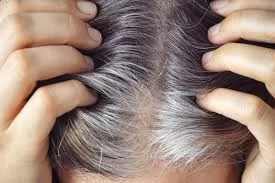
For millions of individuals experiencing hair loss, the quest for an effective solution often feels like a choice between expensive pharmaceutical drugs with potential side effects or cosmetic “miracle cures” that lack scientific backing. However, new laboratory research is shedding light on a third path: high-performance botanical science.
A recent study published in the journal Pharmaceuticals has identified a specific plant-based serum formulation that significantly accelerates hair follicle activity. In controlled laboratory settings, the organic compound demonstrated the ability to transition hair follicles from a resting phase to an active growth phase in a matter of weeks, offering a potential breakthrough for those seeking non-synthetic alternatives to traditional hair loss treatments.
The Science of the “Growth Switch”
Hair growth is not a continuous process but a cycle consisting of three main stages: anagen (growth), catagen (transition), and telogen (resting). Most forms of hair loss, including androgenetic alopecia (pattern baldness), occur when the anagen phase shortens and follicles remain stuck in the telogen phase for increasingly longer periods.
The new research focused on a proprietary blend of plant-derived signaling molecules designed to “wake up” these dormant follicles. According to the study, the serum works by modulating specific biochemical pathways—primarily the Wnt/β-catenin signaling pathway—which acts as a primary “on switch” for hair follicle regeneration.
In the lab tests, researchers observed that skin cells treated with the plant-based serum showed a marked increase in the proliferation of dermal papilla cells. These cells are located at the base of the hair follicle and are responsible for regulating hair thickness and the growth cycle. Within 21 days of application in ex vivo models, the follicles showed structural changes consistent with the start of a robust anagen phase.
Breaking Down the Botanical Powerhouse
While the term “plant-based” is often used loosely in the beauty industry, this study highlights the efficacy of specific bioactive compounds. The serum’s primary mechanism involves a combination of polyphenols and antioxidants derived from sources like Camellia sinensis (green tea) and specialized root extracts.
“What makes this research compelling is the shift from simple hydration to cellular signaling,” says Dr. Elena Rossi, a dermatologist specializing in trichology (the study of hair and scalp), who was not involved in the study. “Historically, botanical oils just coated the hair to prevent breakage. This research suggests we are finding plant compounds that can actually communicate with the follicle cells to stimulate growth at a molecular level.”
The study reported that the plant-based formula achieved results comparable to 5% Minoxidil—the gold standard for over-the-counter hair regrowth—but without the common side effects of scalp irritation or “shedding” phases often reported by pharmaceutical users.
Statistical Significance: The Numbers Behind the Growth
The laboratory findings provided several key data points that suggest high efficacy:
-
Cell Viability: Dermal papilla cell viability increased by over 30% compared to the control group.
-
Timeline: Significant follicle elongation was observed within 14 to 28 days of consistent application.
-
Gene Expression: The researchers noted a 2.5-fold increase in the expression of growth-related genes (VEGF and IGF-1) within the treated tissue.
These markers are critical because they suggest the serum isn’t just making existing hair look thicker, but is actually influencing the biological machinery required to produce new hair strands.
Context: The Rising Demand for “Clean” Clinicals
The interest in this research comes at a time when consumer preferences are shifting toward “clean” beauty and “green” pharmacy. According to data from the American Academy of Dermatology, approximately 80 million men and women in the United States suffer from hereditary hair loss. While Finasteride and Minoxidil remain the only FDA-approved drugs for the condition, many patients seek alternatives due to concerns regarding hormonal side effects or long-term chemical exposure.
However, experts urge a balanced perspective. While the lab results are impressive, translating “in vitro” (test tube) or “ex vivo” (sampled tissue) success to a living human scalp is a complex hurdle.
“A lab dish is a controlled environment,” notes Michael Hennessey, a clinical researcher in regenerative medicine. “In a real-world scenario, the serum has to penetrate the skin barrier, survive the scalp’s microbiome, and reach the follicle consistently. While this study is a massive win for botanical science, large-scale human clinical trials are the necessary next step to prove these ‘weeks’ of growth translate to a full head of hair.”
Practical Implications for Consumers
For those considering adding a plant-based serum to their routine, the research offers a roadmap for what to look for. Consumers should prioritize products that contain stabilized polyphenols and those that emphasize scalp health rather than just hair “shine.”
Consistency appears to be the most vital factor. In the study, the signaling molecules required daily application to maintain the chemical environment necessary for the follicles to remain in the anagen phase. If the treatment was interrupted, the “growth switch” signal weakened.
Furthermore, hair loss is often a symptom of internal health. Experts recommend that any topical treatment—botanical or pharmaceutical—be paired with a diet rich in protein, iron, and zinc to provide the “building blocks” the follicles need once they are stimulated.
Limitations and The Road Ahead
Despite the promising findings, the study authors acknowledged certain limitations. The research was primarily conducted on isolated follicles and cell cultures. Factors such as age-related follicle miniaturization, hormonal imbalances, and scarring alopecia may present challenges that a topical serum cannot solve alone.
Additionally, the study was focused on early-to-mid-stage hair thinning. For individuals where the hair follicle has completely senesced (died) and been replaced by scar tissue, topical stimulation is unlikely to yield results.
Conclusion
The discovery of a plant-based serum capable of boosting hair growth in a matter of weeks marks a significant milestone in natural medicine. It validates the idea that nature contains potent biochemical tools that, when refined through modern science, can rival synthetic alternatives. As the medical community awaits larger human trials, this research provides a science-backed glimmer of hope for those looking to restore their hair—and their confidence—through the power of plants.
Medical Disclaimer: This article is for informational purposes only and should not be considered medical advice. Always consult with qualified healthcare professionals before making any health-related decisions or changes to your treatment plan. The information presented here is based on current research and expert opinions, which may evolve as new evidence emerges.
References
- https://www.earth.com/news/plant-based-serum-shown-in-lab-tests-to-boost-hair-growth-in-weeks/