 0
0
 0
0
COLUMBIA, S.C. — Health officials in South Carolina are sounding the alarm as a localized measles cluster rapidly evolves into a significant public health event. The South Carolina Department of Health and Environmental Control (DHEC) confirmed on Tuesday that the number of measles cases in the state has climbed to 153, following the identification of nine new infections over a 24-hour period.
The outbreak, which began earlier this month, has centered primarily on Aiken County but is showing signs of geographic expansion. The rapid transmission of what is often called the “world’s most contagious virus” is testing the limits of local contact-tracing efforts and reigniting a national conversation regarding vaccination coverage and public health preparedness.
A Rapidly Evolving Situation
The surge in South Carolina represents one of the largest concentrated measles outbreaks in the United States in recent years. What began as a handful of cases among unvaccinated individuals has now grown to a triple-digit figure, with health officials warning that the peak may still be weeks away.
Measles is an airborne virus so infectious that it can linger in the air for up to two hours after an infected person has left a room. According to the Centers for Disease Control and Prevention (CDC), if one person has measles, up to 90% of the people close to that person who are not immune will also become infected.
“We are at a critical juncture in this outbreak,” said Dr. Edward Simmer, Director of DHEC, in a recent press briefing. “The increase of nine cases in a single day indicates that the virus is still finding pockets of vulnerability within our communities. Our primary goal is containment, but that requires full public cooperation.”
The Science of the Surge
To understand why 153 cases is a significant number, one must look at the “herd immunity” threshold. For a population to be protected against measles, approximately 95% of the community must be vaccinated with the Measles, Mumps, and Rubella (MMR) vaccine. When vaccination rates dip below this level, the “firewall” of community protection breaks down, allowing the virus to leap from person to person.
Recent data suggests that South Carolina, like several other states, has seen a marginal but impactful decline in routine childhood vaccinations following the COVID-19 pandemic.
“Measles is the ‘canary in the coal mine’ for public health,” says Dr. Amesh Adalja, a senior scholar at the Johns Hopkins Center for Health Security, who is not involved in the South Carolina response. “Because it is so contagious, it is the first disease to reappear when population immunity wanes. What we are seeing in South Carolina is a direct consequence of the erosion of vaccine confidence.”
Symptoms and Severity: More Than a Childhood Illness
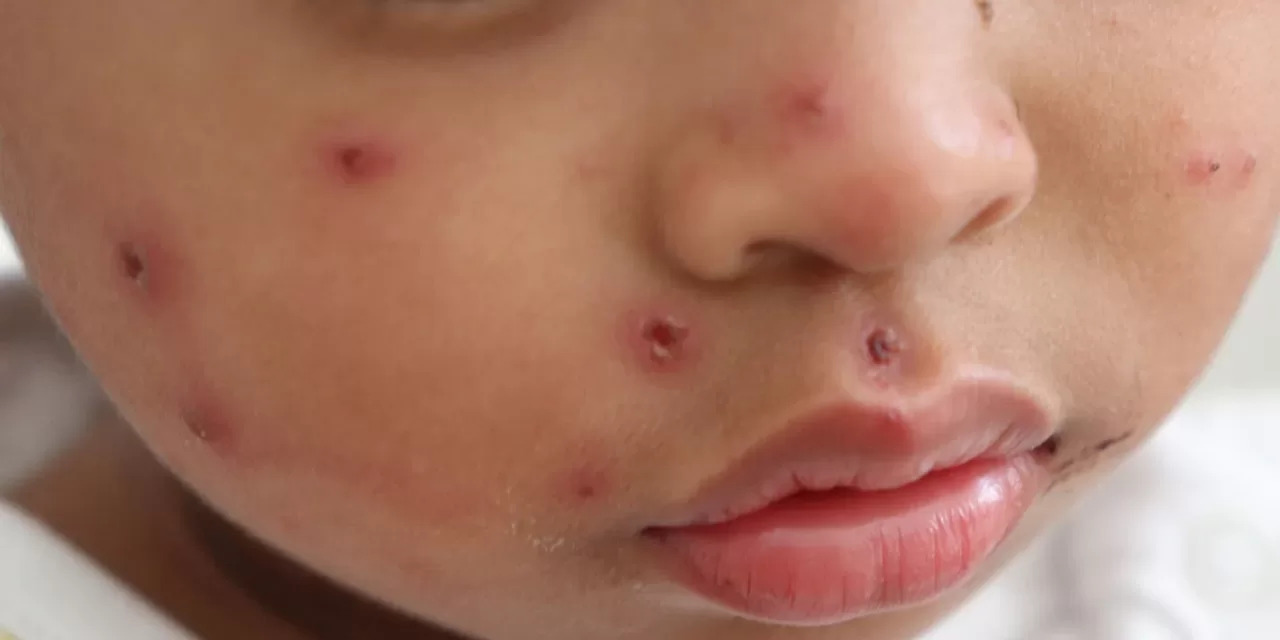
For many, the word “measles” conjures images of a temporary red rash and a fever. However, medical professionals warn that the reality can be much more severe. The disease typically begins with a high fever, cough, runny nose, and watery eyes (conjunctivitis), followed by the characteristic rash three to five days later.
The danger lies in the complications. According to CDC statistics:
-
1 in 5 unvaccinated people who get measles will be hospitalized.
-
1 in 20 children will develop pneumonia, the most common cause of death from measles in young children.
-
1 in 1,000 will develop encephalitis (swelling of the brain), which can lead to permanent hearing loss or intellectual disability.
“This is not just a rite of passage,” explains Dr. Sarah Lim, a pediatric infectious disease specialist. “Measles causes ‘immune amnesia,’ essentially wiping out the body’s memory of how to fight other pathogens. This leaves children vulnerable to other dangerous infections for months or even years after they recover from the measles itself.”
Public Health Response and Limitations
DHEC has mobilized “strike teams” to conduct contact tracing, identifying individuals who may have been exposed at schools, grocery stores, and healthcare facilities. However, the sheer volume of cases—153 and counting—presents a logistical nightmare.
The response is also facing modern hurdles: misinformation and vaccine hesitancy. While the MMR vaccine has been proven safe and effective over decades of use, public health officials are struggling to reach populations that have become skeptical of government health recommendations.
Furthermore, there is no specific antiviral treatment for measles. Management is largely supportive, focusing on hydration and the administration of Vitamin A, which has been shown to reduce the severity of the disease in children.
The Economic and Social Toll
The impact of the outbreak extends beyond the clinic. Schools in affected areas have seen fluctuating attendance, and hundreds of residents who cannot prove immunity have been asked to quarantine for 21 days—the incubation period of the virus.
For a family, a 21-day quarantine means three weeks of missed work and school, creating a financial burden that ripples through the local economy. For the state, the cost of managing a 153-case outbreak involves millions of dollars in laboratory testing, personnel hours, and emergency resources.
Looking Ahead: What Residents Need to Know
Health authorities are urging South Carolinians to check their immunization records. Two doses of the MMR vaccine are 97% effective at preventing measles; one dose is about 93% effective.
“If you are unsure of your status, there is no harm in getting another dose of the MMR vaccine,” says Dr. Simmer. “Alternatively, a simple blood test can confirm whether you have the necessary antibodies to protect yourself and your neighbors.”
As the state enters the holiday season, the risk of further spread increases with travel and indoor gatherings. Public health experts suggest that the South Carolina outbreak serves as a stark reminder that diseases once thought to be eliminated can return with a vengeance if vigilance is lost.
Medical Disclaimer: This article is for informational purposes only and should not be considered medical advice. Always consult with qualified healthcare professionals before making any health-related decisions or changes to your treatment plan. The information presented here is based on current research and expert opinions, which may evolve as new evidence emerges.
References
Primary Source:
-
Reuters. (2025, December 23). Measles cases in South Carolina rise by nine to 153, state health department says. https://www.reuters.com/business/healthcare-pharmaceuticals/measles-cases-south-carolina-rise-by-nine-153-state-health-department-says-2025-12-23/