 0
0
 0
0
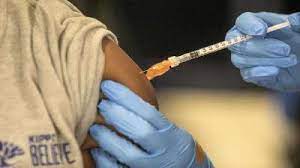
A standard prick in the arm to prevent a painful skin rash may be doing much more than protecting the surface of the skin. New research suggests that the shingles vaccine—long a staple of preventative care for older adults—might actually slow the rate at which our bodies age at a cellular level.
A study conducted by researchers at the University of Southern California (USC) Leonard Davis School of Gerontology found that individuals who received the shingles vaccine showed significantly slower “biological aging” compared to their unvaccinated peers. The findings, published in The Journals of Gerontology, add to a growing body of evidence suggesting that vaccines may offer systemic benefits that extend far beyond preventing a single infection.
The Difference Between the Calendar and the Cell
To understand the significance of the study, it is essential to distinguish between chronological age (the number of birthdays you’ve celebrated) and biological age (the physiological state of your cells and organ systems).
While two people may both be 70 years old, one may have the cardiovascular health and immune resilience of a 60-year-old, while the other faces the frailty of someone in their 80s. This discrepancy is driven by genetics, lifestyle, and environmental exposures—including the history of infections and the body’s inflammatory response to them.
“Biological age is a much more powerful predictor of health span and mortality than the date on your birth certificate,” says Dr. Jung Ki Kim, a research associate professor of gerontology at USC and lead author of the study. “Our goal was to see if a common clinical intervention, like a vaccine, could actually shift that biological trajectory.”
Decoding the Data: How the Study Was Conducted
The USC team utilized data from the Health and Retirement Study (HRS), a nationally representative cohort of U.S. adults. They analyzed a sample of over 3,800 individuals aged 70 and older, looking specifically at blood samples and physical assessments collected between 2008 and 2018.
The researchers tracked seven key markers of biological aging, including:
-
Inflammatory markers: High-sensitivity C-reactive protein (CRP).
-
Immune function: Ratios of different white blood cells.
-
Metabolic and Cardiovascular health: Blood pressure and cholesterol levels.
-
Genetic aging: Epigenetic “clocks” that measure chemical changes to DNA.
The results were striking. Even after accounting for socioeconomic factors, smoking status, and pre-existing health conditions, those who were vaccinated against shingles exhibited lower systemic inflammation, healthier immune profiles, and lower composite biological aging scores.
The ‘Inflammaging’ Connection
How can a vaccine designed to stop a virus (Varicella-zoster) also slow down aging? The answer likely lies in a phenomenon scientists call “inflammaging.”
As we age, the body often enters a state of chronic, low-grade inflammation. This isn’t the “good” inflammation that helps heal a scraped knee; rather, it is a persistent “simmer” that damages tissues over time, contributing to heart disease, cognitive decline, and frailty.
The shingles virus—the same virus that causes chickenpox in children—remains dormant in the nerve tissues for decades. When it reactivates, it causes shingles. However, experts believe that even when the virus isn’t causing a visible rash, the immune system may be constantly “fighting” to keep it suppressed, which fuels chronic inflammation.
“By helping to reduce this background inflammation—possibly by preventing the constant low-level reactivation of the virus—the vaccine may take the pressure off the immune system,” Dr. Kim explained. This “immune remodeling” allows the body to maintain its defenses without the wear and tear of constant high-alert status.
A New Era for Vaccines?
This USC study follows recent, separate findings that have linked shingles and influenza vaccinations to a reduced risk of Alzheimer’s disease and other forms of dementia.
“We are entering a phase of medicine where we see vaccines not just as ‘anti-infection’ tools, but as ‘pro-longevity’ tools,” says Dr. Marcus Hilliard, a geriatrician not involved in the USC study. “If a vaccine can modulate the immune system to be more efficient and less inflammatory, the ripple effects for public health are massive.”
While the USC study is robust, researchers note some limitations. The data is observational, meaning it shows a strong association but cannot definitively prove that the vaccine caused the slower aging. It is possible that individuals who choose to get vaccinated are more health-conscious in other ways that weren’t fully captured by the data. Furthermore, the study period (2008–2018) primarily involved the older live-attenuated vaccine (Zostavax), rather than the newer recombinant vaccine (Shingrix) currently in standard use.
What This Means for You
For the general public, the primary reason to get the shingles vaccine remains the prevention of a debilitating and painful condition. Shingles can lead to postherpetic neuralgia, a chronic nerve pain that can last for years.
However, the USC study provides an extra layer of motivation. “For patients who are on the fence, knowing that this might support their overall ‘health span’ and slow down biological decline is a very compelling argument,” says Dr. Hilliard.
The CDC currently recommends two doses of the Shingrix vaccine for adults aged 50 and older, as well as for adults 19 and older who have weakened immune systems.
Key Takeaways for Consumers:
-
Consult your doctor: If you are over 50, check your vaccination status.
-
Think systemic: Protecting yourself from specific viruses may have “off-target” benefits for your heart and brain.
-
Track your ‘Health Span’: Focus on habits that lower chronic inflammation, such as a Mediterranean-style diet, regular movement, and timely vaccinations.
As research continues, the medical community hopes to determine if other routine vaccinations provide similar anti-aging benefits, potentially turning the pharmacy’s “flu shot clinic” into a cornerstone of longevity medicine.
References
-
Kim, J. K., & Crimmins, E. M. (2024). Association between shingles vaccination and slower biological aging: Evidence from a U.S. population-based cohort study. The Journals of Gerontology, Series A: Biological Sciences and Medical Sciences.
Medical Disclaimer: This article is for informational purposes only and should not be considered medical advice. Always consult with qualified healthcare professionals before making any health-related decisions or changes to your treatment plan. The information presented here is based on current research and expert opinions, which may evolve as new evidence emerges.