 0
0
 0
0
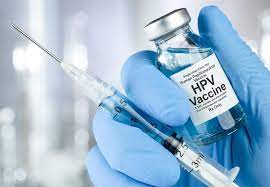
STOCKHOLM — A landmark study published Tuesday in The Lancet Public Health has revealed that robust, school-based immunization programs against Human Papillomavirus (HPV) do more than just protect the students receiving the shot. Researchers at the Karolinska Institutet have found that these programs create a powerful “herd immunity” effect, slashing the risk of pre-cancerous cervical lesions even among women who never received the vaccine.
The findings, based on decades of Swedish national registry data, suggest that high-coverage vaccination initiatives in schools are one of the most effective tools available for eradicating cervical cancer at a population level.
The Ripple Effect of School-Based Immunization
While it has long been established that the HPV vaccine is highly effective at preventing the strains of the virus responsible for most cervical cancers, the extent of its secondary protection—known as herd immunity—has been a subject of ongoing research.
The study analyzed data from over 800,000 unvaccinated women born between 1985 and 2000. By tracking these women through Sweden’s comprehensive health registries, researchers were able to compare the rates of cervical “pre-cancer” (serious cell changes that can lead to cancer) across different generations exposed to varying vaccination strategies.
The results were striking: Unvaccinated women born in 1999 and 2000—who grew up when school-based vaccination programs were standard—had roughly half the risk of developing serious pre-cancerous cervical changes compared to unvaccinated women born in the mid-1980s, a time when vaccines were only available “opportunistically” for those who sought them out.
“This finding shows that the herd effect can be achieved through high-coverage HPV vaccination,” says Eva Meglic, a lead researcher at the Karolinska Institutet. “School-based HPV vaccination programmes play an important role as a cost-effective strategy to reduce cervical disease and cancer risk not only in vaccinated individuals, but across entire populations.”
Understanding the “Herd” Connection
HPV is the most common sexually transmitted infection (STI) globally. While most infections clear on their own, persistent infection with high-risk strains can cause cells in the cervix to become abnormal. If left untreated, these “pre-cancerous” cells can progress to invasive cervical cancer.
The concept of herd immunity works by breaking the chain of transmission. When a large percentage of a population (the “herd”) is immune to a virus, the virus has fewer hosts to inhabit. This makes it much less likely that an unvaccinated person will come into contact with an infected individual.
Comparing Vaccination Strategies
The Swedish study categorized the birth cohorts into four distinct phases of vaccine rollout:
-
Opportunistic (1985–1988): Low uptake; individuals had to seek and pay for the vaccine.
-
Subsidized (1989–1992): Increased access through partial funding.
-
Catch-up (1993–1998): Programs aimed at older teens and young adults.
-
School-based (1999–2000): Universal, organized programs targeting younger students.
The data showed that as the strategy moved toward organized, school-based delivery, the incidence of disease dropped significantly even for those who opted out of the injection.
Expert Perspectives: A Public Health “Gold Standard”
Medical professionals not involved in the Karolinska study suggest these findings should influence global health policy, particularly in regions where vaccine hesitancy or logistical barriers remain high.
“School-based programs remove the ‘opt-in’ friction that often hinders public health efforts,” says Dr. Sarah Thompson, a preventive medicine specialist (not affiliated with the study). “When you immunize at the school level, you achieve the high saturation levels necessary to actually starve the virus of a population to live in. This study proves that a rising tide really does lift all boats.”
However, experts also urge caution in interpreting the data. Because this was an observational study, researchers noted that other factors could have influenced the results. Changes in sexual behavior, more frequent cervical screening (Pap tests), and better access to healthcare over the last 20 years may also have contributed to the decline in pre-cancerous cases.
What This Means for Parents and Policy Makers
For parents, the message is twofold. First, the vaccine remains the most reliable way to protect an individual child from cancer. Second, by participating in school programs, they are contributing to a safer environment for everyone’s children—including those who may be unable to get vaccinated due to medical reasons.
For health authorities, the Swedish data serves as a blueprint. Many countries, including India and parts of the United States, have seen varying degrees of success with HPV vaccination. The “Swedish Model” suggests that moving away from a clinic-based approach toward a centralized school-based approach yields the greatest return on investment.
Key Takeaways for the Public:
-
High Coverage is Key: Herd immunity only kicks in when a significant majority of the population is vaccinated.
-
Screening is Still Essential: Even with herd immunity, regular cervical screening remains vital for all women, regardless of vaccination status.
-
Long-term Protection: The benefits of these programs are seen years—even decades—after the initial injection.
The Path Forward
The World Health Organization (WHO) has set a global goal to eliminate cervical cancer as a public health problem. To reach this, the “90-70-90” target by 2030 requires 90% of girls to be fully vaccinated by age 15.
The Karolinska Institutet study provides the evidence-based “why” behind these targets. By focusing on universal school initiatives, society can protect not just the individual, but the community at large, moving us one step closer to a world where cervical cancer is a disease of the past.
Reference Section
- https://ommcomnews.com/science-tech/school-based-hpv-vaccination-programmes-boost-herd-immunity-study/
Medical Disclaimer: This article is for informational purposes only and should not be considered medical advice. Always consult with qualified healthcare professionals before making any health-related decisions or changes to your treatment plan. The information presented here is based on current research and expert opinions, which may evolve as new evidence emerges.