 0
0
 0
0
In a landmark decision that could redefine the landscape of metabolic medicine, the U.S. Food and Drug Administration (FDA) has approved the first high-dose oral version of semaglutide for chronic weight management. The approval, announced late Monday, grants pharmaceutical giant Novo Nordisk the green light to market a pill form of the medication previously available only as the blockbuster injectable treatments Wegovy and Ozempic.
For millions of Americans living with obesity, the shift from a weekly injection to a once-daily tablet represents more than just a matter of convenience; it signals a potential shift in how the healthcare system addresses a primary driver of chronic disease.
Breaking the “Injection Barrier”
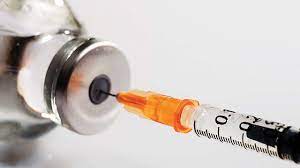
Since the 2021 approval of Wegovy, GLP-1 (glucagon-like peptide-1) receptor agonists have transformed the treatment of obesity. These medications mimic a hormone that targets areas of the brain that regulate appetite and food intake. However, despite their efficacy, many patients remain hesitant to use “injectables” due to needle phobia, storage requirements, or the social stigma associated with self-injection.
“The approval of an oral high-dose semaglutide is a pivotal moment in obesity care,” says Dr. Elena Rodriguez, an endocrinologist and obesity medicine specialist not involved in the drug’s development. “By removing the ‘needle barrier,’ we can potentially reach a much broader patient population earlier in their disease progression, preventing the long-term complications of obesity like Type 2 diabetes and cardiovascular disease.”
The newly approved pill is a higher-dose version of Rybelsus, which was previously approved at lower doses (7mg and 14mg) specifically for the treatment of Type 2 diabetes. The new formulation is designed specifically to achieve the significant weight loss results seen with high-dose injections.
The Data: How the Pill Compares
The FDA’s approval was bolstered by data from the OASIS 1 clinical trial, a 68-week study involving 667 adults with obesity or overweight with at least one weight-related complication.
The results were striking:
-
Weight Loss: Participants taking the 50mg daily oral semaglutide lost an average of 15.1% of their body weight, compared to just 2.4% in the placebo group.
-
Categorical Success: Nearly 85% of those on the oral medication lost 5% or more of their body weight, a threshold clinicians consider “clinically meaningful” for improving metabolic health.
-
Secondary Benefits: Researchers noted improvements in waist circumference, blood pressure, and cholesterol levels among the treatment group.
While the 15% weight loss is comparable to the results seen in Wegovy’s clinical trials, medical experts note that the oral version requires strict adherence to specific “dosing rules” to be effective. The medication must be taken on an empty stomach with no more than four ounces of plain water, at least 30 minutes before any other food, drink, or oral medications.
Addressing Side Effects and Accessibility
The move to a pill does not eliminate the side effects commonly associated with GLP-1 medications. According to the trial data, the most common adverse events were gastrointestinal, including nausea, vomiting, and diarrhea. These symptoms were typically mild to moderate and occurred most frequently during the dose-escalation phase.
Beyond biology, the primary concern for many health-conscious consumers is “pharmacy-counter sticker shock.” While Novo Nordisk has not yet finalized the list price for the high-dose oral version, oral medications in this class have historically faced similar coverage hurdles as their injectable counterparts.
“An effective pill is only a breakthrough if patients can actually afford it,” says Sarah Jenkins, a public health policy analyst. “We are currently seeing a tug-of-war between insurers and manufacturers. While a pill may eventually be cheaper to manufacture and distribute than a refrigerated injector pen, initial costs are expected to remain high.”
Furthermore, the pharmaceutical industry is still reeling from supply chain shortages. Novo Nordisk has stated it is investing billions to expand manufacturing capacity, but it remains to be seen if the introduction of an oral version will alleviate or exacerbate the current demand-supply imbalance.
The Expert Perspective: A Tool, Not a Cure
Medical professionals are quick to caution that while this “weight-loss pill” is a powerful tool, it is not a “magic bullet.”
“The most successful patients are those who view these medications as a scaffold,” says Dr. Rodriguez. “The pill suppresses appetite, but the patient must still do the work of improving nutritional quality and maintaining muscle mass through resistance training. Without these lifestyle pillars, patients risk losing significant lean muscle, which can lower their metabolic rate in the long run.”
There are also ongoing discussions regarding “permanence.” Current data suggests that obesity is a chronic condition, much like hypertension. Most patients who stop taking GLP-1 medications—whether oral or injectable—tend to regain a significant portion of the weight once the hormonal suppression is removed.
What This Means for You
For the average consumer, the FDA approval introduces a new choice in the “menu” of obesity treatments. If you have been hesitant to start treatment due to a fear of needles, or if you travel frequently and find refrigerated injections cumbersome, the oral option may be a viable alternative.
However, the medical community recommends several steps before seeking a prescription:
-
Consult a Specialist: Seek out a physician board-certified in obesity medicine who can evaluate your metabolic profile.
-
Check Insurance: Contact your provider to see if “chronic weight management” is a covered benefit under your specific plan.
-
Plan for the Long Term: Consider whether you are prepared for a daily medication regimen and the potential for long-term use.
As the 2025 medical landscape evolves, the shift toward oral metabolic therapies marks a significant chapter in the fight against the obesity epidemic—turning a complex biological intervention into a simple morning routine.
Medical Disclaimer: This article is for informational purposes only and should not be considered medical advice. Always consult with qualified healthcare professionals before making any health-related decisions or changes to your treatment plan. The information presented here is based on current research and expert opinions, which may evolve as new evidence emerges.
References
Primary Study: Knop FK, et al. “Oral semaglutide 50 mg taken once daily in adults with overweight or obesity (OASIS 1): a randomised, double-blind, placebo-controlled, phase 3 trial.” The Lancet, 2023. DOI: 10.1016/S0140-6736(23)01185-6.
- https://www.reuters.com/sustainability/boards-policy-regulation/novo-nordisk-wins-us-approval-weight-loss-pill-2025-12-22/