 0
0
 0
0
KODINHI, KERALA — In the lush, palm-fringed village of Kodinhi in Kerala’s Malappuram district, the sight of identical faces is so common it has ceased to be a novelty. Known globally as India’s “Twin Town,” Kodinhi boasts one of the highest twinning rates in the world—roughly 45 sets of twins for every 1,000 live births, a figure nearly six times the national average.
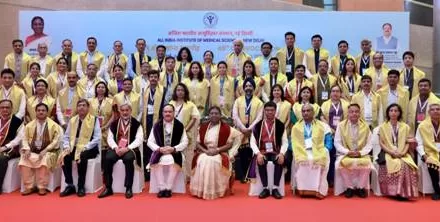
While geneticists and anthropologists have long flocked here to solve the “mystery” of why so many twins are born in this specific geography, a new collaborative study from the All India Institute of Medical Sciences (AIIMS) Bhopal and AIIMS Bhubaneswar has shifted the lens from the “why” to the “how.” Specifically, how do mothers in this unique enclave navigate the monumental physical and emotional hurdles of nourishing two infants at once?
The findings, released this Wednesday, offer a sobering look at the realities of maternal health in high-twinning regions. The researchers found that while the dedication of these mothers is extraordinary, the systemic support available to them is critically thin.
The Twin Burden: A Public Health Challenge
Twin pregnancies are inherently high-risk. Statistically, twins are significantly more likely to be born prematurely, suffer from low birth weight, and face a higher susceptibility to neonatal infections. For these vulnerable infants, exclusive breastfeeding for the first six months is not just a nutritional choice; it is a life-saving intervention.
“Twins represent a unique challenge for public health,” says Dr. Geeta Bhardwaj, Assistant Professor at AIIMS Bhopal and lead researcher of the study. “The biological demand of producing enough milk for two, coupled with the sheer exhaustion of round-the-clock care, creates a gap between medical recommendations and reality.”
The study, co-authored by Dr. M.V. Smitha of AIIMS Bhubaneswar, reveals a startling statistic: only 4% of mothers in Kodinhi were able to exclusively breastfeed their twins for the recommended first six months.
Fatigue, Fear, and the ‘Supply’ Myth
The research identifies a “perfect storm” of factors that hinder exclusive breastfeeding among mothers of twins:
-
Physical Exhaustion: Nearly 70% of mothers reported significant, debilitating fatigue.
-
Perceived Insufficiency: A recurring theme was the “fear of low milk supply”—the psychological anxiety that a mother cannot produce enough volume for two babies.
-
Logistical Complexity: The physical difficulty of positioning and handling two infants simultaneously during feeding.
Despite these hurdles, the study found a silver lining of “remarkable dedication.” While exclusive breastfeeding rates were low, many mothers practiced tandem breastfeeding (feeding both babies at the same time) and continued some form of breastfeeding for one to two years.
“The research brings attention to the real-life challenges and remarkable dedication of these mothers,” said Dr. Madhabananda Kar, Executive Director of AIIMS Bhopal. “It highlights that even when ‘perfect’ exclusive breastfeeding isn’t achieved, the effort to provide any amount of breast milk offers substantial benefits to the twins.”
Expert Perspectives: Moving Beyond the ‘Six-Month’ Standard
Outside experts suggest that the Kodinhi study should serve as a wake-up call for how healthcare providers communicate with mothers.
“We often set an ‘all or nothing’ standard for breastfeeding,” says Dr. Ananya Gupta, a maternal health consultant not involved in the AIIMS study. “For a mother of twins, that pressure can be counterproductive. This study proves that we need to pivot toward ’empathetic support’—validating their fatigue and teaching them practical positions like the ‘double football hold’ rather than just reciting guidelines.”
Implications for Public Health and Families
The insights gained from Kodinhi are applicable far beyond the borders of Kerala. As assisted reproductive technologies (ART) increase twin birth rates globally, the lessons from “Twin Town” provide a blueprint for better maternal care:
-
Early Intervention: Lactation counseling should begin during the second trimester of twin pregnancies.
-
Practical Training: Hospitals must move beyond theory and provide hands-on training for simultaneous feeding techniques.
-
Emotional Scaffolding: Healthcare workers must be trained to recognize signs of burnout and “breastfeeding guilt” in mothers of multiples.
“Experiences from high-twinning regions like Kodinhi can help health workers and families provide better, more empathetic support,” Dr. Bhardwaj noted. The study emphasizes that health personnel should openly appreciate a mother’s efforts, even if they supplement with formula, to maintain the mother’s mental well-being.
Limitations and Future Research
While the Kodinhi study provides deep qualitative insights, researchers acknowledge its limitations. The study focused on a specific cultural demographic in Kerala, which has a high literacy rate and a robust local health system (the “Kerala Model”). How these findings translate to regions with less healthcare infrastructure remains a subject for future investigation. Furthermore, the biological “mystery” of Kodinhi’s twinning rate—often attributed to diet or water—remains unlinked to the breastfeeding outcomes in this specific paper.
Conclusion
Kodinhi may remain a curiosity for the world because of its twins, but for the medical community, it is now a classroom for maternal resilience. The AIIMS research underscores a vital truth: behind every pair of twins is a mother navigating a marathon of endurance. Supporting her is not just about nutrition; it is about recognizing the limits of the human body and the strength of the maternal bond.
Reference Section
- https://ommcomnews.com/india-news/bhopal-aiims-doctor-conduct-research-maternal-health-in-keralas-twin-town/
Medical Disclaimer: This article is for informational purposes only and should not be considered medical advice. Always consult with qualified healthcare professionals before making any health-related decisions or changes to your treatment plan. The information presented here is based on current research and expert opinions, which may evolve as new evidence emerges.