 0
0
 0
0
In the pursuit of managing chronic disease and improving physical performance, science has long focused on the “obvious” players: the pancreas for diabetes and the muscles for exercise. However, two groundbreaking studies published this week are turning medical conventional wisdom on its head.
From the thin air of high-altitude peaks to the deep neural pathways of the hypothalamus, researchers have identified two unexpected heroes in human health—the red blood cell and a specific cluster of brain cells. These findings could pave the way for “metabolic sponges” that soak up excess blood sugar and neurological “boosters” that help the elderly achieve the benefits of a marathon without leaving their chairs.
The “Glucose Sponge”: Red Blood Cells as a New Frontier for Diabetes
For decades, epidemiologists have noted a curious trend: populations living at high altitudes, such as those in the Andes or the Himalayas, have significantly lower rates of type 2 diabetes compared to those living at sea level. Until now, the “why” remained a mystery.
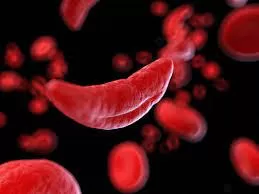
Research from the Gladstone Institutes, published in Cell Metabolism, has finally identified the mechanism. It turns out that under low-oxygen conditions (hypoxia), red blood cells (RBCs) undergo a metabolic shift, transforming into what researchers call “glucose sponges.”
A Shift in Metabolism
Normally, we view red blood cells primarily as delivery vehicles for oxygen. However, when oxygen is scarce, the body doesn’t just produce more RBCs; it changes how those cells function. To deliver oxygen more efficiently in a high-altitude environment, these cells require more energy. To get it, they begin to “sink” or pull massive amounts of glucose directly from the bloodstream.
“When we gave sugar to these mice [in low-oxygen environments], it disappeared from their bloodstream almost instantly,” said Dr. Yolanda Martí-Mateos, a lead author of the study. After ruling out the liver, muscles, and brain, her team confirmed that the RBCs themselves were the “sink” consuming the sugar.
From Mountains to Medicine: HypoxyStat
To translate this discovery into a clinical application, the team developed a drug called HypoxyStat. The medication mimics the effects of high altitude by causing hemoglobin to hold onto oxygen more tightly. This creates a “local” low-oxygen signal that triggers red blood cells to begin vacuuming up sugar.
In mouse models, HypoxyStat was found to be more effective at reversing high blood sugar than several existing frontline diabetes medications.
“This opens the door to thinking about diabetes treatment in a fundamentally different way,” says Dr. Isha Jain, study co-author and investigator at Gladstone. “Instead of focusing solely on insulin or the pancreas, we can recruit the most abundant cells in the blood to do the work for us.”
The Brain-Muscle Connection: Why Stamina Isn’t Just in the Legs
While one team was hacking blood sugar, another at The Jackson Laboratory was investigating the limits of human stamina. Their findings, published in the journal Neuron, suggest that “hitting the wall” during exercise might happen in the brain long before it happens in the muscles.
The SF1 Neuron Discovery
The study identifies a specific cluster of neurons in the hypothalamus that express a protein called steroidogenic factor-1 (SF1). Researchers found that these neurons become highly active for about an hour after exercise.
The surprise? If these neurons are silenced, the physical benefits of exercise vanish.
“The idea that muscle remodeling requires the output of these brain neurons is a pretty big surprise,” says Dr. Erik Bloss, lead researcher at The Jackson Laboratory. “It challenges the thinking that exercise benefits come solely from the muscles.”
Building the “Circuit of Endurance”
As mice trained over several weeks, the connections between these SF1 neurons grew stronger. Mice with active SF1 circuits showed a 100% increase in neural connectivity compared to sedentary mice. When these neurons were artificially stimulated, the mice gained even more endurance than they would have through running alone. Conversely, when the neurons were “turned off,” the mice lost interest in exercise and their physical stamina plummeted.
Public Health Implications: A Future for the “Exercise-Limited”
For the 38 million Americans living with diabetes and the millions more facing age-related frailty, these discoveries offer more than just academic interest.
1. New Horizons for Diabetes
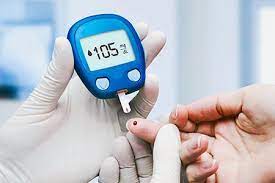
Current diabetes treatments often carry risks of hypoglycemia (dangerously low blood sugar) or gastrointestinal distress. A treatment that utilizes the body’s own red blood cells could offer a more stable, systemic way to manage glucose levels without the “peaks and valleys” associated with traditional insulin therapy.
2. Mimicking Exercise for the Elderly
The discovery of the SF1 circuit suggests that we might one day be able to “mimic” the neurological signals of exercise.
“This could be particularly valuable for older adults or people with mobility limitations,” Dr. Bloss explains. “If we can enhance exercise-like patterns in the brain, they could still benefit from the protective effects of exercise on the body.”
Expert Perspective: A Word of Caution
While the results are promising, independent experts urge a balanced view. Dr. Aris Phoukas, an endocrinologist not involved in the Gladstone study, notes that human trials are the next critical hurdle.
“Mice metabolism is significantly faster than human metabolism,” says Dr. Phoukas. “While the ‘glucose sponge’ effect is a brilliant biological find, we must ensure that inducing a low-oxygen state—even through medication—doesn’t have adverse effects on heart tissue or cognitive function over the long term.”
Similarly, neurological stimulation in humans is a complex field. While stimulating SF1 neurons worked in mice, the human hypothalamus is involved in a vast array of hormonal regulations. Any “exercise pill” targeting this area would need to undergo rigorous safety testing to avoid disrupting sleep, appetite, or temperature regulation.
What This Means for You
For now, the best way to activate these pathways remains traditional:
-
For Glucose Management: Maintain a diet rich in complex carbohydrates and follow your physician’s prescribed medication plan.
-
For Endurance: Consistency is key. The Jackson Laboratory study showed that neural circuits “strengthen” over weeks of training, suggesting that the mental “will” to exercise is a muscle in itself that improves with practice.
As research moves toward human clinical trials, the medical community is hopeful that the next generation of treatments will look less like a chemical intervention and more like a biological optimization.
Statistical Context: Diabetes and Exercise
-
Diabetes Prevalence: According to the CDC, approximately 11.6% of the U.S. population has diabetes.
-
Altitude Impact: Studies have shown that residents at altitudes above 1,500 meters have a 12-25% lower risk of developing Type 2 diabetes compared to sea-level residents.
-
Exercise Adherence: Only 24% of U.S. adults fully meet the CDC’s physical activity guidelines, highlighting the need for supplemental therapies for those with mobility issues.
References
- https://ddnews.gov.in/en/link-between-low-oxygen-and-reduced-blood-sugar-could-yield-new-diabetes-treatments/
Medical Disclaimer: This article is for informational purposes only and should not be considered medical advice. Always consult with qualified healthcare professionals before making any health-related decisions or changes to your treatment plan. The information presented here is based on current research and expert opinions, which may evolve as new evidence emerges.