 0
0
 0
0
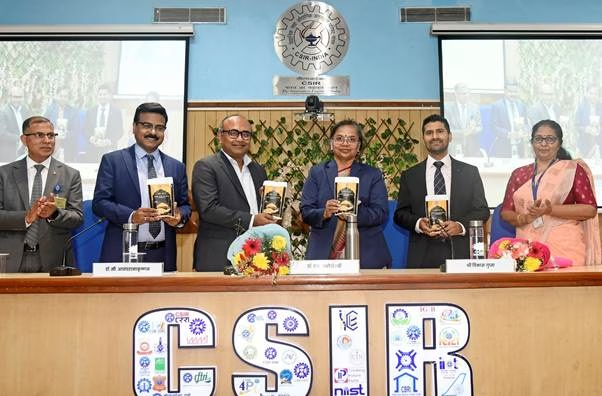
NEW DELHI — In a move set to bridge the gap between high-level scientific research and everyday consumer health, the CSIR–National Institute for Interdisciplinary Science and Technology (CSIR–NIIST) successfully transferred 11 breakthrough technologies to industry partners this week. The “Lab to Market” event, held at CSIR Headquarters, signals a strategic shift in how India’s premier research bodies are tackling national health crises, including rising rates of diabetes, anemia, and hypertension.
Dr. (Mrs.) N. Kalaiselvi, Secretary of the Department of Scientific and Industrial Research (DSIR) and Director General of CSIR, characterized the initiative as a transition to “R&D Innovation.” This approach prioritizes market-driven solutions over traditional academic curiosity. “Research institutions must focus not only on knowledge generation but also on translation, validation, scalability, and commercialization to ensure societal benefit,” Dr. Kalaiselvi stated during the event.
Combatting the “Twin Epidemics”: Diabetes and Anemia
Among the most significant transfers is a novel variety of high-protein, low-glycemic index (GI) rice. As India continues to grapple with the dual burden of malnutrition and metabolic disease, this technology offers a practical intervention through a staple food.
The newly developed rice is enriched with critical micronutrients: iron, folic acid, and Vitamin B12. These additions are specifically designed to target anemia, a condition affecting over 50% of women of reproductive age in India. Unlike standard white rice, which typically has a high GI (often above 70), this fortified variety maintains a lower GI profile, meaning it releases sugar into the bloodstream more slowly.
Why Low-GI Matters for You:
-
Blood Sugar Stability: Foods with a low GI help prevent the rapid insulin spikes associated with Type 2 diabetes.
-
Sustained Energy: Slow-release carbohydrates provide more consistent energy levels throughout the day.
-
Weight Management: Lower GI foods are often linked to increased satiety, helping to reduce overeating.
“This is a ‘festival of technology transfers,'” said Dr. C. Anandharamakrishnan, Director of CSIR–NIIST. He emphasized that the institute’s protein-enriched rice retains the traditional cooking and sensory properties that consumers expect, removing the “taste barrier” that often hinders the adoption of health-focused grains.
Slashing Sodium: A New Weapon Against Hypertension
Hypertension remains a leading risk factor for cardiovascular disease in India. To address this, CSIR–NIIST introduced a low-sodium salt technology. While conventional salt is nearly pure sodium chloride, this new formulation significantly reduces sodium content without sacrificing the “salty” flavor profile essential for palatability.
Recent studies published in journals like JAMA have shown that even a modest reduction in daily sodium intake—roughly one teaspoon—can lower systolic blood pressure by about 6 mm Hg, an effect comparable to some first-line medications. By integrating this technology into common household salt, the health system could see a major reduction in stroke and heart attack risks at a population level.
Innovation on the Menu: From Foam to Vegan Leather
The event also showcased several lifestyle and industrial innovations that intersect with public health and sustainability:
-
Instant Coffee Foam: A novel technology that creates sustained foam at high temperatures without the need for milk—a potential boon for those with lactose intolerance or those seeking lower-calorie beverage options.
-
Vegan Leather: Developed as a sustainable alternative to animal hides, this material reduces the environmental toxins and heavy metals typically used in traditional tanning processes, which are known to pose respiratory and skin risks to workers.
-
Composting Bio-medium (JAIVAM): Aimed at improving sanitation and waste management, which are foundational to public health.
The Road Ahead: Challenges and Expert Perspectives
While the “Lab to Market” initiative is a landmark success, independent experts suggest that the real test lies in commercial accessibility.
“Technology transfer is only the first step,” says Dr. Aranya Sen, a public health policy consultant not involved in the CSIR project. “The challenge for the industry partners will be to keep these fortified products affordable for the low-income populations that need them most. If high-protein rice is priced as a ‘premium’ product, its impact on the national anemia burden will be limited.”
Furthermore, while fortified foods are effective, some researchers caution that they should complement—not replace—a diverse diet rich in naturally occurring vitamins and minerals.
Public Health Implications at a Glance
| Technology | Health Focus | Potential Impact |
| Enriched Rice | Anemia & Diabetes | Improved hemoglobin levels; better glucose control. |
| Low-Sodium Salt | Hypertension | Reduced risk of stroke and cardiovascular disease. |
| Vegan Leather | Environment/Occupational | Lower exposure to toxic tanning chemicals. |
| JAIVAM Composting | Sanitation | Reduced spread of food and water-borne pathogens. |
What This Means for Consumers
For the average reader, these developments mean that “functional foods”—foods specifically designed to improve health—will soon become more prevalent on grocery store shelves. When these products hit the market, look for the FSSAI+ fortified logo or specific “Low-GI” certifications to ensure you are purchasing the validated technology.
As CSIR–NIIST expands its “Innovation, Technology and Entrepreneurship Hub,” the pipeline from high-end lab to your kitchen table is expected to move faster than ever.
Medical Disclaimer: This article is for informational purposes only and should not be considered medical advice. Always consult with qualified healthcare professionals before making any health-related decisions or changes to your treatment plan. The information presented here is based on current research and expert opinions, which may evolve as new evidence emerges.
References
- https://www.pib.gov.in/PressReleasePage.aspx?PRID=2230180®=3&lang=1