 0
0
 0
0
DURGAPUR, West Bengal — The tragic death of a 21-year-old medical student in West Bengal has sent shockwaves through the healthcare education community, reigniting a critical national conversation regarding the intense psychological pressures faced by future doctors.
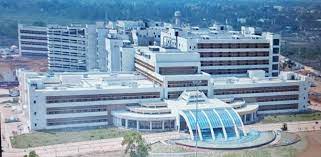
On Saturday night, the body of a second-year MBBS student, originally from Patna, was discovered in his hostel room at a private medical college in Durgapur. While local police have moved the body for a post-mortem examination to confirm the exact cause of death, preliminary inquiries suggest suicide. The student had reportedly been under significant mental stress following a setback in a recent semester examination.
This incident is not an isolated tragedy; it is a symptom of a systemic challenge. As India continues to expand its medical education infrastructure, experts warn that the “hidden curriculum” of high-stakes testing, sleep deprivation, and the stigma surrounding mental health may be reaching a breaking point.
The Pressure Cooker: Understanding the Data
The rigors of medical school are legendary, but recent statistics suggest the burden is becoming unsustainable for many. According to data provided by the National Medical Commission (NMC) to the Indian Parliament, 68 medical students died by suicide between 2020 and 2022 across 531 colleges.
Globally, the situation is equally dire. The World Health Organization (WHO) identifies suicide as the third leading cause of death among individuals aged 15–29. For medical students, this risk is compounded by:
-
Academic Hyper-competition: Constant evaluation and the fear of “failing out” of a prestigious career path.
-
Clinical Exposure: Early contact with human suffering and death without adequate emotional processing tools.
-
Isolation: Many students, like the youth in Durgapur, live far from home and lack immediate familial support systems.
A 2024 review published in PMC highlights that medical students report significantly higher rates of anxiety and depressive symptoms compared to the general population. The study emphasizes that while not every student meets the criteria for a clinical disorder, the baseline of “distress” is dangerously high.
Beyond the Exam Result: The Multi-factorial Nature of Crisis
While early reports often point to an exam failure as a “trigger,” mental health professionals caution against oversimplification.
“When a student is already vulnerable, an academic setback can feel catastrophic—especially if they believe it will permanently define their future,” says Dr. Om Prakash, Professor of Psychiatry at the Institute of Human Behaviour and Allied Sciences (IHBAS). Dr. Prakash, who was not involved in the Durgapur case, notes that suicidal behavior is typically a complex mix of environmental stressors, individual health, and a perceived lack of escape.
Red Flags for Peers and Faculty
Clinicians emphasize that prevention starts with early recognition. Changes that should prompt a “check-in” include:
-
Withdrawal: Avoiding social gatherings or hostel common areas.
-
Functional Decline: A sharp drop in attendance or personal hygiene.
-
Verbal Cues: Speaking about being a “burden” or expressing hopelessness about the future.
-
Biological Changes: Significant shifts in sleep patterns or appetite.
Institutional Responsibility: From Resilience to Systemic Support
The WHO’s LIVE LIFE implementation guide for suicide prevention moves away from simply telling students to be “more resilient.” Instead, it advocates for institutional changes:
-
Limiting Access to Means: Ensuring hostel environments are designed with safety in mind.
-
Early Intervention: Establishing “low-barrier” pathways to care where students can seek help without fear of it appearing on their academic record.
-
Life Skills Training: The Indian government has recently integrated yoga and “Foundation Courses” into the MBBS curriculum to foster stress management.
| Prevention Strategy | Institutional Action |
| Stigma Reduction | Regular, mandatory mental health literacy workshops. |
| Mentorship | Assigning small groups of students to a faculty mentor for non-academic support. |
| Crisis Care | 24/7 confidential helplines and on-campus counselors. |
Practical Advice: How to Navigate the Crisis
If you are a student or a parent, it is vital to reframe mental health as a component of physical health.
For Students: Treat persistent feelings of hopelessness or panic as you would a physical injury. Seeking help is a professional competency, not a sign of weakness. High-functioning individuals often mask symptoms; do not wait for a “total breakdown” to talk to a professional.
For Parents:
Listen without judgment. Avoid the urge to “motivate” a struggling student by reminding them of the financial or social costs of their education. If a child mentions feeling trapped, take it literally and seek professional psychiatric evaluation immediately.
The Path Forward
The investigation in Durgapur remains ongoing. While the community awaits the final post-mortem report, the incident serves as a somber reminder that the health of our future doctors is just as important as the health of the patients they will one day treat.
Responsible reporting and community vigilance are our strongest tools. By normalizing the conversation around mental health, we can ensure that an academic hurdle does not become a life-ending event.
Medical Disclaimer
Medical Disclaimer: This article is for informational purposes only and should not be considered medical advice. Always consult with qualified healthcare professionals before making any health-related decisions or changes to your treatment plan. The information presented here is based on current research and expert opinions, which may evolve as new evidence emerges.
References
-
Medical Dialogues (PTI report). “2nd-year MBBS student found dead in Durgapur’s medical college hostel.” Feb 2026.