 0
0
 0
0
For many, the public restroom is a place of high-stakes negotiation. Whether you are a parent managing a toddler’s “emergency,” a traveler at a roadside rest stop, or someone living with a chronic condition like Irritable Bowel Syndrome (IBS), the sight of a neglected public stall can trigger immediate anxiety. The instinct to hover, cover, or flee is powerful—driven by the long-standing fear that toilet seats are hotbeds for infectious diseases.
However, recent microbiological research and expert insights suggest that while public restrooms are indeed “microbial soups,” the danger rarely comes from where you sit. As it turns out, the most significant health risks in a bathroom are often the surfaces you touch with your hands and the very air you breathe after a flush.
The Microbial Landscape of the Stall
Every day, the average healthy adult passes more than a liter of urine and roughly 100 grams of feces. This biological reality means that public toilets, used by hundreds or thousands of people weekly, inevitably become reservoirs for a wide array of microorganisms.
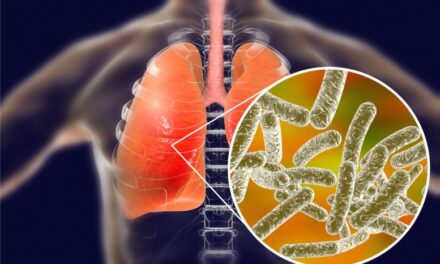
Research has identified three primary categories of “residents” in the public restroom environment:
-
Gut-Related Microbes: Bacteria such as E. coli, Klebsiella, and Enterococcus, along with hardy viruses like norovirus and rotavirus. These are the primary culprits behind gastroenteritis (stomach flu).
-
Skin and Environmental Bacteria: Staphylococcus aureus (including the antibiotic-resistant strain MRSA) is frequently found on surfaces, alongside opportunistic bacteria like Pseudomonas and Acinetobacter.
-
Parasites: In poorly maintained facilities, the eggs of intestinal worms or single-celled protozoa can persist on surfaces contaminated by fecal matter.
Furthermore, these germs often organize into a biofilm—a resilient, slimy layer of bacteria that adheres to the undersides of toilet rims and within plumbing, making them difficult to eradicate with standard cleaning.
The “Toilet Plume” and the Aerosol Risk
If the seat isn’t the primary villain, what is? Scientists point to a phenomenon known as the “toilet plume.”
When a toilet is flushed without a lid, the force of the water creates a fine mist of aerosolized particles. A 2022 study utilizing high-powered green lasers to visualize this process showed that these particles can travel up to 2 meters (6.5 feet) in seconds, settling on the flush handle, the toilet paper dispenser, and even the user.
“The plume is a significant vector for spreading enteric pathogens,” says Dr. Elena Rossi, an infectious disease specialist (not involved in the primary study). “If the person before you was ill, those microscopic droplets could contain viral loads that remain suspended in the air or land on high-touch surfaces.”
This risk is compounded by high-speed jet hand dryers. While energy-efficient, research published in the Journal of Hospital Infection indicates that these dryers can blow bacteria and viruses from unwashed or poorly washed hands back into the air, effectively “seeding” the room with microbes.
Ranking the “Dirty” Zones
Interestingly, the toilet seat often ranks as one of the cleaner surfaces in a restroom. Because many people are wary of the seat, they often wipe it down or use covers. Conversely, the “path of exit” is often the most contaminated.
| Surface | Risk Level | Why? |
| Flush Lever | High | Touched immediately after “the act” before handwashing. |
| Stall Door Lock | High | Frequently touched, rarely cleaned thoroughly. |
| Faucet Knobs | High | Touched by dirty hands to start the water flow. |
| Toilet Seat | Low/Moderate | Healthy skin acts as a highly effective barrier. |
Why “Hovering” May Be Doing More Harm Than Good
In an attempt to avoid the seat, many individuals choose to “hover” or “squat” over the bowl. Physical therapists warn that this practice can have unintended health consequences, particularly for women.
“Hovering prevents the pelvic floor muscles and the bladder sphincter from fully relaxing,” explains Dr. Sarah Jenkins, a pelvic health specialist. “This can lead to incomplete emptying of the bladder, which, over time, increases the risk of urinary tract infections (UTIs) or pelvic floor dysfunction. From a hygiene perspective, hovering also increases the likelihood of ‘splashing’ the seat for the next person, contributing to the very problem people are trying to avoid.”
Practical Protection: A Journalist’s Guide to the Stall
While the “microbial soup” sounds daunting, the risk of actually contracting an illness from a public toilet is remarkably low for a healthy individual. To stay safe, experts recommend a strategy focused on hand hygiene rather than seat avoidance:
-
The “Close and Flush” Rule: If a lid is available, close it before flushing to contain the plume.
-
Seat Prep: Wipe the seat with a disinfectant wipe or use a paper cover. While mostly for “peace of mind,” it provides a dry barrier.
-
The 20-Second Scrub: Wash hands with soap and water for at least 20 seconds. Use a paper towel to turn off the faucet and open the exit door.
-
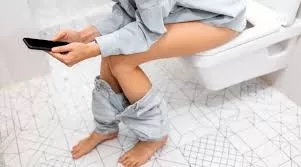
Phone Etiquette: Do not use your phone in the stall. Mobile devices act as “bacteria magnets” that you later press against your face.
-
Dry Wisely: Opt for paper towels over air dryers when available to minimize the circulation of aerosolized germs.
The Bottom Line
For the general public, sitting on a public toilet seat is a low-risk activity. Your skin is an incredible suit of armor against the vast majority of these microbes. The real “danger” is the invisible journey of germs from a flush lever or a door handle to your mouth or nose via unwashed hands.
As long as you prioritize rigorous hand hygiene and resist the urge to scroll through your phone in the stall, you can breathe a sigh of relief—and sit down.
References
-
Crimaldi, J. P., et al. (2022). “Commercial toilets emit energetic and rapidly spreading aerosol plumes.” Scientific Reports. DOI: 10.1038/s41598-022-24683-4
Medical Disclaimer: This article is for informational purposes only and should not be considered medical advice. Always consult with qualified healthcare professionals before making any health-related decisions or changes to your treatment plan. The information presented here is based on current research and expert opinions, which may evolve as new evidence emerges.