 0
0
 0
0
January 16, 2026
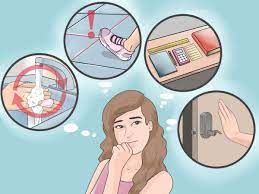
For decades, the scientific community and the public alike have viewed compulsive behavior—the repetitive hand-washing of OCD or the relentless pull of a slot machine—as a “habit loop” gone rogue. The prevailing theory suggested that these actions become so deeply ingrained that they bypass the brain’s conscious decision-making centers, leaving individuals trapped on a high-speed “autopilot” they cannot switch off.
However, a groundbreaking study from the University of Technology Sydney (UTS) is turning this narrative on its head. Research published this past September in Neuropsychopharmacology suggests that compulsive behaviors may not be mindless habits at all. Instead, they may result from an excess of deliberate, conscious control triggered by inflammation in the brain.
The “Autopilot” vs. The “Driver”
To understand the significance of this shift, one must first understand how the brain typically balances two different systems of behavior: the goal-directed system and the habit system.
“Habits normally serve an important purpose,” explains Dr. Laura Bradfield, a senior author and behavioral neuroscientist at UTS. “They allow people to operate on autopilot during routine activities, such as brushing their teeth or driving a familiar route, freeing mental resources to focus on other things.”
Under normal circumstances, these systems work in harmony. If you are driving on “autopilot” and a child suddenly steps into the road, your goal-directed system takes back the wheel. You become acutely aware of your surroundings, weigh the outcomes, and adjust your behavior instantly.
In the world of mental health, it was long assumed that conditions like Obsessive-Compulsive Disorder (OCD) and substance use disorders were the result of the habit system becoming “stuck,” making it impossible for the conscious “driver” to regain control.
Surprising Results: Inflammation and Decision-Making
The UTS research team, led by Dr. Arvie Abiero, sought to investigate the link between brain inflammation and these behaviors. Brain imaging has frequently shown that people with compulsive disorders have inflammation in the striatum, a region critical for choosing actions.
Using a rat model, the researchers induced inflammation in the striatum, expecting to see the animals fall into repetitive, habitual patterns. To their surprise, the opposite occurred.
“Surprisingly, the animals became more goal-directed and continued to adjust their behavior based on outcomes, even in situations where habits would normally take over,” says Dr. Bradfield.
Rather than slipping into mindless repetition, the inflammation caused the rats to remain in a state of hyper-aware, “effortful” decision-making. They were unable to transition into the ease of a habit, even when it would have been more efficient to do so.
The Role of “Star” Cells
The researchers traced this phenomenon to astrocytes—star-shaped cells that act as the brain’s support system. When the striatum becomes inflamed, these astrocytes multiply and interfere with the groups of neurons responsible for movement and decision-making.
This interference appears to create a “noise” in the brain’s circuitry that prevents the smooth hand-off from conscious thought to habit. For a person with OCD, this might manifest as a conscious, agonizingly deliberate choice to wash their hands for the twentieth time, driven by a hyper-active focus on the perceived outcome (avoiding germs) rather than a mindless reflex.
“If someone is continually washing their hands because they are worried about germs, they are not doing this without thinking,” Dr. Bradfield notes. “They are consciously choosing to make that effort.”
Expert Perspectives: A Shift in Treatment Philosophy
Independent experts suggest that if compulsive behavior is indeed a “goal-directed” process rather than a habit, our approach to treatment needs a radical overhaul.
“The current gold standard for many compulsions is exposure therapy, which often focuses on breaking a habit loop,” says Dr. Marcus Thorne, a clinical psychologist not involved in the UTS study. “If the underlying issue is actually a failure to ‘habituate’ due to neuroinflammation, we might be fighting the wrong fire. We may need to look at the physiological environment of the brain as much as the behavioral patterns.”
Public Health and Practical Implications
While the study was conducted on animal models—a common limitation in neuroscience—it provides a vital “proof of concept” that could lead to new therapeutic avenues for the millions of people living with compulsive disorders.
1. Targeting Inflammation:
The findings suggest that anti-inflammatory interventions could play a role in managing compulsion. This includes pharmacological treatments targeting astrocytes and lifestyle interventions known to reduce neuroinflammation, such as high-quality sleep and regular exercise.
2. Reducing Stigma:
The “bad habit” narrative often carries a heavy burden of shame, implying a lack of willpower. Reframing compulsion as a biological malfunction in how the brain processes “goal-directed” effort could help reduce the stigma surrounding these conditions.
3. Refining Cognitive Behavioral Therapy (CBT):
If a patient is stuck in a state of “excessive deliberate control,” therapists might focus more on helping the brain “downshift” out of hyper-vigilance rather than simply trying to stop a repetitive motion.
Limitations and Next Steps
As with all preclinical research, the transition from rat models to human clinical trials is a long road. Critics of the study note that “compulsion” in a lab setting—usually involving pressing levers for food—is a simplified version of the complex psychological landscapes of human OCD or addiction. Furthermore, the study does not suggest that all compulsions are non-habitual, but rather that a significant subset may be driven by this different mechanism.
The UTS team plans to continue investigating how these star-shaped astrocytes can be better regulated, potentially opening the door for a new generation of mental health medications.
“Our findings offer a new explanation for these behaviors, which goes against the accepted view,” says Dr. Bradfield. “Based on this, it’s possible that new treatments and interventions can be developed that more effectively treat these diseases and disorders.”
Reference Section
Primary Study:
-
Journal: Neuropsychopharmacology (Nature Portfolio)
-
Title: “Dorsomedial striatal neuroinflammation causes excessive goal-directed action control by disrupting astrocyte function”
-
Authors: Abiero, A. R., Bradfield, L. A., et al.
-
Publication Date: September 27, 2025
-
DOI: 10.1038/s41386-025-02247-4
Medical Disclaimer: This article is for informational purposes only and should not be considered medical advice. Always consult with qualified healthcare professionals before making any health-related decisions or changes to your treatment plan. The information presented here is based on current research and expert opinions, which may evolve as new evidence emerges.