 0
0
 0
0
THANE, MAHARASHTRA — In a chilling revelation of how economic desperation meets the high-demand world of reproductive technology, the Thane police dismantled a multi-crore illegal egg donation syndicate on February 22, 2026. The operation, which preyed on vulnerable women from low-income backgrounds, has so far identified over 20 victims who were allegedly coerced into repeated, dangerous medical procedures for profit. Three women—Sulakshana Gadekar (44), Ashwini Chabukswar (29), and Manjusha Wankhede (46)—were arrested following a coordinated raid, sparking a massive investigation into the dark underbelly of India’s booming IVF industry.
The Sting: How the Racket Unraveled
The investigation began not in a police station, but in the office of Dr. Jyotsna Sawant, Chief Medical Officer at Thane Sub-District Hospital. A woman, physically exhausted and claiming exploitation, approached the CMO with a harrowing account of being forced into multiple egg retrieval cycles.
Acting on this tip-off, authorities launched a targeted raid on a residential apartment in the Nano City building in Badlapur East and a nearby sonography center. What they found was a makeshift clinical logistics hub. Police seized a trove of evidence, including:
-
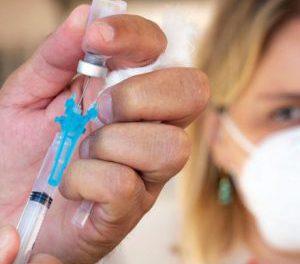
Photos of hormonal pregnancy-related injections.
-
Sonography reports used to monitor egg follicle growth.
-
Forged affidavits and fake identity documents used to bypass age and frequency restrictions.
-
Mobile records detailing financial transactions worth crores of rupees.
Ulhasnagar Deputy Commissioner of Police Sachin Gore confirmed that the racket had recently relocated from Vangani to Badlapur to evade detection. “The scale of this operation is significant,” Gore stated. “We are investigating links to high-profile IVF centers where these eggs were eventually sold for lakhs of rupees, while the donors received a mere pittance.”
The Mechanics of Exploitation
Egg donation is a legitimate medical procedure that helps thousands of infertile couples achieve parenthood. However, in this illicit trade, the human cost was ignored in favor of volume.
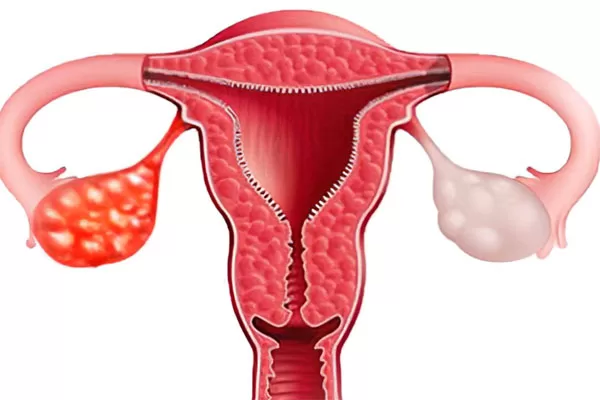
The suspects allegedly lured women with promises of ₹25,000 to ₹30,000 per cycle. Once recruited, these women were subjected to “superovulation”—a process where high doses of hormonal injections are administered to force the ovaries to produce a dozen or more eggs in a single month, rather than the usual one.
While legitimate clinics prioritize donor health with strict cooling-off periods, this syndicate allegedly pushed victims through back-to-back cycles. This bypasses the body’s natural recovery time, treating the donors as biological commodities.
The Physical Toll: Risks of Unregulated Donation
The medical community is sounding the alarm on the health implications for these women. Under regulated conditions, egg donation is relatively safe, but repeated stimulation carries grave risks.
Ovarian Hyperstimulation Syndrome (OHSS)
The most immediate danger is Ovarian Hyperstimulation Syndrome (OHSS). This occurs when the ovaries become swollen and painful.
-
Mild symptoms: Abdominal pain, bloating, and nausea.
-
Severe complications: According to global standards, severe OHSS occurs in 1–2% of cycles and can lead to rapid weight gain, kidney failure, or life-threatening blood clots (thromboembolism).
Long-Term Uncertainties
“These women were likely not screened for pre-existing conditions or monitored for post-operative complications,” says Dr. Mala Banerjee, a Mumbai-based gynecologist not involved in the case. “When you stimulate the ovaries repeatedly without sufficient rest, you increase the risk of infection, internal bleeding, or ovarian torsion—where the ovary twists on its blood supply.”
Dr. Banerjee also noted that the long-term effects of such extreme, unmonitored hormonal bombardment—including the impact on future fertility and potential cancer risks—remain a significant concern due to the lack of follow-up care for these victims.
A Breach of Legal and Ethical Walls
India’s Assisted Reproductive Technology (Regulation) Act, 2021, was designed specifically to prevent this brand of “fertility tourism” and exploitation. The law is clear:
-
Age Limits: Donors must be between 21 and 35 years old.
-
Frequency: A woman can donate eggs only once in her lifetime, and no more than seven oocytes (eggs) should be retrieved in that single cycle. (Note: While some older guidelines suggested more, the 2021 Act significantly tightened these limits to protect women).
-
Transparency: Clinics must be registered with the National Registry, and all donors must provide informed consent.
The Thane racket allegedly used fake documents to make the same woman appear as a “first-time donor” multiple times, effectively laundering human gametes into the legal IVF system.
The Economic Engine: Why Rackets Thrive
The demand for IVF in India is surging, with over 1 million cycles performed annually. With infertility affecting approximately 10–15% of Indian couples, the “market” for donor eggs is lucrative.
“The tragedy is the price gap,” says Dr. Kaberi Banerjee, a leading fertility specialist. “A desperate woman is paid ₹25,000, but the end recipient might pay ₹2 lakh to ₹5 lakh for those same eggs. This creates a massive incentive for middlemen to bypass ethical protocols.”
This bust follows a disturbing pattern seen in recent years, including a 2023 case in Varanasi involving the coercion of teenagers and a 2025 bust in Telangana related to an illegal surrogacy and egg-trade network.
Moving Forward: Protecting the Vulnerable
Public health advocates are calling for more than just arrests. They are demanding a “ground-up” approach to monitoring.
-
Stricter Audits: Regular inspections of fringe sonography centers and residential “clinics.”
-
Rural Outreach: Education programs in low-income neighborhoods to warn women about the health risks of illegal donations.
-
Victim Support: DCP Sachin Gore has urged other women who may have been victimized to come forward, promising protection and medical assistance.
For the health-conscious consumer or prospective donor, the message is clear: Legitimacy is found in transparency. Registered ART clinics are required to display their ICMR/National Registry certificates. Any arrangement involving “secret” apartments or cash-only transactions outside of a hospital setting is a red flag for a criminal enterprise.
Reference Section
-
Medical Dialogues: “Thane multi-crore egg donation racket exploiting women busted,” Feb 22, 2026.
Medical Disclaimer: This article is for informational purposes only and should not be considered medical advice. Always consult with qualified healthcare professionals before making any health-related decisions or changes to your treatment plan. The information presented here is based on current research and expert opinions, which may evolve as new evidence emerges.