 0
0
 0
0
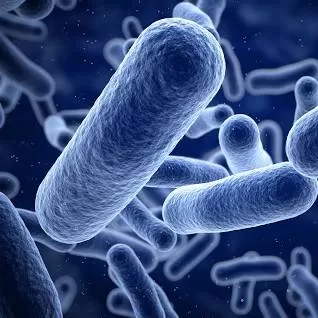
ADELAIDE, Australia — For over a century, the narrative of modern medicine has been a war against the invisible. From the discovery of penicillin to the global mobilization against COVID-19, microbes have largely been cast as the “villains” of the biological world. However, a groundbreaking study from Flinders University is challenging this pathogen-centric view, suggesting that our obsession with sterilization may be causing us to overlook a vital cast of “invisible friends.”
In research published this October in Microbial Biotechnology, a team led by microbial ecologist Dr. Jake Robinson introduced the Database of Salutogenic Potential. This first-of-its-kind open-access tool catalogs microorganisms and natural compounds that do not cause disease, but instead actively promote human health, immune resilience, and mental well-being.
Shifting the Paradigm: From Pathogens to Partners
The term “salutogenic” comes from the Greek salus (health) and genesis (origin). While traditional medicine focuses on pathogenesis—how we get sick—salutogenesis focuses on what keeps us well.
“For well over a century, microbes and chemicals in the air have mainly been studied as threats,” says Dr. Robinson. “While this lens has saved countless lives, it risks overlooking the invisible biodiversity that actively supports human and planetary health.”
The research team identified 124 microbial taxa and 14 biochemical compounds—ranging from specific soil bacteria to plant-derived phytoncides—that correlate with positive health outcomes. These “friends” assist in regulating our immune systems, suppressing harmful inflammation, and even mitigating psychological stress.
The Database of Salutogenic Potential
The newly launched database acts as a library for these beneficial entities. Among the findings, the researchers highlighted several key categories of health-promoting biodiversity:
-
Soil-Derived Actinobacteria: Often found in healthy forest soils, these microbes have been linked to anti-inflammatory responses in humans.
-
Phytoncides: Organic compounds released by trees (often referred to as “forest bathing” chemicals) that have been shown to increase the activity of “natural killer” cells in the human immune system.
-
Environmental Microbiomes: Exposure to diverse outdoor environments helps “train” the immune system, preventing it from overreacting to harmless substances like pollen or dust (the “Hygiene Hypothesis”).
“Health is not merely the absence of disease,” Dr. Robinson notes. “By consolidating this data, we aim to rebalance the story of microbes.”
Urban Living and the Pathogen Gap
The importance of this research is underscored by a parallel study Dr. Robinson conducted with researchers in China, published in Communications Earth and Environment. That study found that urban soils—often degraded and lacking biodiversity—harbor significantly more pathogens, such as Klebsiella pneumoniae, than forest soils.
This suggests a “pathogen gap”: as we lose microbial diversity in our cities, the “good” microbes are replaced by “bad” ones. This loss of microbial richness is increasingly linked to the rise in autoimmune diseases and allergies in urban populations.
Expert Commentary: A New Frontier in Public Health
Public health experts not involved in the Flinders study suggest this could change how we build our world.
“We are beginning to understand that ‘clean’ doesn’t always mean ‘healthy,'” says Dr. Elena Rossi, an environmental health consultant. “If we can identify which specific microbes promote resilience, we can design parks, schools, and office buildings that act as ‘probiotic’ environments, passively supporting the health of the people inside them.”
However, some researchers urge caution. Dr. Marcus Thorne, a clinical microbiologist, notes that while the “salutogenic” approach is promising, it must not lead to a dismissal of genuine infectious risks. “The challenge lies in the balance. We need to encourage exposure to beneficial environmental microbes without compromising the hygiene standards that prevent outbreaks of known pathogens.”
Practical Implications for Daily Life
What does this mean for the average person? The research suggests that “re-wilding” our daily lives could have measurable health benefits.
-
Embrace “Green Time”: Spending time in biodiverse environments—forests, wetlands, or even diverse botanical gardens—exposes the body to the “invisible friends” mentioned in the database.
-
Gardening: Direct contact with healthy soil is one of the most effective ways to interact with salutogenic microbes.
-
Urban Planning: For policymakers, the research suggests that “green infrastructure” (like green roofs and urban forests) should be prioritized not just for aesthetics, but as a public health necessity.
The Path Ahead
The Database of Salutogenic Potential is currently a prototype. Dr. Robinson and his team view it as a foundation for “One Health”—a framework that recognizes that human health is inextricably linked to the health of animals and the environment.
“We’re not viewing this database as a finished tool,” says Robinson. “It’s an invitation for scientists and communities to co-create a fuller picture of how invisible biodiversity sustains our lives.”
Medical Disclaimer
This article is for informational purposes only and should not be considered medical advice. Always consult with qualified healthcare professionals before making any health-related decisions or changes to your treatment plan. The information presented here is based on current research and expert opinions, which may evolve as new evidence emerges.
References
Not All Microbes Are Bad: Scientists Reveal the “Invisible Friends” That Keep Us Healthy