 0
0
 0
0
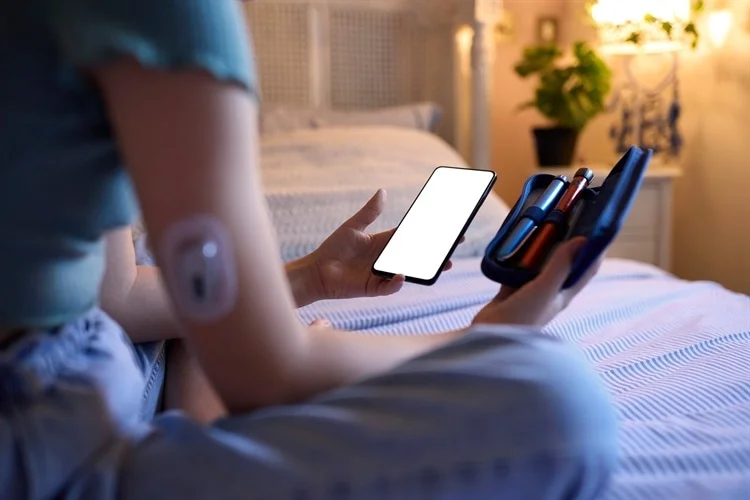
The digital health revolution has flooded the medical market with wearable sensors, “smart” glucose meters, and sleek smartphone apps. Since the COVID-19 pandemic, remote patient monitoring (RPM) has exploded, with diabetes management trailing only hypertension as the most common reason for virtual tracking.
Yet, for primary care physicians and hospitalists on the front lines, the results are frustratingly inconsistent. While some programs are hailed as lifesavers that stabilize patients after discharge, others are dismissed as “data factories” that overwhelm clinical staff without improving patient health.
As health systems face mounting pressure to reduce avoidable admissions, a critical question has emerged: Which remote monitoring models actually keep patients out of the Emergency Department (ED), and which ones simply add to the workload?
It’s the Workflow, Not the Hardware
According to leading endocrinologists and clinical innovators, the success of a remote program has surprisingly little to do with the specific brand of technology used.
“The programs that move the needle share three features: structured workflows, proactive outreach, and authority to adjust medications,” says Fady Hannah-Shmouni, MD, medical director at Eli Health. “The device alone doesn’t do it.”
Dr. Hannah-Shmouni notes that programs lacking a rigid structure—those that simply hand out devices and collect data without clear intervention thresholds—rarely show meaningful changes in hospitalizations or ED visits.
Models That Move the Needle
Research and clinical experience point to four specific structures that consistently deliver documented reductions in acute events:
-
Structured CGM for Type 2: Continuous Glucose Monitoring (CGM) programs for insulin-treated patients that include periodic reviews and formal education.
-
Defined Telemonitoring Teams: Models that utilize pharmacists or diabetes educators to titrate medications based on specific protocols.
-
Commercial Integrated Platforms: Services that combine hardware with algorithmic triage and professional coaching.
-
High-Risk Specialty Programs: Nurse-led monitoring specifically for vulnerable groups, such as pediatric patients or those with recurrent ketoacidosis.
Ashley Kowalski, RN, head of clinical innovation at CareHarmony, emphasizes that the synergy between CGM and RPM is the “gold standard” for prevention. “RPM provides the reimbursement to cover the labor costs of a clinician reviewing data in real time,” Kowalski explains. “It allows for much more nimble responses when changes occur.”
From Data to Action: The Power of “Triggers”
The primary failure of many RPM programs is “data glut”—thousands of glucose readings with no clear plan for intervention. Experts argue that successful programs replace “dashboards” with “triggers.”
“You need tiered, predefined triggers,” says Dr. Hannah-Shmouni. Under this model, a severe low (hypoglycemia) or a rapidly falling reading prompts an immediate alert and direct patient outreach. Conversely, a gradual upward drift in blood sugar over several days prompts a scheduled medication adjustment rather than an emergency call.
In community settings, these triggers must also account for Social Determinants of Health (SDOH). Monica Harmon, MPH, RN, a community health consultant and former director of the Community Wellness HUB at Drexel University, points out that clinical data cannot be viewed in a vacuum.
“If someone is housing or food insecure, stress levels increase, thus raising blood sugar,” Harmon says. She also notes that technical barriers, such as a lack of reliable Wi-Fi or electricity to charge devices, can silence the very signals clinicians rely on to keep patients safe.
Targeting the “High-Risk” Few
A common mistake in digital health is “population-wide” enrollment. While vendors often promise benefits for all, the data suggests that the reduction in hospitalizations is concentrated in a specific, high-risk subset of patients.
According to Dr. Hannah-Shmouni, the patients who benefit most include:
-
Those treated with insulin.
-
Patients with very high A1c levels.
-
Individuals with a history of Diabetic Ketoacidosis (DKA) or severe hypoglycemia.
-
Pregnant patients or those with advanced Chronic Kidney Disease (CKD).
For lower-risk patients, the benefits are often cosmetic—better “numbers” on a screen—without a meaningful reduction in expensive hospital visits. Furthermore, broad enrollment can lead to “alert fatigue,” where clinicians become desensitized to notifications because so many of them are non-actionable.
Closing the “Bounceback” Gap
The most dangerous time for a patient with diabetes is the 30-day window following a hospital discharge. National data from the Centers for Medicare & Medicaid Services (CMS) shows that 18% to 23% of patients discharged with a diabetes diagnosis are readmitted within a month.
Remote monitoring acts as a “landing zone” to prevent these bouncebacks. A 2024 study published in the journal Einstein found that post-discharge telemonitoring was associated with a 15% lower readmission rate compared to standard care.
“Effective programs establish device connectivity before discharge,” says Dr. Hannah-Shmouni. By designating a single clinical leader to monitor data in the first two weeks post-hospitalization, teams can catch “predictable failures” before they require a return to the ER.
In some cases, the most effective “tech” is the simplest. Nurse Monica Harmon notes that consistent follow-up via phone calls and text messages reinforces discharge instructions, even for patients with limited digital literacy.
The Bottom Line for Patients
For the health-conscious consumer, the takeaway is clear: A glucose monitor is a tool, not a cure. To truly reduce the risk of a hospital stay, patients should look for programs that offer:
-
A human connection: A dedicated nurse, pharmacist, or coach who reviews your data.
-
Clear instructions: Knowing exactly what to do when an alert sounds.
-
Medication authority: A team that can adjust your insulin or oral meds based on the data they see.
As the technology evolves, the focus is shifting away from the “cool factor” of the gadget and toward the clinical rigor of the team behind the screen.
Medical Disclaimer
This article is for informational purposes only and should not be considered medical advice. Always consult with qualified healthcare professionals before making any health-related decisions or changes to your treatment plan. The information presented here is based on current research and expert opinions, which may evolve as new evidence emerges.
References
- https://www.medscape.com/viewarticle/remote-monitoring-diabetes-what-actually-reduces-2026a10005ph