 0
0
 0
0
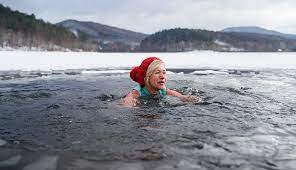
In the world of modern wellness, few trends have “shivered” their way into the mainstream quite like cold water immersion (CWI). Popularized by elite athletes and biohacking influencers alike, the practice—ranging from high-tech ice baths to the simple, humble cold shower—promises everything from “bulletproof” immunity to a reset of the nervous system.
But does the physiological reality match the viral hype?
A landmark systematic review and meta-analysis led by researchers at the University of South Australia (UniSA) has provided the most comprehensive look to date at how cold water impacts the general population. The study, recently published in the journal PLOS ONE, analyzed data from 11 studies involving 3,177 participants. While the findings validate some of the enthusiasm surrounding the practice, they also offer a sobering look at its limitations, revealing that many benefits may be fleeting and highly dependent on the individual.
Short-Term Gains: Stress, Sleep, and Sick Days
For many, the initial appeal of a cold plunge is the “rush” of alertness and the subsequent feeling of calm. The UniSA review confirms that these sensations aren’t just in your head.
The 12-Hour Window
The researchers found that cold water immersion can significantly reduce stress levels, but with a major caveat: the effect is temporary. On average, participants experienced a reduction in stress for approximately 12 hours following exposure.
The “Cold Shower” Effect
Interestingly, the study found that you don’t necessarily need a professional-grade ice tub to see results. Participants who incorporated cold showers—lasting between 20 and 90 seconds—reported slight improvements in their overall quality of life. However, these perceived gains tended to plateau or fade after three months, suggesting that the body may adapt to the stimulus, requiring consistency or perhaps a change in intensity to maintain the effect.
Boosting Resilience
One of the most striking statistics highlighted in the review involved workplace wellness. One included study found that regular cold showers led to a 29% reduction in sickness-related absences. While this suggests a potential boost to immune resilience, the researchers cautioned that the exact biological mechanism remains unclear.
“We also found some links to cold water immersion and better sleep outcomes, but the data was restricted to males, so its broader application is limited,” noted Tara Cain, a lead researcher at UniSA.
The “Inflammation Paradox”
Perhaps the most surprising finding involves how the body reacts to the cold on a cellular level. Traditionally, ice baths have been used to reduce inflammation after heavy exercise. However, Dr. Ben Singh, a Senior Research Fellow at UniSA, pointed out an unexpected biological response.
“Cold water immersion causes a temporary increase in inflammation,” Dr. Singh explained. “At first glance, this seems contradictory.”
However, medical experts suggest this may be an example of hormesis—a biological phenomenon where a brief, controlled stressor actually strengthens the system. Much like weightlifting creates micro-tears in muscle fibers to prompt growth, the initial inflammatory spike from cold water may trigger the body’s adaptive repair mechanisms.
Risks and Recommendations
While the “hormetic stress” of cold water can be beneficial for healthy individuals, it poses genuine risks for others. The study emphasizes that the sudden shock of cold water and the subsequent rise in inflammation could be dangerous for those with underlying cardiovascular issues or chronic inflammatory conditions.
Safety First
Experts suggest the following before starting a cold-water regimen:
-
Start Slow: Begin with 30 seconds of cool water at the end of a regular shower.
-
Temperature Matters: The studies focused on water between 50–59°F (10–15°C).
-
Listen to Your Heart: The “cold shock response” can cause a rapid increase in heart rate and blood pressure.
“People with pre-existing health conditions should take extra care,” warned Dr. Singh. “The initial inflammation could have detrimental health impacts for those whose systems are already compromised.”
The Verdict: A Tool, Not a Miracle
Despite the promising data regarding stress and absenteeism, the UniSA team notes that the evidence for long-term immune boosting or mood disorders remains “weak.” The current body of research is heavily skewed toward short-term studies and specific demographics, such as young, athletic males.
“Right now, there isn’t enough high-quality research to say exactly who benefits most or what the ideal approach is,” Cain said.
For the average person, cold water therapy is best viewed as one tool in a larger wellness toolkit—potentially effective for a morning energy boost or temporary stress relief, but not a substitute for evidence-based medical treatments or a healthy lifestyle.
Medical Disclaimer: This article is for informational purposes only and should not be considered medical advice. Always consult with qualified healthcare professionals before making any health-related decisions or changes to your treatment plan. The information presented here is based on current research and expert opinions, which may evolve as new evidence emerges.