 0
0
 0
0
AHMEDABAD – A viral video capturing resident doctors resting on unoccupied intensive care unit (ICU) beds at Ahmedabad’s LG Hospital has ignited a firestorm of controversy, forcing a confrontation between hospital administrative protocols and the grueling reality of India’s medical training system. The footage, which surfaced on social media on March 1, 2026, has prompted an official probe by the Ahmedabad Municipal Corporation (AMC), while simultaneously galvanizing medical associations to demand an end to the “inhumane” 48-hour shifts that have become a staple of Indian public healthcare.
The incident occurred following an emergency orthopedic surgery. While one resident is seen monitoring patients, another is filmed resting on a vacant ICU bed—a sight that triggered immediate public outcry over perceived negligence. However, for the medical community, the video is not a sign of laziness, but a symptom of a systemic collapse where doctors are pushed to their physiological limits without basic infrastructure like Dedicated Doctor Rooms (DDR).
The Investigation: Discipline vs. Deprivation
Following the video’s wide circulation on platforms like X (formerly Twitter), the AMC issued a formal notice to the Head of the Orthopedics Department at LG Hospital. Hospital Committee Chairman Bharat Kakadiya confirmed that a full investigation is underway to determine the number of residents off-duty during shift hours.
“Appropriate measures will follow if explanations are unsatisfactory,” Kakadiya stated, emphasizing that the ICU is a high-stakes environment where patient safety is paramount.
Yet, the hospital’s own administration has previously acknowledged a chronic shortage of beds and facilities. Eyewitnesses and resident colleagues argue that the doctors had no choice; with no private rest area provided and having just completed hours of surgery, an empty bed was the only available reprieve.
A Systemic Crisis: The 48-Hour Marathon
The Ahmedabad incident is a microcosm of a much larger national crisis. In India, postgraduate resident doctors routinely work 36 to 48 hours continuously. While the Ministry of Health and Family Welfare’s 1992 Central Residency Scheme technically limits continuous duty to 12 hours, these guidelines are rarely enforced in the face of staggering patient loads and a doctor-to-patient ratio of 1:1,456—well below the World Health Organization’s recommended 1:1,000.
The Legislative Tug-of-War
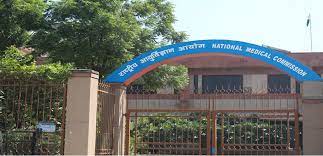
In 2024, the National Medical Commission (NMC) proposed capping weekly hours at 74, with a maximum of 24 hours at a stretch. Despite this, resident associations like the Federation of All India Medical Associations (FAIMA) have had to petition the Supreme Court to ensure these norms are actually implemented.
“Residents sacrificing sleep on stretchers or patient beds is common in under-resourced departments,” says Dr. Rohan Krishnan, Chief Patron of FAIMA. “The investigation should not just be about why they were on a bed, but why there was no room provided for them to recover between life-saving procedures.”
The Science of Fatigue: A Threat to Patient Safety
The debate extends beyond the welfare of doctors; it is a critical public health issue. Sleep deprivation in medical professionals has been clinically proven to impair cognitive function to a level comparable to alcohol intoxication.
According to fatigue research, staying awake for 24 hours results in cognitive impairment equivalent to a 0.1% blood alcohol level—well above the legal driving limit in most countries. For a surgeon or an ICU resident, this translates to:
-
Slower reaction times during emergencies.
-
Increased risk of needle-stick injuries.
-
Higher probability of misdiagnosis or dosage errors.
A 2023 study published in BMJ Medicine, which tracked over 4,800 residents, found that those working more than 48 hours a week doubled their risk of making a significant medical error. Furthermore, shifts exceeding 24 hours were linked to an 85% increase in fatal medical errors.
Public Health Implications
For the average citizen, the exhaustion of the medical workforce is a direct threat. In high-pressure environments like the ICU, where split-second decisions are required, a fatigued doctor is a compromised doctor.
Dr. Lakshya Mittal, National President of the United Doctors Front (UDF), notes that while the public might see a resting doctor as “negligent,” the real negligence lies in the policy. “Over three decades post-1992 guidelines, violations persist, compromising both doctor welfare and care quality,” Mittal argues.
The repercussions are already visible. In 2025, a similar incident at LLRM Medical College in Meerut saw doctors suspended after a patient died while staff were reportedly asleep. These tragedies highlight a dual failure: the lack of rest infrastructure and the failure to curb excessive working hours.
The Path Forward: Reform and Infrastructure
As the AMC investigation continues, the medical community is calling for three specific reforms:
-
Mandatory DDRs: Every hospital department must have dedicated, hygienic rest areas for on-call doctors.
-
Enforceable Hour Caps: Shifting from “guidelines” to “mandates” for 12-hour shifts, backed by the Supreme Court.
-
Increased Health Spending: India currently spends approximately 1.3% of its GDP on healthcare. Experts argue this must increase to facilitate the hiring of more staff and reduce the burden on trainees.
Balanced Perspective
While the fatigue is real, critics and hospital administrators argue that resting on ICU beds—even unoccupied ones—violates hygiene protocols and may delay the admission of a critical patient. There is a delicate balance between the physical needs of the provider and the strict sterile requirements of a critical care unit. However, most agree that the solution is not punishment, but provision.
Conclusion
The viral video from Ahmedabad is more than a social media moment; it is a wake-up call for a healthcare system running on fumes. As the Supreme Court considers the UDF’s pleas, the focus must shift from blaming individual residents to fixing the structural rot that makes a 48-hour shift a standard expectation rather than a rare emergency.
Medical Disclaimer: This article is for informational purposes only and should not be considered medical advice. Always consult with qualified healthcare professionals before making any health-related decisions or changes to your treatment plan. The information presented here is based on current research and expert opinions, which may evolve as new evidence emerges.
References