 0
0
 0
0
NEW DELHI — For decades, the public health message surrounding alcohol has often focused on the dangers of “excessive” drinking. however, a landmark study published in BMJ Global Health is challenging the “moderate drinking” narrative. Researchers have found that even small amounts of alcohol consumption significantly increase the risk of buccal mucosa cancer—the most prevalent and aggressive form of oral cancer in India.
The multi-center study, which analyzed nearly 3,700 participants across six major Indian cancer institutes, reveals that men who have ever consumed alcohol face a 68% higher risk of developing this specific oral cancer compared to non-drinkers. Most strikingly, the research indicates there may be no “safe” lower limit, as risks remained elevated even for those consuming less than one standard drink per day.
Unmasking the “Safe” Limit
The study, titled “Alcohol consumption and the risk of buccal mucosa cancer: A multi-centre case-control study in India,” provides a sobering look at how alcohol affects the lining of the cheeks (the buccal mucosa). While tobacco has long been the primary villain in the oral cancer story, this data isolates alcohol as a potent independent carcinogen.
Researchers meticulously adjusted for tobacco use to ensure the results weren’t simply a byproduct of smoking or chewing. Even after removing tobacco’s influence from the equation, the link between alcohol and cancer remained robust.
“This study provides definitive evidence that for the Indian population, the ‘moderate drinking’ advice does not apply to oral health,” says Dr. Ananya Sharma, an independent oncologist not involved in the study. “The biological mechanism is clear: alcohol breaks down into acetaldehyde, a toxic chemical that damages DNA and prevents cells from repairing that damage.”
The Danger of Local Brews
The study also shed light on the specific risks associated with different types of alcohol. While global spirits like whisky and beer were linked to increased risks, locally brewed liquors—often referred to as desi daru, tharra, or mahua—showed the most alarming correlation.
-
Country Liquor: Users faced nearly double the risk of developing buccal mucosa cancer compared to non-drinkers.
-
Beer and Whisky: Even at lower consumption levels, these were linked to a statistically significant rise in cancer cases.
Experts suggest that the higher risk in local brews may be due to higher ethanol concentrations or the presence of contaminants and fermentation byproducts that further irritate the oral tissues.
The “Double Whammy”: Alcohol and Tobacco
While alcohol alone is dangerous, its synergy with tobacco is catastrophic. The study estimated that over 60% of buccal mucosa cancer cases could be attributed to the combined use of alcohol and smokeless tobacco (such as gutka or khaini).
Alcohol acts as a solvent, making the delicate tissues of the mouth more permeable. This allows the carcinogens found in tobacco to penetrate the bloodstream and cellular structures more easily.
“Think of alcohol as the key that opens the door, and tobacco as the intruder that walks through it,” explains Dr. Rajesh Kumar, a public health researcher. “When used together, they don’t just add to the risk; they multiply it.”
A Growing Crisis Among the Young
One of the most concerning findings of the report is the age of the patients. A significant number of cases were identified in men below the age of 45.
Because buccal mucosa cancer is notoriously aggressive, it often requires extensive surgery, radiation, and chemotherapy. Despite these interventions, the five-year survival rate remains poor. The prevalence among younger men suggests that early exposure to alcohol and tobacco is creating a “ticking time bomb” for public health systems.
What This Means for You
For the average consumer, these findings suggest a need to re-evaluate “social drinking.” If you are looking to minimize your cancer risk, the following steps are recommended by health authorities:
-
Acknowledge the Risk: Understand that even “low-volume” drinking (less than one drink a day) is not risk-free regarding oral cancers.
-
Avoid the Combination: If you use tobacco in any form, it is imperative to avoid alcohol, as the combination exponentially raises your risk profile.
-
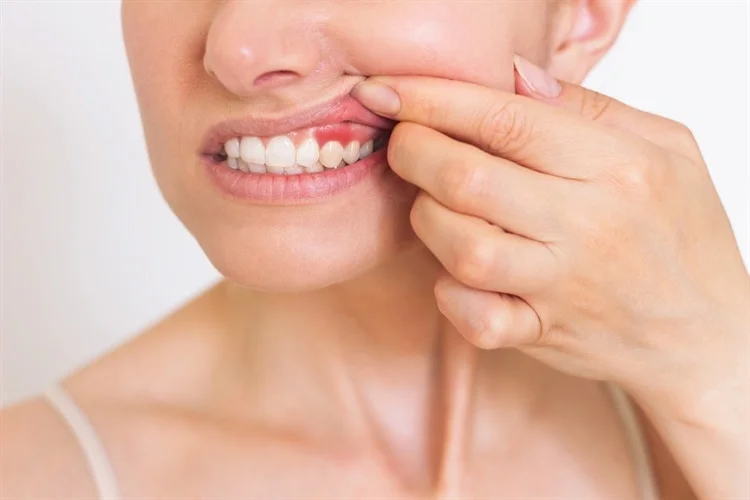
Regular Screenings: If you have a history of alcohol or tobacco use, perform monthly self-checks for white or red patches, persistent sores, or lumps in the mouth.
-
Consider Total Abstinence: Given the aggressive nature of buccal mucosa cancer, health experts are increasingly leaning toward a “less is better, none is best” approach.
Study Limitations and Counterarguments
While the study is one of the largest of its kind in the region, it does have limitations. As a case-control study, it relies on participants’ self-reported history of alcohol and tobacco use, which can sometimes lead to “recall bias” (participants may underreport their intake due to social stigma).
Furthermore, the study focused primarily on men. While oral cancer rates are currently higher in the male population in India, further research is needed to determine if the “no safe limit” rule applies with equal severity to women, whose metabolic processes for alcohol differ.
A Call for Policy Change
The researchers concluded that current public health strategies are insufficient. They are calling for “integrated prevention strategies” that treat alcohol and tobacco not as separate issues, but as a combined threat.
The findings are expected to ignite debates over alcohol labeling and taxation in India. Much like the graphic warnings on cigarette packs, some health advocates are now pushing for similar warnings on alcohol bottles to inform consumers of the specific risk of oral cancers.
“The myth of the ‘healthy glass’ is evaporating,” says Dr. Sharma. “When it comes to the cells in your mouth, there is no such thing as a safe dose.”
Reference Section
Primary Study:
-
BMJ Global Health (2025). “Alcohol consumption and the risk of buccal mucosa cancer: A multi-centre case-control study in India.”
Medical Disclaimer: This article is for informational purposes only and should not be considered medical advice. Always consult with qualified healthcare professionals before making any health-related decisions or changes to your treatment plan. The information presented here is based on current research and expert opinions, which may evolve as new evidence emerges.