 0
0
 0
0
March 9, 2026
TOKYO — In the landscape of human biology, few molecules carry a reputation as romantic as oxytocin. Long dubbed the “love hormone” or “cuddle chemical,” it is the biological engine behind mother-infant bonding, romantic attachment, and social trust. However, groundbreaking new research is revealing that oxytocin’s resume is far more diverse than previously thought.
Recent studies, headlined by a pivotal discovery at the Tokyo University of Science, demonstrate that oxytocin plays a critical role in strengthening long-term memory and providing a robust shield for the cardiovascular system. These findings suggest that the hormone does more than just make us feel “connected”—it may be a primary driver in preventing cognitive decline and repairing the heart after a traumatic injury.
Unlocking the Memory Vault
For years, the relationship between oxytocin and cognition was a subject of debate. While it was known to influence social memory—recognizing a friend’s face, for instance—its impact on general learning was less clear.
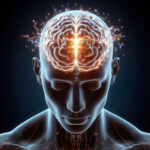
A team led by Professor Akiyoshi Saitoh has now mapped a specific neural highway that changes this narrative. Using advanced pharmacogenetic techniques, the researchers activated oxytocin-producing neurons in the paraventricular hypothalamic nucleus (PVN) of mice. They discovered that these neurons project directly to the supramammillary nucleus (SuM), an area of the brain responsible for processing signals and forming memories.
The results, published in PLOS ONE, were striking. When this pathway was stimulated, the mice showed a significant increase in performance during the Novel Object Recognition Task (NORT). Essentially, the “love hormone” helped the brain better identify and remember new objects over long periods.
“Our research seeks to elucidate the crucial role of a stimulating environment that activates oxytocin in the brain, potentially mitigating the progression of dementia,” Professor Saitoh noted. This suggests that social isolation—a known risk factor for Alzheimer’s—may accelerate cognitive decline specifically because it starves the brain of this oxytocinergic activation.
A Shield for the Heart
While the brain benefits from oxytocin’s cognitive boost, the heart relies on it for survival. According to the World Health Organization, cardiovascular disease remains the leading cause of death globally, claiming 18 million lives annually. Oxytocin is emerging as a surprising ally in this fight.
Research indicates that oxytocin acts as a natural “cardioprotectant.” When the heart suffers a myocardial infarction (heart attack), the body’s inflammatory response can often cause secondary damage. Oxytocin counteracts this by:
-
Reducing Inflammation: Lowering levels of pro-inflammatory cytokines like TNF-α and IL-6.
-
Lowering Physical Stress: Decreasing heart rate and blood pressure through brainstem modulation.
-
Promoting Repair: Stimulating epicardial cells to transform into new heart muscle cells (cardiomyocytes).
Dr. Aitor Aguirre of Michigan State University, a leading voice in heart regeneration research, believes this could revolutionize recovery. “Oxytocin is capable of activating heart repair mechanisms in injured hearts… opening the door to potential new therapies for heart regeneration in humans,” Aguirre stated.
The Intersection of Mind and Body
The dual role of oxytocin creates a fascinating link between emotional well-being and physical health. It provides a biological explanation for why people with strong social support systems often recover faster from surgeries and show higher resilience against age-related memory loss.
| Feature | Memory Impact | Cardiovascular Impact |
| Primary Benefit | Enhances long-term object recognition | Reduces infarct (tissue death) size post-heart attack |
| Key Mechanism | PVN-to-SuM neural pathway activation | NO/VEGF signaling and anti-inflammatory action |
| Public Health Goal | Delaying dementia progression | Reducing chronic heart failure rates |
Dr. Maria Jankowski, a researcher specializing in cardiovascular protection, highlights that oxytocin “preconditioning” increases the synthesis of protective proteins. This means that maintaining healthy oxytocin levels before a health crisis could provide a built-in safety net for the heart.
Practical Implications: How to “Activate” Your Oxytocin
While clinical treatments like intranasal oxytocin sprays are currently being studied for PTSD and cognitive impairment, there are natural ways to leverage these findings today.
-
Prioritize Meaningful Social Connection: Since isolation slows oxytocin production, regular interaction with loved ones can serve as a “workout” for your oxytocin pathways.
-
Physical Touch: Simple acts like hugging or holding hands trigger immediate release from the hypothalamus.
-
Pet Therapy: Interacting with animals has been shown to spike oxytocin levels in both humans and their pets.
-
Mindfulness and Exercise: Low-intensity aerobic exercise and meditation are associated with stabilized hormone levels and improved heart rate variability.
A Note of Caution: Limitations and Risks
Despite the excitement, experts urge a balanced perspective. “Oxytocin’s dual role suggests holistic therapies targeting both brain and heart, but clinical translation needs larger trials,” says Dr. Eric Peterson, a cardiologist.
Most current data comes from animal models (mice, rats, and zebrafish). Humans have complex genetic variations in their oxytocin receptors, meaning a treatment that works for one person might be less effective for another. Furthermore, excessive oxytocin can sometimes lead to “social bias” or, in rare medical cases, dangerously low blood pressure (hypotension).
The Road Ahead
The next five years will be crucial as researchers move into larger human clinical trials. Ongoing studies are investigating whether oxytocin can reverse early-stage Alzheimer’s symptoms and if it can be administered in the ER to patients actively experiencing a heart attack to limit permanent damage.
By understanding that oxytocin is more than just a feeling, we move closer to a future where “matters of the heart” are treated with the same scientific rigour as the rest of modern medicine.
Medical Disclaimer: This article is for informational purposes only and should not be considered medical advice. Always consult with qualified healthcare professionals before making any health-related decisions or changes to your treatment plan. The information presented here is based on current research and expert opinions, which may evolve as new evidence emerges.
References