 0
0
 0
0
BALTIMORE, MD — In the high-stakes world of transplant medicine, the dream has long been simply to find enough organs to save lives. But a paradigm shift is occurring in laboratories across the globe. Experts now suggest that the future of xenotransplantation—the process of grafting organs between different species—may do more than just bridge the supply gap; it may eventually provide “designer” organs that are biologically superior to the human ones they replace.
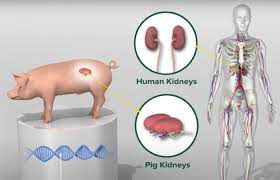
The latest developments in gene-editing technology, specifically CRISPR-Cas9, have allowed scientists to move past the initial hurdle of preventing immediate organ rejection. As researchers refine these porcine (pig) models, the conversation is shifting from survival to optimization.
The New Frontier of Xenotransplantation
For decades, xenotransplantation was viewed as a desperate, last-resort measure. However, following several landmark procedures—including the 2022 and 2023 transplants of genetically modified pig hearts into living patients at the University of Maryland Medical Center—the field has entered a period of rapid acceleration.
Dr. Muhammad Mohiuddin, Director of the Cardiac Xenotransplantation Program at the University of Maryland School of Medicine, has been at the forefront of this research. The potential, he suggests, lies in the ability to “edit” the organ before it ever enters a human body. Unlike human donor organs, which often come from deceased individuals with varying health histories, pig organs can be genetically tailored to be more resilient, less inflammatory, and potentially even resistant to certain human diseases.
“We are no longer just looking for a substitute,” says Dr. Robert Montgomery, Director of the NYU Langone Transplant Institute, who performed the first successful transplant of a genetically modified pig kidney into a brain-dead human recipient. “We are looking at the possibility of an organ that is engineered to be more durable and less susceptible to the chronic stresses that typically wear down human transplants.”
Why “Better Than Human”?
The concept of a “superior” pig organ rests on three pillars of genetic engineering:
-
Immune Evasion: Human donor organs require recipients to take heavy loads of immunosuppressant drugs for the rest of their lives, which carry risks of infection and kidney failure. By knocking out specific pig genes that trigger human immune responses and adding human “protective” genes, scientists hope to create organs that the body barely recognizes as foreign, potentially reducing the need for toxic drugs.
-
Viral Resistance: Pigs used for these procedures are raised in “pathogen-free” environments. Furthermore, researchers are using gene-editing to inactivate porcine endogenous retroviruses (PERVs). This level of biological “cleaning” means these organs could be safer than human organs, which may carry latent infections like hepatitis or cytomegalovirus (CMV).
-
Anatomical Tailoring: Pig organs, particularly hearts and kidneys, are remarkably similar in size and physiology to human ones. However, humans are bipedal and pigs are quadrupedal, leading to different blood pressure demands. Engineering pig organs to better withstand human blood pressure could lead to longer-lasting grafts than those currently harvested from human donors.
The Statistical Reality of the Waitlist
The urgency behind this research is fueled by a chronic shortage. According to the United Network for Organ Sharing (UNOS), more than 100,000 people in the United States are currently on the national transplant waiting list. Seventeen people die every day waiting for an organ that never arrives.
In the UK, NHS Blood and Transplant reports similar pressures, with thousands waiting for kidneys, the most in-demand organ. Currently, the average wait time for a human kidney can span three to five years. Xenotransplantation offers the promise of an “off-the-shelf” solution, where a patient could receive a scheduled transplant within days of a diagnosis, rather than waiting years for a tragedy to provide a donor.
Navigating the Ethical and Biological Hurdles
Despite the optimism, the road to “superior” organs is paved with significant challenges. One primary concern is the potential for zoonosis—the jump of a virus from animals to humans. While PERVs have been inactivated in many experimental lines, the long-term risk of a new pathogen entering the human population remains a point of rigorous debate among public health officials.
Furthermore, there are ethical considerations regarding the large-scale rearing of animals for organ harvest. While pigs are already widely used in the food industry and for medical products like insulin and heart valves, the creation of “organ farms” raises new questions about animal welfare and the boundaries of genetic manipulation.
“We must move with caution,” says Dr. Karen Maschke, a Senior Research Scholar at The Hastings Center. “While the medical potential is staggering, we have to ensure that the clinical trials are designed with the highest level of transparency and that we are not over-promising to a vulnerable population of patients.”
What This Means for Patients
For the average health-conscious reader, these developments do not mean that pig organs will be available at the local hospital next year. The field is currently in the phase of “compassionate use” cases and highly controlled clinical trials.
However, the implications for public health are profound. If xenotransplantation becomes a standard of care, it could effectively eliminate the organ transplant waiting list within the next two decades. It could also expand the criteria for who is eligible for a transplant; currently, many patients are deemed “too sick” or “too old” for the limited supply of human organs. An unlimited supply would allow doctors to intervene earlier, preventing the debilitating decline associated with end-stage organ failure.
The Path Forward
The next five years will be critical. Regulatory bodies like the U.S. Food and Drug Administration (FDA) are working closely with biotech companies like United Therapeutics and eGenesis to establish the framework for formal Phase I clinical trials.
The goal is no longer just to prove that a pig organ can keep a human alive for a few months. The goal is to prove that a genetically optimized pig organ can provide a better quality of life, for a longer period, than the current gold standard of human-to-human transplantation.
As the technology matures, the “designer organ” may move from the realm of science fiction into the operating room, forever changing what it means to be a transplant recipient.
Medical Disclaimer: This article is for informational purposes only and should not be considered medical advice. Always consult with qualified healthcare professionals before making any health-related decisions or changes to your treatment plan. The information presented here is based on current research and expert opinions, which may evolve as new evidence emerges.
References and Sources
- https://www.theguardian.com/science/2025/dec/26/pig-organ-transplants-could-one-day-be-superior-to-human-ones-says-expert