 0
0
 0
0
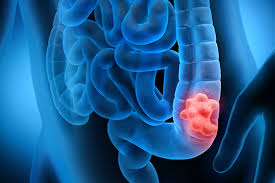
For decades, colorectal cancer was largely considered a disease of the elderly, with screening guidelines traditionally beginning at age 50. However, a jarring shift in oncology is underway. Rates of colorectal cancer (CRC) in adults under 50 have nearly doubled since the 1990s. While researchers have long scrutinized diet, sedentary lifestyles, and environmental toxins, a groundbreaking new study suggests a physical factor may be hiding in plain sight: the mechanical stiffness of the colon itself.
New research, recently highlighted by biomechanical engineers and oncologists, suggests that increased stiffness in the extracellular matrix—the “scaffolding” that supports cells—within the colon may play a critical role in the development and progression of early-onset colorectal cancer. This discovery offers a fresh perspective on why younger populations are increasingly vulnerable and could pave the way for earlier diagnostic tools that go beyond traditional genetic screening.
The Mechanical Roots of Malignancy
Historically, cancer research has focused on genetic mutations—the “blueprints” of the cell gone wrong. However, the emerging field of mechanobiology looks at the “neighborhood” in which those cells live. In a healthy body, the colon tissue is flexible and elastic. As we age, or due to chronic inflammation, this tissue can become rigid, a process known as fibrosis.
According to the study, this stiffness isn’t just a byproduct of the cancer; it may actually be a precursor and a driver. When the environment surrounding a cell becomes too rigid, it sends mechanical signals to the cell’s nucleus. These signals can “flip switches” that promote rapid cell division and movement, the very hallmarks of tumor growth.
“We are beginning to understand that the physical environment of a cell is just as influential as its genetic makeup,” says Dr. Elena Rossi, a gastroenterologist not involved in the study. “If the colon wall becomes a stiff, high-pressure environment, it essentially ‘coaches’ healthy cells to behave like malignant ones.”
Why the Shift to Younger Adults?
The rise of early-onset colorectal cancer has baffled the medical community, as many younger patients do not fit the traditional risk profile. They often lack a family history of the disease and maintain active lifestyles. This study suggests that “mechanical aging” of the tissue might be occurring prematurely in younger generations.
Factors contributing to this premature stiffness may include:
-
Chronic Low-Grade Inflammation: Often linked to the modern Western diet, which is high in ultra-processed foods.
-
Microbiome Dysbiosis: An imbalance in gut bacteria that can trigger the overproduction of collagen, leading to tissue scarring.
-
Environmental Stressors: Exposure to microplastics or specific pollutants that may alter the structural integrity of the intestinal wall.
Statistical context underscores the urgency of this research. According to the American Cancer Society, while CRC deaths are dropping among older adults due to increased screening, they are rising by about 1% to 2% annually in people under age 55. If current trends continue, colorectal cancer is projected to become the leading cause of cancer death in people aged 20-49 by the year 2030.
From Detection to Prevention: What This Means for Patients
The implications of “colon stiffness” as a risk factor are significant for future diagnostics. Currently, a colonoscopy is the gold standard for detection, but it primarily looks for visible growths (polyps).
“If we can develop non-invasive ways to measure tissue tension or stiffness—perhaps through advanced imaging like magnetic resonance elastography (MRE)—we might be able to identify ‘high-risk’ environments before a tumor even forms,” says Dr. Marcus Thorne, an oncology researcher.
For the health-conscious consumer, this research reinforces the importance of “anti-fibrotic” lifestyle choices. While you cannot manually “stretch” your colon, you can influence the flexibility of your internal tissues through:
-
High-Fiber Intake: Fiber fermentation in the gut produces short-chain fatty acids like butyrate, which have been shown to reduce inflammation and potentially limit tissue scarring.
-
Hydration: Proper hydration is essential for maintaining the viscoelastic properties of mucosal tissues.
-
Regular Physical Activity: Exercise has a systemic effect on reducing chronic inflammation, which is a primary driver of tissue stiffness.
A Balanced Perspective: The Limitations
While the link between tissue mechanics and cancer is compelling, experts urge caution. Most of the current data regarding colon stiffness comes from laboratory models and small-scale human tissue samples.
“We are still in the ‘proof of concept’ phase,” notes Dr. Rossi. “Stiffness is a piece of the puzzle, but it isn’t the whole picture. We cannot yet say that a ‘stiff colon’ causes cancer in the same way we can say smoking causes lung cancer. It is likely a synergistic effect between mechanics, genetics, and the microbiome.”
Furthermore, it remains unclear whether the stiffness observed in younger patients is a cause or a very early consequence of microscopic cellular changes. More longitudinal studies are needed to determine if measuring tissue tension can accurately predict cancer risk in the general population.
The Future of Colorectal Health
As the medical community adapts to the “new normal” of younger cancer patients, the focus is shifting toward precision medicine. Understanding the mechanical triggers of the colon allows scientists to look for new drug targets that could “soften” the tissue or block the cell’s ability to sense the stiffness, potentially halting the transition to cancer.
For now, the advice for adults of all ages remains clear: do not ignore symptoms such as persistent changes in bowel habits, abdominal pain, or unexplained weight loss, regardless of your age. With the recommended screening age now lowered to 45 in the United States, early detection remains the most powerful tool in the fight against this increasingly “young” disease.
Medical Disclaimer:
This article is for informational purposes only and should not be considered medical advice. Always consult with qualified healthcare professionals before making any health-related decisions or changes to your treatment plan. The information presented here is based on current research and expert opinions, which may evolve as new evidence emerges.
References
-
Supporting Material: Lokmat Times. (2024). Study shows a stiffer colon may raise the risk of early-onset colorectal cancer. Link