 0
0
 0
0
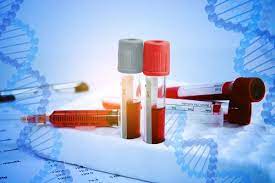
In a historic medical breakthrough, a Bengaluru lab has discovered a never-before-seen human blood group antigen, marking a pivotal moment for global transfusion medicine and genetics. The case involves a 38-year-old woman from Kolar district, Karnataka, who was admitted for cardiac surgery and initially classified as having O Rh-positive blood—the most common blood type. However, her blood turned out to be incompatible with all available O-positive donor units, raising immediate red flags among her doctors.
The Search for Answers
Despite testing her blood against samples from 20 family members and multiple donors, no compatible match could be found—her blood was found to be “panreactive,” or incompatible with every known sample. Suspecting an unprecedented blood anomaly, her case was escalated to the Advanced Immunohematology Reference Laboratory at the Rotary Bangalore TTK Blood Centre and eventually the globally renowned International Blood Group Reference Laboratory (IBGRL) in Bristol, UK.
Discovery of the CRIB Antigen
After ten months of rigorous genetic and serological analysis, scientists identified a previously unknown antigen in her red blood cells belonging to the Cromer blood group system—a system already known for complex immune interactions. To honor the place of discovery, the new antigen was officially named CRIB (CR for Cromer, and IB for India, Bangalore). This was announced on the world stage at the 35th Regional Congress of the International Society of Blood Transfusion (ISBT) in Milan, Italy, in June 2025, establishing the woman as the only known person globally with the CRIB antigen.
Why the CRIB Blood Group Matters
-
Transfusion Medicine: The CRIB antigen challenges established transfusion safety protocols, demanding new antibody screening kits and rare donor registries.
-
Organ Transplantation and Prenatal Diagnostics: Its discovery has immediate ramifications for organ transplants and managing hemolytic disease of the fetus and newborn (HDFN)—a condition where maternal antibodies attack fetal red blood cells.
-
Genetic and Clinical Screening: The case demonstrates the critical need for enhanced genetic screening, especially in countries like India with high genetic diversity, and signals that many more ultra-rare blood groups may exist undetected.
Creating a Rare Donor Registry
Following this discovery, the Rotary Bangalore TTK Blood Centre, in partnership with the Karnataka State Blood Transfusion Council and other leading medical bodies, has established a Rare Donor Registry. This initiative aims to prepare for cases involving unique or ultrarare antigens and improve healthcare readiness in critical situations.
The Patient’s Outcome
Despite the blood group anomaly, the woman’s cardiac surgery was completed successfully without a transfusion, thanks to expert coordination between medical teams in India and the UK. Her case sets a powerful example of international medical collaboration and underscores the still-evolving complexity of human biology.
“Her blood was panreactive to every sample tested. This discovery challenges the foundation of existing transfusion science and opens new horizons for medicine.”
— Dr. Ankit Mathur, Rotary Bangalore TTK Blood Centre
Disclaimer
This article is based on publicly available information as of August 2, 2025, and is for informational purposes only. It does not constitute medical advice or professional guidance. If you have concerns about blood transfusion or genetic compatibility, please consult a qualified healthcare provider.