 0
0
 0
0
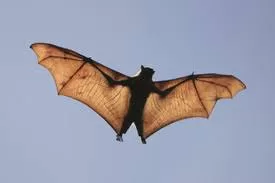
Bats, those small nocturnal mammals weighing less than an ounce, are defying the odds not just by living exceptionally long lives—some reaching up to 35 years in the wild (equivalent to about 180 human years)—but also by remaining remarkably free of cancer. This phenomenon, which challenges established patterns among mammals, has long puzzled scientists. Now, a team from the University of Rochester believes they have uncovered the biological blueprint behind bats’ cancer resistance and longevity.
Led by Vera Gorbunova and Andrei Seluanov of the Wilmot Cancer Institute and Department of Biology, the researchers focused on four bat species representing both major bat lineages. Their findings, published in Nature Communications, reveal a sophisticated interplay between enhanced tumor suppressor genes, self-renewing chromosomes, and a uniquely balanced immune system.
Key Discoveries
-
Extra Copies of Tumor Suppressor Genes: The little brown bat (Myotis lucifugus) carries two working copies of the tumor suppressor gene p53, compared to the single copy found in humans. High levels of p53 enable bats to eliminate cancer cells through apoptosis before they become harmful.
-
Self-Renewing Chromosomes: Bats maintain long chromosome tips (telomeres) thanks to constitutive telomerase, an enzyme most human tissues silence with age. This helps tissues regenerate without the risk of crisis, while their vigilant p53 system prevents uncontrolled cell growth.
-
Balanced Immune System: Bats’ immune systems are finely tuned to detect and clear threats efficiently, but without overreacting. They suppress excessive inflammation, which is a common precursor to cancer in aging tissues, and have expanded natural killer cell receptor families for constant surveillance.
Implications for Human Health
The study highlights that bats are not inherently resistant to cancer—it only takes two genetic “hits” for their cells to turn malignant in laboratory conditions. However, their robust tumor-suppressor mechanisms swiftly eliminate rogue cells. This insight is already influencing cancer research, with experimental drugs seeking to boost human p53 activity and reactivate telomerase in aged tissues. The Rochester team suggests that pairing such therapies with stronger p53 safeguards could help control runaway cell growth in humans.
Looking Ahead
Bats join a select group of long-lived, cancer-resistant animals, including naked mole rats and elephants. Their diverse adaptations offer new evolutionary paths toward disease resistance and healthy aging. Scientists believe that translating these findings into human therapies could unlock new ways to fight both cancer and aging.
Disclaimer:
The information in this article is based on recent scientific research and is intended for educational and informational purposes only. While findings offer promising insights, translating bat biology into effective human therapies is complex and requires further study. Always consult a healthcare professional for medical advice and treatment options.
(Source: Earth.com, University of Rochester, Nature Communications)