 0
0
 0
0
Dhaka, October 6, 2025 — Bangladesh is currently facing a severe dengue outbreak that has claimed 212 lives so far this year, marking a troubling escalation in the mosquito-borne disease’s impact on the nation’s public health. In the most recent 24-hour period, nine new fatalities were reported alongside over 1,000 hospitalizations nationwide, underscoring the aggressive spread and dangerous complications associated with dengue fever during this outbreak season.
Key Developments and Statistics
The country has seen a sharp increase in dengue cases, with the Directorate General of Health Services reporting nearly 60,000 confirmed cases in 2025. Hospital wards in Dhaka and other major cities are overwhelmed, with facilities operating beyond capacity as they struggle to provide adequate care to patients exhibiting severe dengue symptoms such as high fever, rashes, dehydration, and in some cases, hemorrhagic manifestations.
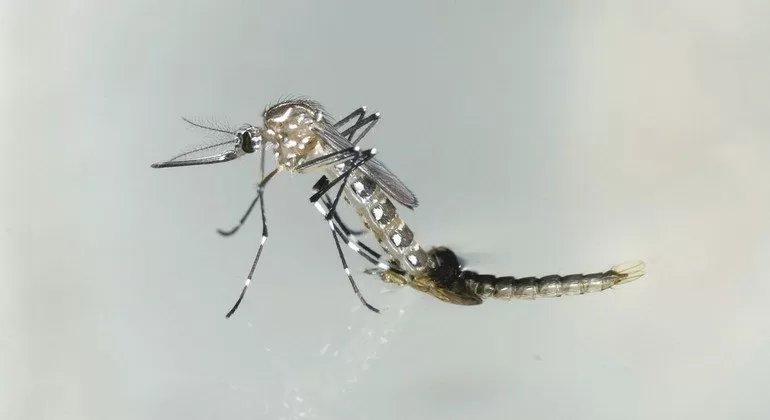
Health officials attribute the surge partly to extended monsoon rains and stagnant water, fostering prolific breeding grounds for Aedes aegypti mosquitoes, the primary vectors of the dengue virus. Last year’s outbreak was the deadliest recorded in Bangladesh, with over 1,700 deaths and more than 320,000 infections; experts are closely monitoring this year’s outbreak to prevent a repeat scenario.
Expert Commentary and Context
Dr. ABM Abdullah, a seasoned physician, highlights the heightened risk for children, stating, “Children are particularly vulnerable to rapid fluid loss and shock, making severe dengue extremely dangerous for young patients. Early recognition of warning signs like persistent fever or bleeding can be lifesaving.” Meanwhile, entomologist Kabirul Bashar from Jahangirnagar University linked the outbreak’s severity to climatic changes, noting prolonged rainfall and urbanization have expanded mosquito breeding habitats, including construction sites, rooftops, and even plant holders.
Bangladesh’s healthcare system is under intense pressure with hospitals beyond occupancy limits. Dhaka Medical College Hospital, the nation’s largest public hospital, reports patient loads triple the intended capacity as the dengue epidemic overlaps with a resurgence of chikungunya cases, compounding the public health challenge.
Implications for Public Health
This outbreak highlights critical issues in vector control and community awareness. Authorities have called for coordinated mosquito eradication campaigns combined with public engagement in eliminating stagnant water sources. Preventive measures such as the use of mosquito repellents, protective clothing, and insecticide-treated nets remain essential. Moreover, early medical consultation upon symptom onset is crucial to reducing mortality.
Potential Limitations and Counterpoints
Though the official figures are alarming, some health experts caution that under-reporting or delayed diagnosis in rural areas might obscure the outbreak’s full scale. Additionally, the overlapping outbreak of chikungunya, which shares the same mosquito vector but presents different clinical patterns with lower fatality rates, complicates resource allocation and response strategies.
What This Means for Readers
For the general public, understanding dengue symptoms—high fever, severe headaches, muscle and joint pain, rash, and bleeding signs—is vital. Prompt medical evaluation is necessary, especially in dengue-endemic regions or during outbreak seasons. Community participation in mosquito control remains a key pillar in outbreak mitigation.
Medical Disclaimer: This article is for informational purposes only and should not be considered medical advice. Always consult with qualified healthcare professionals before making any health-related decisions or changes to your treatment plan. The information presented here is based on current research and expert opinions, which may evolve as new evidence emerges.
References:
-
Directorate General of Health Services, Bangladesh. Dengue Dynamic Dashboard. Published 2025. Available at: https://dashboard.dghs.gov.bd/pages/heoc_dengue_v1.phpdghs+1