 0
0
 0
0
Bangladesh is currently facing a severe dengue outbreak in 2025, with cases and fatalities rising sharply across the country. In recent days, the Directorate General of Health Services (DGHS) reported that the death toll from dengue has surpassed 300, with fresh infections continuing to surge, signaling a worsening health crisis.
Key Findings and Developments:
As of early November 2025, Bangladesh has confirmed over 75,000 dengue cases, with 307 deaths reported nationwide. The last 24-hour period alone saw over 1,034 new infections and 5 additional deaths. These staggering numbers reflect an intensification of the outbreak beyond previous years, with certain months witnessing unprecedented daily increases in both cases and fatalities. Hospitals across the country, particularly in major urban centers like Dhaka, are experiencing significant strain from the rising number of dengue patients.
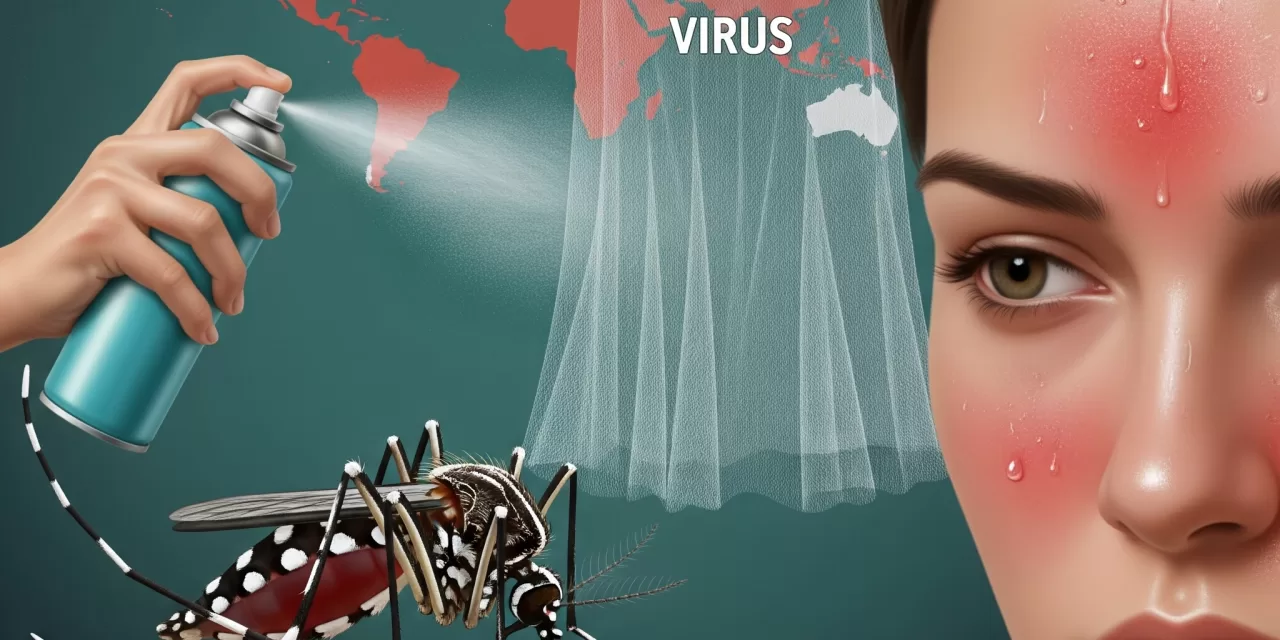
Experts attribute this escalation to a combination of factors. Climate change has prolonged the monsoon season, extending the mosquito breeding period. Erratic rainfall, rising temperatures, and high humidity have created ideal conditions for the Aedes aegypti mosquito, the primary dengue vector. Additionally, rapid urbanization, poor waste management, and stagnant water in construction sites have led to expanded mosquito breeding grounds. There is also growing concern that dengue is spreading beyond urban areas into smaller towns and rural regions, increasing the risk of becoming endemic nationwide.
Expert Commentary:
Professor Kabirul Bashar, an entomologist at Jahangirnagar University, emphasized the urgency of coordinated mosquito control efforts, stating, “If we do not take action immediately, the situation may spiral beyond our control.” He highlighted that the extended wet season and delays in cleanup and fogging operations have exacerbated the outbreak’s severity. Physician ABM Abdullah underscored the vulnerability of children, noting that they are at higher risk for severe dengue complications due to rapid fluid loss and shock, warning parents to watch for early symptoms like persistent fever and bleeding gums.
Context and Background:
Dengue is a mosquito-borne viral infection causing flu-like symptoms and potentially severe complications such as hemorrhagic fever and shock syndrome. Bangladesh has experienced cyclical dengue outbreaks, with the worst year recorded in 2023, seeing over 321,000 cases and 1,705 deaths. The current situation reflects an emerging trend of earlier onset and increasing geographical spread of dengue, with projections estimating annual cases in the hundreds of thousands and deaths potentially exceeding previous records. The dominant dengue virus serotypes currently circulating are DENV2 and DENV3.
Public Health Implications:
The escalating dengue outbreak poses a serious public health challenge for Bangladesh, especially as health infrastructure faces overwhelming patient loads. Immediate intensified efforts in vector control, including larval elimination, fogging, and public education on preventing mosquito breeding, are critical. Climate-adaptive planning and year-round preparedness strategies are also needed to mitigate future outbreaks. The spread into rural areas calls for expanded surveillance and community engagement across all districts.
Potential Limitations and Counterarguments:
While dengue cases and deaths are rising rapidly, some experts caution that underreporting and diagnostic challenges may affect the accuracy of data. Moreover, public health response effectiveness depends largely on local governance and community participation, which have been variable. Additionally, chikungunya virus infections, often occurring alongside dengue, add complexity to diagnosis and management, though chikungunya generally results in less mortality.
Practical Advice for Readers:
Residents in Bangladesh and travelers to the region should be vigilant for dengue symptoms such as high fever, rash, muscle and joint pain, and bleeding manifestations. Protective measures include using mosquito repellents, wearing long-sleeved clothing, and ensuring elimination of standing water where mosquitoes breed. Early medical consultation is essential if symptoms develop, particularly for children who may rapidly progress to severe illness.
Medical Disclaimer: This article is for informational purposes only and should not be considered medical advice. Always consult with qualified healthcare professionals before making any health-related decisions or changes to your treatment plan. The information presented here is based on current research and expert opinions, which may evolve as new evidence emerges.
References:
- https://dashboard.dghs.gov.bd/pages/heoc_dengue_v1.php
- https://www.newsonair.gov.in/bangladesh-dengue-death-toll-crosses-250-over-56000-cases-reported-in-2025/