 0
0
 0
0
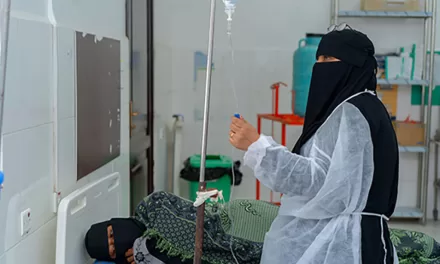
According to the Directorate General of Health Services (DGHS) of Bangladesh, as of September 21, 2025, the nation has reported 179 dengue-related deaths and 48,831 confirmed cases since the start of the year. In the most recent 24-hour period alone, 740 new patients were hospitalized, underscoring the rapid pace at which the epidemic is spreading. Fatalities and fresh cases have been reported from multiple regions, including Barishal, Dhaka North City, Dhaka South City, Chattogram, and Mymensingh. More than 2,000 patients are currently receiving inpatient care in hospitals across the country, and the case counts continue to climb daily.
Key Findings and Developments
-
The number of dengue deaths in 2025 is already a significant public health concern, especially given that last year’s total was 575 fatalities for the entirety of 2024. September has emerged as the deadliest month in 2025 so far.
-
Health officials note that the current spike in infections and deaths is trending higher and faster than in past years, with warnings from experts that the situation is deteriorating more rapidly than in 2024.
-
The June-September monsoon season is historically the period of highest dengue transmission in Bangladesh due to increased mosquito breeding associated with standing water and favorable climatic conditions.
-
Hospitals have been directed to create dedicated dengue wards and establish multidisciplinary teams specializing in dengue and chikungunya management, reflecting a strategic focus on hospital-level preparedness.
Context and Background
Dengue is a mosquito-borne viral disease primarily transmitted by Aedes aegypti mosquitoes. Bangladesh has experienced a notable surge in dengue activity over the past several years, culminating in a record 1,705 deaths and more than 321,000 infections in 2023—the highest on record for the country. Several contributing factors have been identified in recent scientific reviews:
-
Climatic changes, such as increased rainfall and temperature extremes, foster ideal conditions for mosquito breeding.
-
Rapid urbanization and high population density in cities like Dhaka create environments where mosquito control is challenging.
-
Factors like insecticide resistance and insufficient community engagement exacerbate disease transmission risks.
A recent review in Frontiers in Microbiology emphasizes that dengue now affects all regions of Bangladesh, including areas not previously considered dengue-endemic. Outbreaks are spreading beyond capital districts into rural and less-prepared regions, overwhelming local healthcare infrastructure and increasing the risk of severe complications and mortality.
Expert Commentary
Leading infectious disease experts and epidemiologists stress the importance of integrated measures to control the outbreak. “The scale of the crisis requires multipronged strategies including vigilant surveillance, community-led vector control, and strengthened clinical management capacity,” says Dr. Shahadat Hossain, an infectious disease specialist at Dhaka Medical College (not affiliated with the study).ement, and dedicated inpatient monitoring can reduce severe dengue complications and mortality, particularly among vulnerable groups.”
Bangladeshi health officials have responded by updating hospital protocols—mandating dedicated wards, improved emergency care, enhanced testing (including the NS-1 antigen test), and prioritizing ICU support for severe cases. Community awareness campaigns and citywide mosquito eradication efforts have also been intensified.
Implications for Public Health and Everyday Life
-
Current scientific data and public health guidance stress the importance of personal and community-level protection measures to curtail dengue transmission, such as eliminating standing water, using mosquito repellents, installing window screens, and wearing long-sleeved clothing.
-
Prompt medical attention for symptoms like persistent high fever, severe headache, muscle pain, and bleeding tendencies is critical, especially for at-risk individuals such as children, the elderly, and people with chronic health conditions.
-
Health authorities underscore that dengue has no specific antiviral treatment or universally effective vaccine as of September 2025 in Bangladesh, making prevention and supportive care paramount.
-
The World Health Organization and national agencies recommend early diagnosis, close clinical monitoring, and proactive fluid management to reduce severe complications from dengue.
Limitations and Challenges
-
While the official statistics provide a broad view of the outbreak, experts caution that actual case numbers may be underreported due to limitations in surveillance, especially in rural areas and private healthcare settings.
-
The capacity of many hospitals to manage severe dengue cases remains stretched, highlighting the need for continued resource mobilization and workforce training.
-
Long-term solutions will require robust climate adaptation policies, ongoing vector control innovation, and further research into vaccine deployment and antiviral therapies.
Balanced Perspective and Next Steps
Despite alarming numbers, public health experts emphasize that most dengue cases remain mild and recoverable with adequate supportive care. However, as case fatality and hospitalization rates inch upward, sustained vigilance and coordinated response are imperative. Families are encouraged to follow local health authority advisories, participate in cleanup drives to eliminate mosquito breeding sites, and ensure timely access to medical care.
Medical Disclaimer
“Medical Disclaimer: This article is for informational purposes only and should not be considered medical advice. Always consult with qualified healthcare professionals before making any health-related decisions or changes to your treatment plan. The information presented here is based on current research and expert opinions, which may evolve as new evidence emerges.”
References