 0
0
 0
0
DHAKA, December 1, 2025 – The dengue crisis in Bangladesh has intensified as health authorities confirmed five additional deaths in the last 24 hours, bringing the nation’s official death toll for 2025 to 382. With the total number of hospitalizations crossing the 94,000 mark this week, public health experts are sounding the alarm over the virus’s persistent spread into rural regions and the lengthening transmission season driven by shifting climate patterns.
A Persistent Threat
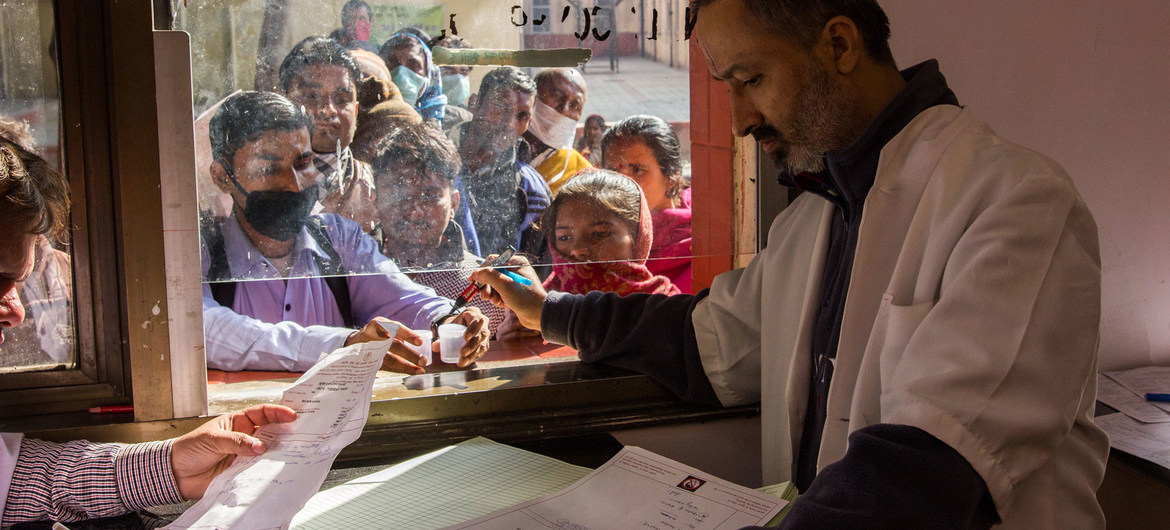
According to the latest data from the Directorate General of Health Services (DGHS), the five new fatalities were reported in Chattogram, the Khulna Division, and the Dhaka South City Corporation (DSCC). In the same 24-hour window leading up to Sunday morning, hospitals across the country admitted 636 new patients, pushing the total caseload for the year to 94,402.
While the death toll has not yet reached the catastrophic highs of 2023—which saw over 1,700 fatalities—the current figures remain a significant concern for health officials. By comparison, the entire year of 2024 recorded 575 deaths. With a month remaining in 2025 and nearly 2,000 patients currently undergoing treatment in hospitals nationwide, authorities fear the final toll could rise further.
Shifting Battlegrounds
Historically, dengue in Bangladesh was largely a phenomenon centered in the dense urban sprawl of Dhaka. However, 2025 has marked a disturbing shift in the virus’s epidemiology.
“We are witnessing a decentralization of the outbreak,” explains Dr. Kabirul Bashar, a prominent entomologist and professor at Jahangirnagar University, who tracks vector-borne diseases. “The virus is no longer confined to the capital. We are seeing new, aggressive hotspots emerging in the Barishal, Chattogram, and Khulna divisions. This geographic expansion suggests that the Aedes mosquito has successfully established breeding populations in rural and semi-urban areas that were previously considered low-risk.”
This spread poses a unique challenge for the healthcare infrastructure. Rural facilities, often less equipped to handle severe dengue cases compared to Dhaka’s specialized hospitals, are facing increasing pressure. The presence of multiple viral strains—specifically DENV-2 and DENV-3—circulating simultaneously has also complicated clinical management.
The Climate Connection
Medical experts point to environmental factors as a primary driver of the prolonged outbreak. The traditional “dengue season,” which usually tapers off by October, has extended well into the winter months of 2025.
“Climate change is fundamentally altering the behavior of the vector,” Dr. Bashar notes. “Erratic rainfall patterns combined with higher-than-average humidity levels have created ideal breeding conditions year-round. We are seeing transmission occur in months where the virus was historically dormant.”
Strains and Severity
The circulation of the DENV-3 and DENV-2 serotypes is particularly concerning for epidemiologists. Infection with one strain provides lifelong immunity to that specific serotype but only temporary protection against others. Subsequent infections with a different serotype increase the risk of developing severe dengue (formerly known as dengue hemorrhagic fever), which can be fatal if not treated promptly.
“The risk of severe complications, such as plasma leakage and shock, is significantly higher in secondary infections,” says a senior physician at Dhaka Medical College Hospital. “With the virus now endemic across all 64 districts, a larger portion of the population is at risk of these secondary exposures.”
Public Health Response and Advisory
In response to the surging cases, the Ministry of Health and Family Welfare issued a fresh advisory earlier this month urging heightened vigilance. The directive emphasizes that the Aedes mosquito, known for its daytime biting habits, requires citizens to use mosquito nets even during the day, particularly for sleeping children and the elderly.
The Ministry’s key recommendations for the public include:
-
Immediate Testing: Seek medical attention and get tested (NS1 antigen test) at the immediate onset of fever.
-
Source Reduction: Clean and remove stagnant water from household items like flower pots, tires, and AC trays, where mosquitoes breed.
-
Symptom Monitoring: Do not ignore warning signs even if the fever subsides. Severe abdominal pain, persistent vomiting, and bleeding gums are critical markers of severe dengue requiring emergency care.
Global Context
Bangladesh is not alone in this battle. The World Health Organization (WHO) reports that 2025 has been a challenging year for vector-borne diseases globally, with over 4.5 million dengue cases reported worldwide. The rise mirrors trends in other tropical nations where urbanization and climate change are expanding the mosquito’s habitat.
As the country moves into December, the priority for health officials remains twofold: managing the clinical load in hospitals to prevent further fatalities and intensifying vector control measures to break the chain of transmission before the next monsoon season.
Medical Disclaimer: This article is for informational purposes only and should not be considered medical advice. Always consult with qualified healthcare professionals before making any health-related decisions or changes to your treatment plan. The information presented here is based on current research and expert opinions, which may evolve as new evidence emerges.
References:
-
Primary Statistics: Directorate General of Health Services (DGHS), Bangladesh via The Hans India & United News of Bangladesh (UNB). “Dengue claims five more lives in Bangladesh, 2025 death toll crosses 380.” Published November 30, 2025.
-
Expert Commentary: Professor Kabirul Bashar, Entomologist, Jahangirnagar University. Comments on climate impact and vector behavior cited from Energy News and Mongabay (2025 reports).
-
Epidemiological Data: “Escalating Dengue Burden and Emerging Hotspots in Bangladesh: A Decade of Trends and 2025 Forecast.” Science Publishing Group / ResearchGate.
-
Global Context: European Centre for Disease Prevention and Control (ECDC). “Dengue worldwide overview,” November 2025.
-
Public Health Advisory: Ministry of Health and Family Welfare, Government of Bangladesh. Advisory issued November 6, 2025.