 0
0
 0
0
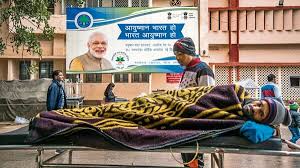
Since its launch in 2018, the Ayushman Bharat scheme has facilitated over 9.19 crore (91.9 million) hospital admissions across India, marking a transformative milestone in the country’s healthcare landscape. This flagship government health insurance initiative, officially known as the Pradhan Mantri Jan Arogya Yojana (PM-JAY), aims to provide financial protection and access to quality secondary and tertiary healthcare for vulnerable and low-income populations nationwide.
Key Findings and Developments
As per the latest National Health Authority report for 2024-25, Ayushman Bharat has authorized hospital treatments valued at approximately Rs 1.29 lakh crore (around $16 billion USD). The scheme covers up to Rs 5 lakh per family annually and now benefits nearly 40.5 crore (405 million) issued Ayushman cards, which represent eligible beneficiaries. Dialysis is the most frequently utilized treatment modality under the scheme, reflecting the burden of chronic kidney disease among the population. More than 31,000 hospitals are empaneled to provide cashless care, with a majority being public hospitals though private sector facilities account for a significant share of service delivery.
Expert Perspectives
Dr. Anil Kumar, a public health expert not involved with the scheme’s administration, notes, “Ayushman Bharat is the world’s largest government-funded health insurance program, and its scale and scope are unprecedented. It has been instrumental in reducing catastrophic out-of-pocket expenditures for millions of families, enabling access to expensive and critical treatments that were previously unaffordable.” He emphasizes that the inclusion of vulnerable groups such as frontline workers and seniors above 70 further underscores the scheme’s comprehensive approach to social health equity.
Context and Background
Ayushman Bharat, launched under the National Health Policy 2017 vision of Universal Health Coverage (UHC), integrates two major components: the creation of 150,000 Health and Wellness Centres (HWCs) for comprehensive primary care, and PM-JAY for secondary and tertiary care insurance coverage. HWCs facilitate accessible preventive, promotive, and ambulatory care within communities, while PM-JAY provides a financial shield against hospitalization costs for serious illnesses. The scheme targets about 120 million poor and vulnerable families identified through the Socio-Economic Caste Census 2011 (SECC), aligning with the Sustainable Development Goals to “leave no one behind.”
Public Health Implications
By extending coverage to a vast population, particularly in rural and underserved areas, Ayushman Bharat significantly reduces the financial barriers inhibiting access to essential healthcare. It has been associated with lowering catastrophic health expenditures and out-of-pocket spending, two critical factors exacerbating poverty in India. The scheme’s emphasis on chronic disease management, including conditions like kidney disease (reflected by high dialysis rates), addresses the shifting epidemiological profile dominated by non-communicable diseases. Moreover, the digital health ecosystem supporting over 76 crore digital health accounts enhances healthcare record management and continuity of care.
Potential Limitations and Counterarguments
Notwithstanding its successes, some critiques note disparities in utilization between public and private empaneled hospitals, with reports indicating 66% of treatment costs incurred in the private sector, which may raise cost containment concerns. Meanwhile, infrastructure challenges and human resource limitations at primary care HWCs still pose barriers to optimal service delivery. Additionally, the scheme’s reliance on the SECC 2011 database for beneficiary identification has been questioned for accuracy and timeliness. Continued evaluations are essential to ensure equitable reach and sustainability.
What This Means for Readers
For the general public, Ayushman Bharat represents a critical safety net against the high costs of hospitalization for serious ailments. Beneficiaries can access an annual health cover of up to Rs 5 lakh with cashless treatment at thousands of hospitals, emphasizing prevention through HWCs and financial protection through hospitalization coverage. Individuals should check eligibility and benefit entitlements via official portals or health facilities to maximize utilization. The program underscores India’s broader commitment to improving health outcomes and financial protection in healthcare.
Medical Disclaimer: This article is for informational purposes only and should not be considered medical advice. Always consult with qualified healthcare professionals before making any health-related decisions or changes to your treatment plan. The information presented here is based on current research and expert opinions, which may evolve as new evidence emerges.
References: