 0
0
 0
0
SEOUL – Health authorities in South Korea have confirmed a new case of highly pathogenic avian influenza (HPAI) at a duck farm in the southwestern region of the country, triggering immediate quarantine protocols and renewing international focus on the persistent threat of the H5 virus strain.
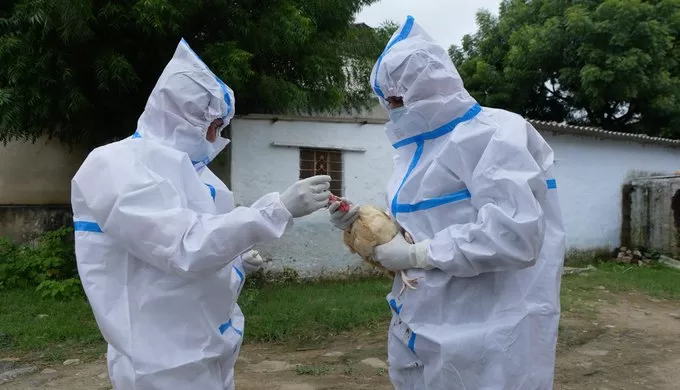
The Ministry of Agriculture, Food and Rural Affairs (MAFRA) reported the outbreak this week after routine testing at a farm in Gochang, North Jeolla Province, revealed the presence of the virus. In response, officials have culled approximately 12,000 ducks at the affected site and established a 10-kilometer protection zone to prevent further transmission. This development comes amid a global uptick in bird flu activity, raising questions about food security, poultry management, and the potential risks to human health.
The Current Situation: Containment and Response
The South Korean government has raised its bird flu alert level, implementing a “standstill” order on poultry movement in the region. This aggressive containment strategy is a hallmark of South Korea’s biosecurity protocol, which has been refined over decades of seasonal outbreaks.
“The primary goal of these immediate actions—culling and movement restrictions—is to create a firebreak,” explains Dr. Elena Rossi, an infectious disease epidemiologist not involved in the South Korean response. “By the time symptoms appear in a flock, the viral load in the environment is often high. Rapid depopulation is a difficult but necessary tool to prevent a regional epidemic.”
Early testing suggests the strain belongs to the H5 family, which has caused devastation across Europe, North America, and Asia over the last two years. While these strains primarily target avian species, their ability to jump between migratory birds and domestic poultry remains a significant challenge for global agriculture.
Why This Matters: The Shift in Avian Flu Patterns
Historically, avian influenza was seen as a seasonal threat, peaking during winter months when migratory birds traveled south. However, the pattern has shifted. Research published in Nature and reports from the World Organisation for Animal Health (WOAH) indicate that the virus is becoming more persistent year-round and across a wider geographic range.
The significance of the South Korean case lies in the broader context of “viral persistence.” South Korea serves as a critical waypoint for several migratory flyways. When H5 strains enter domestic duck populations—which can sometimes carry the virus without showing immediate, severe symptoms compared to chickens—the risk of “silent” spread increases.
Assessing the Human Health Risk
For the general public, the most pressing question is often: Can I catch this?
According to the World Health Organization (WHO) and the Centers for Disease Control and Prevention (CDC), the current risk to the general public remains low. Most human cases of avian influenza have occurred in individuals with direct, prolonged, and unprotected contact with infected birds or heavily contaminated environments.
“We are monitoring these outbreaks closely because every time the virus jumps from a wild bird to a domestic mammal or bird, it has an opportunity to mutate,” says Dr. Jonathan Miller, a clinical consultant in viral pathogens. “However, it is important to state that H5N1 and its derivatives do not currently spread easily between humans. We are in a phase of heightened surveillance, not a phase of public panic.”
Public health officials emphasize that there is no risk of contracting bird flu from properly cooked poultry or eggs, as the virus is destroyed by heat.
Economic and Food Security Implications
The impact of the Gochang outbreak extends beyond biology. South Korea’s poultry industry has faced significant economic strain in previous years due to mass cullings, which lead to spikes in egg and meat prices.
Globally, the “Great Avian Flu Outbreak” that began in 2022 has resulted in the loss of over 131 million domestic poultry birds. For consumers, this translates to “eggflation” and supply chain disruptions. The South Korean government has signaled that it may increase imports of poultry products if the domestic supply is significantly compromised by further outbreaks this season.
The Challenge of Prevention: The “Wild Bird” Factor
One of the greatest hurdles in modern veterinary medicine is the inability to control the source: migratory birds. As these birds travel across borders, they shed the virus in their droppings and respiratory secretions.
Biosecurity at the farm level is the only defense. This includes:
-
Enclosing poultry in bird-proof housing.
-
Strict disinfection of vehicles and footwear entering farms.
-
Minimizing contact with standing water that might be used by wild waterfowl.
Limitations and Counterarguments
While South Korea’s response is robust, some veterinary experts argue that mass culling is a reactive rather than proactive strategy. There is an ongoing international debate regarding the use of poultry vaccines.
Countries like France have begun vaccinating ducks against avian flu, but many nations, including South Korea and the U.S., have been hesitant. The primary concern is that vaccination can mask the presence of the virus, making it harder to detect “silent” spread and potentially complicating international trade, as many countries refuse to import vaccinated poultry due to the difficulty in distinguishing vaccinated birds from infected ones in testing.
What This Means for You
For the average reader, the South Korean outbreak is a reminder of the interconnectedness of animal and human health—a concept known as “One Health.” While you do not need to change your diet or avoid the outdoors, health literacy is key.
Practical Tips:
-
Avoid Sick Wildlife: If you encounter dead or sickly-acting birds in your local park or backyard, do not touch them. Report them to local wildlife or agricultural authorities.
-
Practice Food Safety: Always cook poultry to an internal temperature of 165°F (74.C) and wash hands and surfaces thoroughly after handling raw meat.
-
Stay Informed: Follow updates from reputable sources like the WHO or your national health department rather than social media rumors.
As South Korea enters the peak of its migratory season, the vigilance of its agricultural monitors will be tested. For now, the Gochang case is a contained incident, but in the world of infectious diseases, it serves as a critical data point in a much larger, global puzzle.
Medical Disclaimer: This article is for informational purposes only and should not be considered medical advice. Always consult with qualified healthcare professionals before making any health-related decisions or changes to your treatment plan. The information presented here is based on current research and expert opinions, which may evolve as new evidence emerges.
References and Sources
- https://ommcomnews.com/science-tech/new-bird-flu-case-reported-at-duck-farm-in-south-korea/