 0
0
 0
0
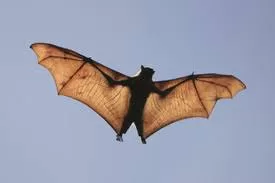
An Australian man in his 50s from northern New South Wales has died after contracting Australian bat lyssavirus (ABLV), a rare and incurable rabies-like infection transmitted by a bat bite. Health authorities confirmed the man was bitten several months ago and received treatment at the time, but succumbed to the disease this week.
This case marks only the fourth recorded human fatality from ABLV in Australia since the virus was first identified in 19962. The virus, which attacks the central nervous system, is closely related to rabies—though rabies itself does not exist in Australia—and is transmitted when bat saliva enters the body through a bite or scratch.
Early symptoms of ABLV infection are similar to the flu, including headache, fever, and fatigue, but the condition rapidly deteriorates, leading to paralysis, delirium, convulsions, and ultimately death. According to the Australian Centre for Disease Control, the illness usually progresses to death within one to two weeks after symptoms appear.
NSW Health has reiterated that there is no effective treatment for ABLV once symptoms develop and strongly advises the public to avoid any contact with bats. If bitten or scratched, immediate first aid is crucial: wash the wound thoroughly with soap and water for 15 minutes, apply an antiseptic, and seek urgent medical attention for rabies immunoglobulin and vaccine.
Since its discovery, ABLV has been found in several bat species, including flying foxes, fruit bats, and insect-eating microbats. Experts emphasize that transmission to humans is extremely rare and only occurs through direct bites or scratches.
“But if you don’t touch bats, you can’t get bitten or scratched. There’s no other way to get lyssavirus other than a bite or a scratch,” said Trish Paterson from the Australian Bat Clinic and Wildlife Trauma Centre.
There have been no reports of human-to-human transmission of the virus.
Disclaimer:
This article is based on information from official health authorities and recent news reports as of July 4, 2025. The situation may evolve as investigations continue. For the most current advice and guidance, consult local health departments or the Australian Centre for Disease Control.