 0
0
 0
0
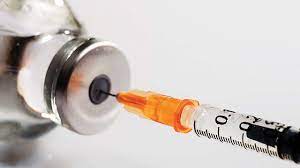
Australia has approved the first-ever chlamydia vaccine to protect its endangered koalas, marking a historic breakthrough in efforts to combat a major threat to this iconic marsupial’s survival. The single-dose vaccine, developed over more than a decade by researchers at the University of the Sunshine Coast (UniSC) in Queensland, has been found to reduce the incidence of chlamydia symptoms during the koalas’ breeding years and decrease mortality from the disease by at least 65%. This development arrives as wild koala populations in eastern Australia face severe decline, with infection rates reaching as high as 70% in some colonies.
A Landmark Vaccine for Koalas
Chlamydia, a sexually transmitted infection also known in humans but caused by a distinct strain in koalas, has been devastating to wild populations. It causes painful urine tract infections, blindness, infertility, and often death, contributing to as much as half of koala fatalities in the wild. The infection spreads through close contact and mating, and young koalas can acquire it in their mother’s pouch. Traditional antibiotic treatments have been problematic because they disrupt the koalas’ gut flora, essential for digesting eucalyptus leaves—their sole food source—sometimes leading to starvation. The approved vaccine addresses these challenges by delivering a single dose that stimulates immunity without repeated captures or treatments.
Professor Peter Timms, a microbiologist leading the UniSC team, emphasized that the vaccine offers “three levels of protection”—by reducing infection rates, preventing the progression to clinical disease, and, in some cases, reversing existing symptoms. He highlighted that some wild colonies, where infection rates can soar to 70%, are “edging closer to extinction every day” without intervention. The vaccine’s approval by the Australian Pesticides and Veterinary Medicines Authority means it is ready for use in wildlife hospitals, veterinary clinics, and field settings, bringing hope for koalas’ survival and recovery.
Research and Results: Evidence of Effectiveness
The vaccine’s development was informed by over ten years of rigorous clinical trials encompassing hundreds of wild and care-reared koalas across multiple generations. The most expansive and longest study of its kind, published recently in the journal Nature, demonstrated that vaccinated koalas had significantly lower incidences of chlamydial disease, with mortality reduced by approximately 65%. The average age at which vaccinated koalas developed chlamydial symptoms was delayed by more than three years—from about five years old to over eight—effectively protecting them through their prime reproductive years.
Dr. Samuel Phillips, a UniSC research fellow and lead author of the study, pointed out that this delay in disease onset is critical for the population’s recovery since it allows more koalas to reproduce before potentially becoming ill. The vaccine combines three chlamydia protein targets with an adjuvant into a single shot, simplifying administration and reducing stress on the animals.
Conservation Context: Urgent Need for Protection
Australia’s koala population has suffered steep declines due to habitat loss, climate change, bushfires, and disease. The national Koala Monitoring Program estimates between 95,000 and 238,000 koalas remain in Queensland, New South Wales, and the Australian Capital Territory, down from broader historical population sizes. The World Wide Fund for Nature reports that koala numbers have halved over the past two decades. Since 2022, koalas have been officially classified as endangered in several regions, underscoring the urgency of conservation measures.
Chlamydia has been recognized as a considerable driver of koala population declines, prompting government investment of nearly AUD 75 million into koala health and habitat programs. This includes funding toward the vaccine’s development, habitat restoration, and ongoing population monitoring.
Expert Perspectives and Limitations
While the vaccine is a significant step forward, experts caution that it is not a stand-alone solution. Dr. Timms stresses that broad efforts to restore and protect koala habitats remain essential to support long-term survival. Additionally, vaccine coverage will require substantial resources to reach wild populations comprehensively.
Antibiotic treatment for chlamydia, although still necessary in severe cases, often fails to prevent reinfections and carries risks for koalas’ nutrition and survival, making vaccination a preferable preventive measure.
Some prior vaccine attempts in other settings showed limited success, and ongoing vigilance to assess long-term effectiveness and potential challenges is vital. Wildlife veterinarians and conservationists emphasize the importance of continued monitoring to evaluate how the vaccine performs in varied ecological contexts.
Implications for Public Health and Conservation
Though chlamydia affects humans and koalas differently, this milestone vaccine highlights the critical role of targeted veterinary interventions in conserving biodiversity. The approach taken in developing this vaccine—years of sustained research, rigorous trials, and collaboration across institutions—serves as a model for tackling wildlife diseases threatening other endangered species.
For the general public and health-conscious readers, this story illustrates the impact of infectious diseases beyond human health and the complex interplay between conservation and veterinary medicine. It underscores the value of vaccines as tools for both public health and ecological preservation, showing that protecting animal health can have broader environmental benefits.
Moving Forward
More than 500 doses are slated for initial distribution next year, with ongoing efforts to secure funding to increase manufacturing capacity and coverage. Wildlife hospitals and veterinary clinics have already expressed interest in the vaccine, with demand estimated at a minimum of 2,000 doses annually. As the rollout advances, the combination of vaccination, habitat management, and population monitoring aims to stabilize and eventually increase wild koala numbers.
This breakthrough is not just a scientific achievement but a hopeful milestone for one of Australia’s most beloved native species, potentially steering koalas away from the brink of extinction and toward recovery.
Medical Disclaimer: This article is for informational purposes only and should not be considered medical advice. Always consult with qualified healthcare professionals before making any health-related decisions or changes to your treatment plan. The information presented here is based on current research and expert opinions, which may evolve as new evidence emerges.
References
- https://www.nbcnews.com/world/asia/australia-approves-first-chlamydia-vaccine-koalas-ravaged-disease-rcna230264