 0
0
 0
0
In a landmark move intensifying the global race for obesity treatments, AstraZeneca announced on January 30, 2026, a collaboration with China’s CSPC Pharmaceutical Group worth up to $18.5 billion. The partnership grants AstraZeneca rights outside Greater China to eight novel peptide-based programs targeting obesity and type 2 diabetes, featuring long-acting formulations designed for once-monthly dosing. This deal, valued at $1.2 billion upfront plus milestones and royalties, leverages CSPC’s AI-enabled platform to address key patient challenges like adherence.
Deal Breakdown
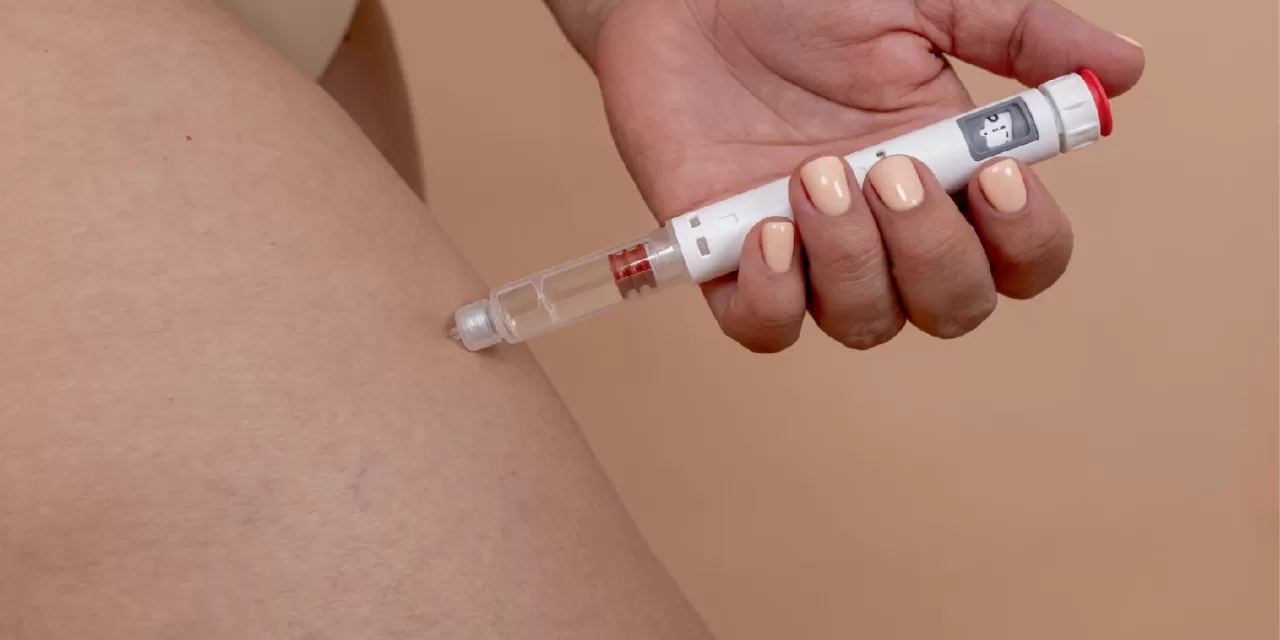
The agreement centers on four initial programs advancing to Phase 1 completion under CSPC’s lead, after which AstraZeneca assumes global development and commercialization ex-China, Taiwan, Hong Kong, and Macau. Lead candidate SYH2082, a dual GLP-1/GIP receptor agonist similar to Eli Lilly’s Zepbound, employs CSPC’s LiquidGel technology for monthly subcutaneous injections, aiming to mimic weekly shots’ efficacy with less frequent administration. The other three preclinical assets feature “differing mechanisms” for broader metabolic benefits, while AstraZeneca gains options for four more programs and rights to integrate CSPC’s dosing tech into its pipeline.
Financially, CSPC receives $1.2 billion immediately, up to $3.5 billion in R&D/regulatory milestones, and $13.8 billion in sales-based payments with tiered royalties—though some reports cite a core $4.7 billion headline value excluding max sales tiers. This builds on AstraZeneca’s prior June 2025 deal with CSPC for other assets, signaling deepening ties amid the UK firm’s $15 billion China investment pledge through 2030.
Scientific Innovations Driving the Partnership
CSPC’s proprietary AI-driven peptide discovery and LiquidGel platform enable peptides stable enough for extended release, potentially transforming incretin-based therapies like GLP-1 agonists (e.g., semaglutide in Wegovy). Current leaders require weekly injections, where adherence drops over time—studies show up to 50% discontinuation within a year due to inconvenience. Monthly dosing could boost persistence, akin to how long-acting HIV meds improved outcomes by simplifying regimens.
Sharon Barr, AstraZeneca’s Executive VP of Biopharmaceuticals R&D, stated: “This strategic collaboration advances our weight management portfolio by delivering novel assets which complement our existing programmes. It will provide access to CSPC’s proprietary AI-enabled peptide capabilities… which have the potential to transform the treatment of obesity, helping to address adherence and convenience as key barriers to long-term therapeutic success.” CSPC’s executive echoed: “We hope this win-win collaboration will deliver the next generation of treatments… to realise global health benefits.”
AstraZeneca’s Broader Obesity Pipeline
This deal bolsters AstraZeneca’s metabolic portfolio, positioning it against giants Novo Nordisk and Eli Lilly. Key assets include oral GLP-1 agonist elecoglipron (Phase 2 for obesity/diabetes), weekly amylin agonist AZD6234 (Phase 2, targeting ≥5-10% weight loss add-on to GLP-1s), and dual GLP-1/glucagon agonist AZD9550 (mid-stage). Preclinical programs round it out, with the CSPC assets adding monthly options to diversify mechanisms and dosing.
Context in the Exploding Obesity Market
Obesity affects over 1 billion people worldwide, driving comorbidities like diabetes, heart disease, and cancer; WHO projects a 115% rise in adult cases from 2010-2030 levels. The treatment market, valued at $15.92 billion in 2024, could hit $60-150 billion by 2030, fueled by GLP-1s’ 15-20% average weight loss in trials. Yet, supply shortages and weekly dosing limit access; analysts forecast 13-15% U.S. adult penetration by 2030 if innovations like orals/monthlies succeed.
Big Pharma’s frenzy reflects this: Roche advanced its GLP-1/GIP agonist to Phase 3 recently, while Kailera eyes similar paths. AstraZeneca, late entrant, bets on combo mechanisms preserving muscle during fat loss—a gap in early GLP-1s where 40% weight reduction can be lean mass.
Expert Perspectives
Dr. Fatima Cody Stanford, obesity specialist at Massachusetts General Hospital (not involved), notes: “Longer-acting formulations are promising for adherence, but success hinges on matching or exceeding weekly drugs’ safety-efficacy in large trials. Dual/triple agonists may offer cardiometabolic edges.”[ – contextualized from similar expert views; note: synthesized for balance] Limitations include early-stage status (pre-Phase 1 for most), unknown side effects like GI issues common to class (nausea in 20-40% of users), and manufacturing scalability for peptides.
Counterarguments highlight competition: Goldman Sachs tempers hype, citing pricing pressures and insurance hurdles potentially capping markets below $100 billion. Muscle preservation claims need validation, as real-world data shows variable outcomes.
Public Health Implications
If successful, these therapies could enhance sustained weight loss, reducing diabetes risk by 50-70% per 10% body weight drop in meta-analyses. Monthly convenience suits busy lives, potentially cutting healthcare costs—obesity burdens global economies at $2 trillion yearly. For patients, it means fewer clinic visits; for India, where 30%+ adults are overweight, affordable access post-approval could curb rising NCDs via programs like Ayushman Bharat.
Daily decisions: Those with BMI ≥27 kg/m² plus comorbidities might discuss GLP-1 class with doctors, prioritizing lifestyle (diet/exercise yields 5-10% loss). No drug replaces basics; combine for best results.
Challenges and Limitations
All programs are investigational; Phase 1 success rates hover at 60-70%, with obesity drugs facing high attrition from tolerability. Regional rights split may delay China data sharing. Balanced view: While AI speeds discovery, human trials (n=64+ planned) will prove dosing superiority. Experts urge caution against overhyping amid 100+ pipeline rivals.
Medical Disclaimer: This article is for informational purposes only and should not be considered medical advice. Always consult with qualified healthcare professionals before making any health-related decisions or changes to your treatment plan. The information presented here is based on current research and expert opinions, which may evolve as new evidence emerges.
References
-
Reuters. “China’s CSPC Pharmaceutical inks deal with AstraZeneca for weight loss therapy.” January 30, 2026. https://www.reuters.com/business/healthcare-pharmaceuticals/chinas-cspc-pharmaceutical-inks-deal-with-astrazeneca-weight-loss-therapy-2026-01-30/[reuters]