 0
0
 0
0
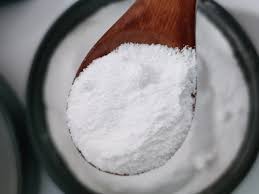
London: New research suggests that consuming high levels of the artificial sweetener sucralose—commonly found in many diet sodas and sugar-free products—may reduce the effectiveness of immunotherapy in certain cancer patients, potentially leading to poorer outcomes.
The findings, recently published in Cancer Discovery, are based on the dietary history of 132 patients with advanced melanoma or non-small cell lung cancer. Researchers observed that those with high intake of sucralose exhibited diminished responses to immunotherapies across various cancer types, stages, and treatment regimens.
The mechanism appears to involve the gut microbiome. In lab experiments with mice, scientists found that sucralose altered the composition of intestinal bacteria, promoting species that break down arginine—an amino acid vital for T cell immune functions. When arginine was depleted, T cells could not operate properly, and immunotherapy was less beneficial in the sucralose-fed mice.
Dr. Abby Overacre, the study’s lead author from the University of Pittsburgh, stated, “When arginine levels were depleted due to sucralose-driven shifts in the microbiome, T cells couldn’t function properly. As a result, immunotherapy wasn’t as effective in mice that were fed sucralose.”
There is potential good news, however. The researchers found that supplementing arginine in mice diets mitigated the negative effects of sucralose on immunotherapy. Dr. Overacre expressed excitement about translating this simple strategy for human patients, noting the challenge of asking patients already undergoing cancer treatment to make substantial dietary changes.
“It’s easy to say, ‘Stop drinking diet soda,’ but when patients are being treated for cancer, they are already dealing with enough… That’s why it’s so exciting that arginine supplementation could be a simple approach,” said Dr. Overacre.
Disclaimer
This article summarizes recent research findings about sucralose and cancer immunotherapy. The study’s results are preliminary, and further clinical trials are required to confirm the safety and efficacy of dietary changes or supplementation during cancer treatment. Patients should consult their healthcare providers before making any changes to diet or treatment plans.